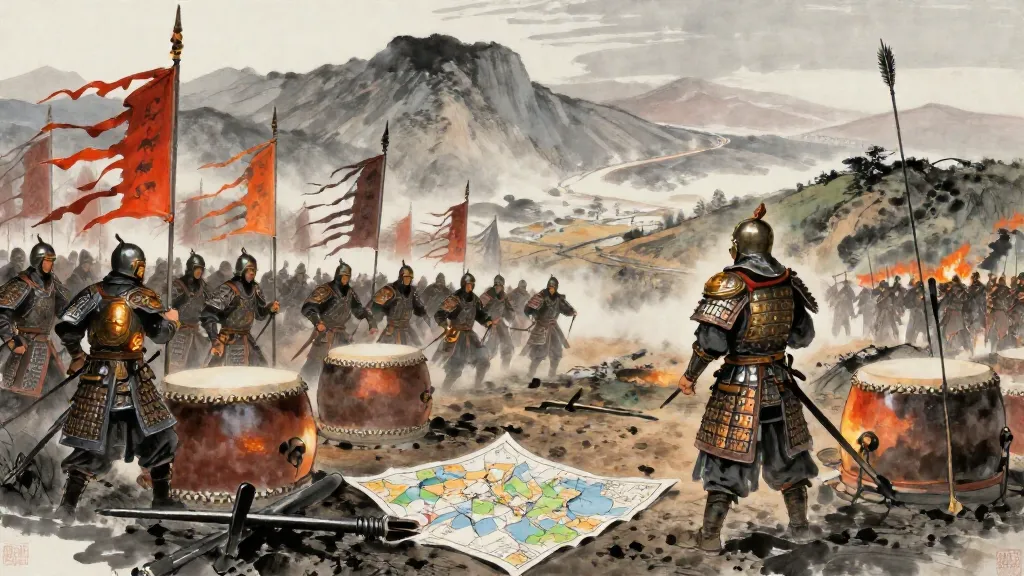
七臣七主 (Seven Ministers, Seven Rulers) — Chinese ink painting

管子 Guanzi · Chapter 52

七臣七主

Seven Ministers, Seven Rulers

View:

申主與惠主

The Discerning Ruler and the Indulgent Ruler

申主:任勢守數以為常,周聽近遠以續明。皆要審則法令固,賞罰必則下服度。不備待而得和,則民反素也。惠主:豐賞厚賜以竭藏,赦奸縱過以傷法。藏竭則主權衰,法傷則奸門闓。

The Discerning Ruler relies on positional power and method as his constants, listens broadly to near and far to continue his clarity. When all matters are carefully examined, laws and commands are firm; when rewards and punishments are certain, those below submit to standards. Without elaborate preparations, harmony is achieved, and the people return to simplicity. The Indulgent Ruler gives lavish rewards and generous gifts until the treasury is empty, pardons criminals and overlooks transgressions until the law is damaged. When the treasury is empty, the ruler's authority declines; when the law is damaged, the gate to villainy is opened wide.

一人之治亂

The Order and Disorder of One Person

故一人之治亂在其心,一國之存亡在其主。天下得失,道一人出。主好本則民好墾草萊,主好貨則人賈市,主好宮室則工匠巧,主好文采則女工靡。

The order or disorder of a single person lies in his heart-mind; the survival or destruction of a state lies in its ruler. The gains and losses of all under heaven proceed from one person. If the ruler values agriculture, the people will eagerly clear wasteland. If the ruler values commerce, the people will flock to the marketplace. If the ruler values palaces, the craftsmen will grow ingenious. If the ruler values fine fabrics, the women workers will produce luxurious goods.

明主六務四禁

The Enlightened Ruler's Six Duties and Four Prohibitions

故明主有六務四禁。六務者何也?一曰節用,二曰賢佐,三曰法度,四曰必誅,五曰天時,六曰地宜。

The enlightened ruler has six duties and four prohibitions. The six duties are: first, frugal expenditure; second, worthy assistants; third, legal standards; fourth, certain punishments; fifth, adherence to heaven's seasons; sixth, suitability to the land.

Edition & Source

Text
《管子》 Guanzi
Edition
《四部叢刊》本
Commentary
Traditional commentaries