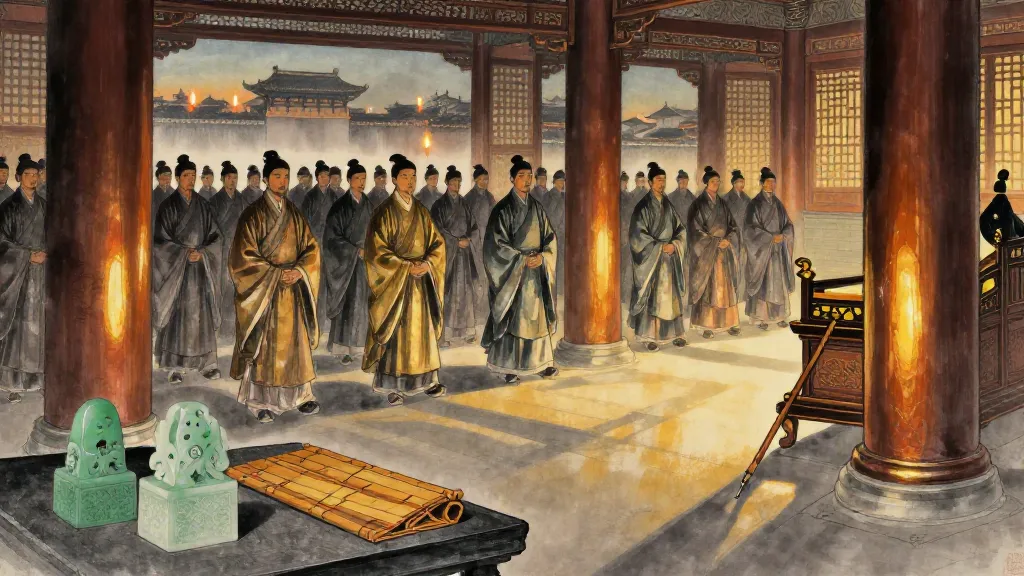
入國 (Entering the State) — Chinese ink painting

管子 Guanzi · Chapter 54

入國

Entering the State

View:

五行九惠之教

The Teaching of Five Practices and Nine Acts of Grace

入國四旬,五行九惠之教。一曰老老,二曰慈幼,三曰恤孤,四曰養疾,五曰合獨,六曰問疾,七曰通窮,八曰振困,九曰接絕。

Within forty days of entering the state, practice the five actions and nine acts of grace. The first is honoring the elderly; the second is nurturing the young; the third is caring for orphans; the fourth is supporting the ill; the fifth is matching the solitary; the sixth is visiting the sick; the seventh is reaching the destitute; the eighth is relieving the distressed; the ninth is continuing broken lineages.

Notes

1context

This chapter describes what may be the earliest known comprehensive social welfare system in world history, with state officials assigned to care for every vulnerable group in society: the elderly, orphans, the disabled, widows, widowers, the sick, and the destitute.

老老與慈幼

Honoring the Elderly and Nurturing the Young

所謂老老者,凡國、都皆有掌老,年七十已上,一子無徵,三月有饋肉;八十已上,二子無徵,月有饋肉;九十已上,盡家無徵,日有酒肉。

What is meant by 'honoring the elderly' is this: in every state and capital there shall be an Official for the Elderly. Those seventy and above — one of their sons is exempt from military service, and every three months they receive a gift of meat. Those eighty and above — two sons are exempt, and every month they receive a gift of meat. Those ninety and above — the entire household is exempt from service, and they receive wine and meat daily.

合獨與通窮

Matching the Solitary and Reaching the Destitute

所謂合獨者,凡國、都皆有掌媒,丈夫無妻曰鰥,婦人無夫曰寡,取鰥寡而合和之,予田宅而家室之,三年然後事之。

What is meant by 'matching the solitary' is this: in every state and capital there shall be an Official Matchmaker. A man without a wife is called a widower; a woman without a husband is called a widow. Take the widowers and widows and match them together; grant them fields and dwellings to establish households — for three years they are exempt from service duties.

Edition & Source

Text
《管子》 Guanzi
Edition
《四部叢刊》本
Commentary
Traditional commentaries