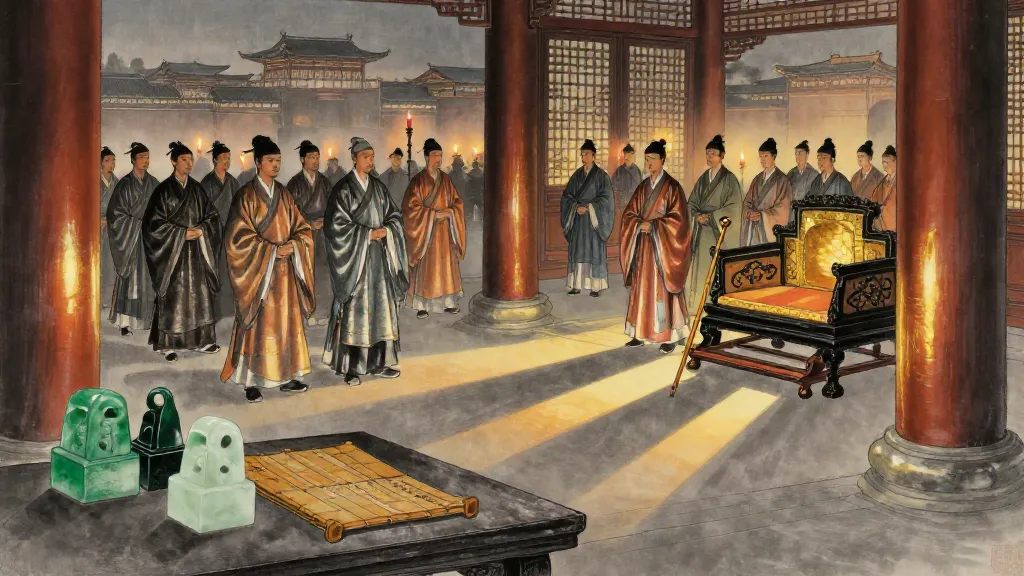
立政九敗解 (Commentary on Nine Failures of Government) — Chinese ink painting

管子 Guanzi · Chapter 65

立政九敗解

Commentary on Nine Failures of Government

View:

寢兵之害

The Harm of Abandoning Arms

人君唯毿聽寢兵,則群臣賓客莫敢言兵。然則內之不知國之冶亂,外之不知諸侯強弱。

When a ruler listens only to arguments for disbanding the military, none of his ministers or guests dare speak of military affairs. Then internally he does not know whether the state is well or poorly governed, and externally he does not know the strength and weakness of the other lords.

兼愛之害

The Harm of Universal Love

人君唯毿聽兼愛之說,則視天下之民如其民,視國如吾國。如是則無並兼攘奪之心,無覆軍敗將之事。然則射御勇力之士不厚祿,覆軍殺將之臣不貴爵。

When a ruler listens only to the doctrine of universal love, he views the people of all under heaven as his own people and other states as his own state. Then he has no desire for annexation or conquest, no deeds of defeating armies and killing generals. Consequently, warriors skilled in archery and chariot driving receive no generous salaries, and ministers who have destroyed armies and captured generals receive no noble ranks.

Notes

1context

This passage is a pointed critique of Mohist 'universal love' (兼愛) doctrine from a Legalist perspective, arguing that pacifist idealism weakens the state's military preparedness and leaves it vulnerable to aggression.

Edition & Source

Text
《管子》 Guanzi
Edition
《四部叢刊》本
Commentary
Traditional commentaries