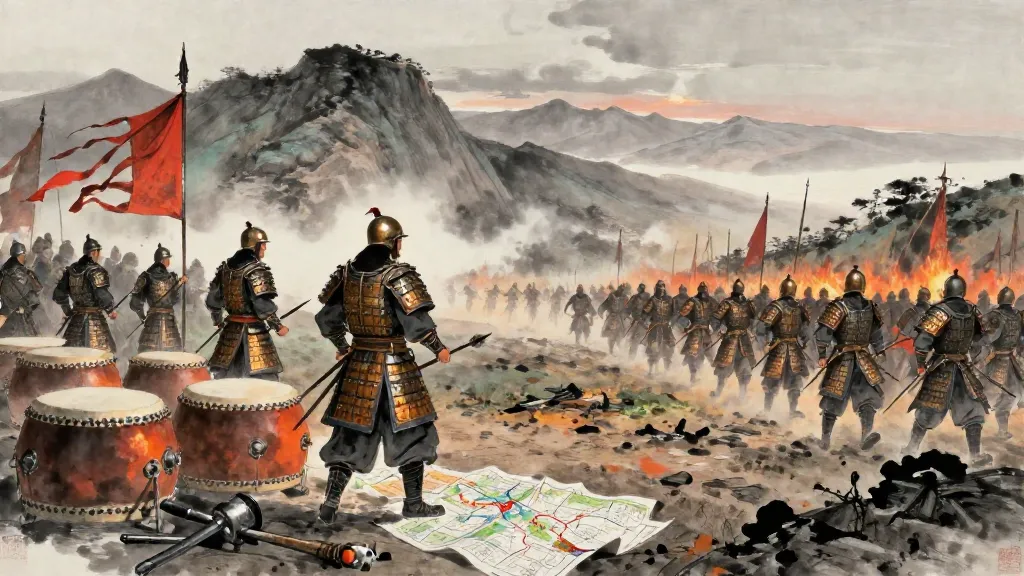
盈虛 (Fullness and Emptiness) — Chinese ink painting

六韜 Liutao · Chapter 2

盈虛

Fullness and Emptiness

View:

治亂之因

The Causes of Order and Disorder

文王問太公曰:「天下熙熙,一盈一虛,一治一亂,所以然者,何也?其君賢不肖不等乎?其天時變化自然乎?」太公曰:「君不肖,則國危而民亂,君賢聖則國安而民治,禍福在君不在天時。」

King Wen asked Taigong: 'The world is bustling and restless — now full, now empty, now ordered, now chaotic. Why is this so? Is it because rulers differ in worthiness? Or is it the natural transformation of heaven's cycles?' Taigong said: 'When the ruler is unworthy, the state is endangered and the people fall into disorder. When the ruler is wise and sagely, the state is secure and the people are well governed. Fortune and misfortune lie with the ruler, not with heaven's cycles.'

帝堯之治

The Government of Emperor Yao

文王曰:「古之賢君可得聞乎?」太公曰:「昔者帝堯之王天下,上世所謂賢君也。」文王曰:「其治如何?」太公曰:「帝堯王天下之時,金銀珠玉不飾,錦繡文綺不衣,奇怪珍異不視,玩好之器不寶,淫佚之樂不聽,宮垣屋室不堊,甍、桷、櫞、楹不斫,茅茨偏庭不剪。鹿裘禦寒,布衣掩形,糲糧之飯,藜藿之羹。不以役作之故,害民耕織之時。削心約志,從事乎無為。吏忠正奉法者,尊其位;廉潔愛人者,厚其祿。民有孝慈者,愛敬之;盡力農桑者,慰勉之。旌別淑慝,表其門閭。平心正節,以法度禁邪偽。所憎者,有功必賞;所愛者,有罪必罰。存養天下鰥、寡、孤、獨,振贍禍亡之家。其自奉也甚薄,共賦役也甚寡。故萬民富樂而無饑寒之色,百姓戴其君如日月,親其君如父母。」文王曰:「大哉,賢君之德也。」

King Wen asked: 'May I hear about the worthy rulers of antiquity?' Taigong said: 'In ancient times, Emperor Yao ruled the world — he was what the ancients called a worthy ruler.' King Wen asked: 'How did he govern?' Taigong said: 'When Emperor Yao ruled the world, he did not adorn himself with gold, silver, pearls, or jade; he did not wear brocade or embroidered silk; he did not gaze upon rare curiosities; he did not treasure objects of amusement; he did not listen to licentious music; he did not plaster his palace walls; the ridgepoles, rafters, pillars, and beams were left uncarved; the thatch in his courtyard was left untrimmed. He wore deerskin to ward off the cold and plain cloth to cover his body. He ate coarse grain and soup of wild greens. He never let forced labor interfere with the people's seasons for plowing and weaving. He pared down his desires and restrained his ambitions, devoting himself to non-interference. Officials who were loyal, upright, and law-abiding were elevated in rank; those who were incorruptible and loved the people received generous stipends. People who were filial and compassionate were honored and cherished; those who devoted themselves to farming and sericulture were comforted and encouraged. He distinguished the virtuous from the wicked and marked their doorways accordingly. With an impartial heart and upright standards, he used laws and regulations to prohibit wickedness and fraud. Those he disliked, if they had merit, he surely rewarded; those he loved, if they had committed offenses, he surely punished. He cared for all the widowers, widows, orphans, and childless elderly in the world, and gave relief to households struck by calamity. His personal expenditure was extremely frugal, and the taxes and labor levies he imposed were extremely light. Therefore the myriad people were prosperous and happy, with no appearance of hunger or cold. The common people revered their lord like the sun and moon, and felt close to him as to a father and mother.' King Wen said: 'How great is the virtue of a worthy ruler!'

Notes

1person帝堯Dì Yáo

Emperor Yao (帝堯, trad. r. 2356–2255 BC) was one of the legendary sage-kings of Chinese antiquity, renowned for his selfless governance and for abdicating the throne to the worthy Shun rather than passing it to his own son.

Edition & Source

Text
《六韜》 Liutao
Edition
中華古詩文古書籍網 transcription
Commentary
Traditional military commentaries