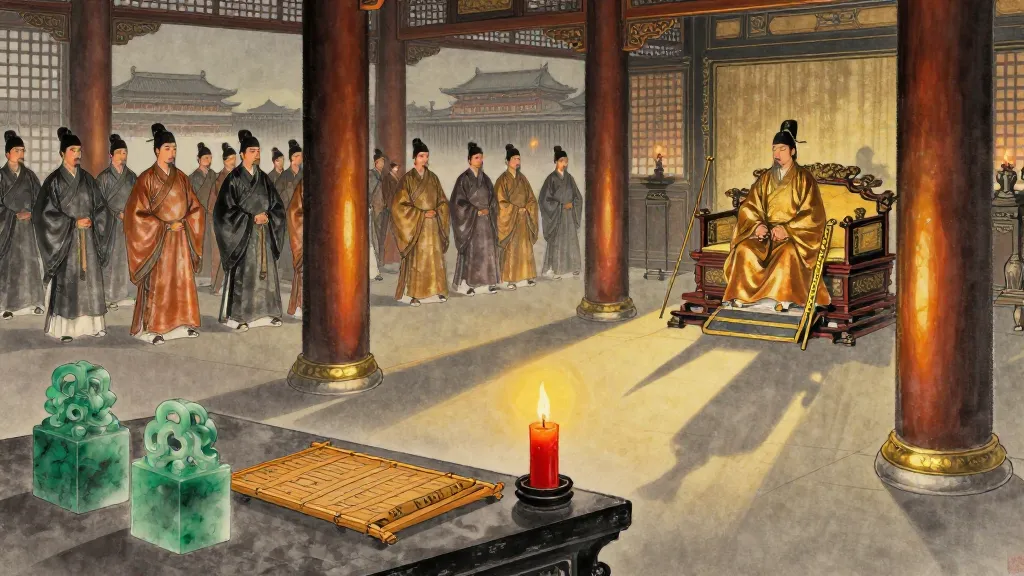
節用(下) (Moderation in Expenditure, Part III) — Chinese ink painting

墨子 Mozi · Chapter 22

節用(下)

Moderation in Expenditure, Part III

View:

仁者為天下度

The Humane Person Plans for the Realm

子墨子言曰:「仁者之為天下度也,辟之無以異乎孝子之為親度也。」今孝子之為親度也,將奈何哉?曰:親貧,則從事乎富之;人民寡,則從事乎眾之;眾亂,則從事乎治之。

Master Mozi said: 'The humane person's planning for the realm is no different from a filial son's planning for his parents.' How does a filial son plan for his parents? He says: if the parents are poor, work to enrich them; if the people are few, work to increase them; if the multitude is in disorder, work to govern them.

厚葬久喪之非

Against Lavish Funerals and Extended Mourning

今唯無以厚葬久喪者為政,國家必貧,人民必寡,刑政必亂。若法若言,行若道:使為上者行此,則不能聽治;使為下者行此,則不能從事。上不聽治,刑政必亂;下不從事,衣食之財必不足。

Now if the policies of lavish funerals and extended mourning are implemented, the state will certainly become poor, the people will certainly become few, and legal administration will certainly fall into chaos. If such rules and words are followed and such practices implemented -- if those above practice this, they cannot attend to governance; if those below practice this, they cannot engage in productive work. When those above do not attend to governance, legal administration will certainly fall into chaos; when those below do not engage in productive work, resources for clothing and food will certainly be insufficient.

堯舜禹之葬法

The Funeral Practices of Yao, Shun, and Yu

子墨子曰:「不然!昔者堯北教乎八狄,道死,葬蛩山之陰,衣衾三領,穀木之棺,葛以緘之,既■而後哭,滿坎無封。已葬,而牛馬乘之。舜西教乎七戎,道死,葬南己之市,衣衾三領,穀木之棺,葛以緘之。已葬,而市人乘之。禹東教乎九夷,道死,葬會稽之山,衣衾三領,桐棺三寸,葛以緘之,絞之不合,通之不坎,土地之深,下毋及泉,上毋通臭。」

Master Mozi said: 'Not so! In the past, Yao traveled north to teach the Eight Di barbarians. He died on the road and was buried on the shady side of Mount Qiong -- with three sets of garments, a coffin of plain wood, bound with kudzu vine. They mourned only after the burial was complete, and the grave was filled level with no mound. After the burial, cattle and horses walked over it. Shun traveled west to teach the Seven Rong barbarians. He died on the road and was buried in the marketplace of Nanji -- with three sets of garments, a coffin of plain wood, bound with kudzu vine. After the burial, the market people walked over it. Yu traveled east to teach the Nine Yi barbarians. He died on the road and was buried on Mount Kuaiji -- with three sets of garments, a paulownia coffin three inches thick, bound with kudzu vine. The wrappings did not fully cover it, the pit was not deep -- deep enough that it did not reach the water table below, and that odors did not escape above.'

不失死生之利

Not Losing the Benefits of Either the Dead or the Living

子墨子制為葬埋之法,曰:「棺三寸,足以朽骨;衣三領,足以朽肉。掘地之深,下無菹漏,氣無發泄於上,壟足以期其所,則止矣。哭往哭來,反,從事乎衣食之財,佴乎祭祀,以致孝於親。」故曰子墨子之法,不失死生之利者此也。

Master Mozi established standards for burial, saying: 'A coffin three inches thick, sufficient for the bones to decay; three sets of garments, sufficient for the flesh to decay. Dig the pit deep enough that there is no seepage below and no odor escaping above; a mound sufficient to mark the location -- then stop. Weep on the way there and weep on the way back, then return to work for clothing and food, and attend to sacrificial offerings to show filial devotion to one's parents.' Therefore it is said that Master Mozi's standards do not lose the benefits of either the dead or the living -- this is what it means.

Edition & Source

Text
《墨子》 Mozi
Edition
《四部叢刊》本
Commentary
Traditional commentaries