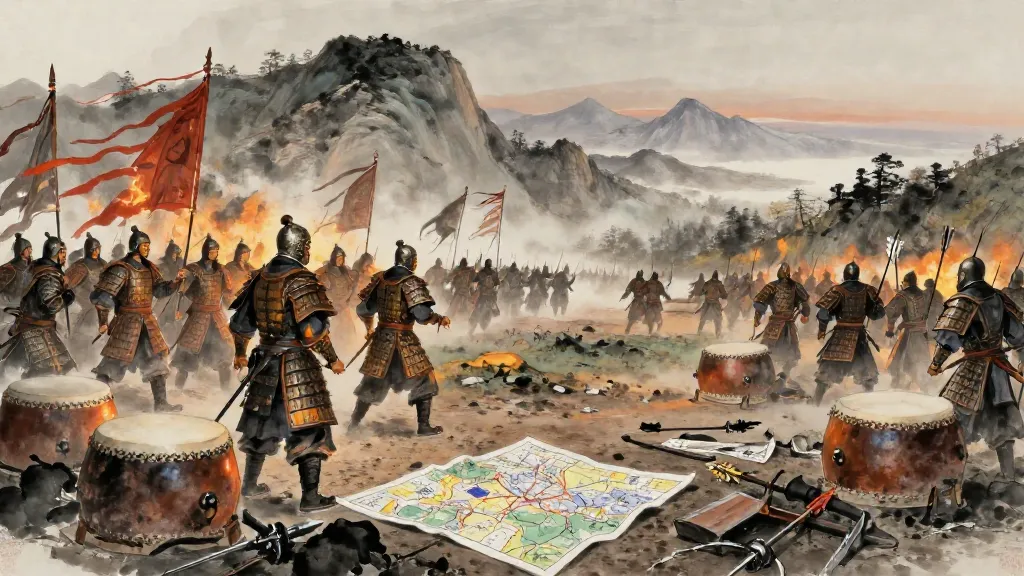
公孟 (Gong Meng) — Chinese ink painting

墨子 Mozi · Chapter 48

公孟

Gong Meng

View:

不扣而鳴

Sounding Without Being Struck

公孟子謂子墨子曰:"君子共己以待,問焉則言,不問焉則止,譬若鍾然,扣則鳴,不扣則不鳴。"墨子曰:"是言有三物焉,子乃今知其一身也,又未知其所謂也。若大人行淫暴於國家,進而諫,則謂之不遜;因左右而獻諫,則謂之言議。此君子之所疑惑也。"

Gong Meng said to Master Mozi: 'A gentleman keeps himself composed and waits. If asked, he speaks; if not asked, he remains silent -- like a bell: strike it and it sounds, do not strike it and it is silent.' Master Mozi said: 'That statement has three flaws, and you only understand one aspect without grasping the full meaning. If a great man acts outrageously in governing the state, and you step forward to remonstrate, they call you presumptuous. If you remonstrate through intermediaries, they call you a gossip. This is the dilemma that perplexes the gentleman.'

Notes

1person公孟子Gong Meng

Gong Meng (公孟子) appears to be a Confucian scholar who engages in extended debate with Mozi across this chapter. The chapter is structured as a series of exchanges refuting Confucian positions.

行不在服

Conduct Does Not Depend on Clothing

子墨子曰:"昔者齊桓公高冠博帶,金劍木盾,以治其國,其國治。昔者晉文公大布之衣,(爿羊)羊之裘,韋以帶劍,以治其國,其國治。昔者楚莊王鮮冠組纓,衣博袍,以治其國,其國治。昔者越王勾踐剪髮文身,以治其國,其國治。此四君者其服不同,其行猶一也。翟以是知行之不在服也。"

Master Mozi said: 'In the past, Duke Huan of Qi wore a tall cap and broad sash, a golden sword and wooden shield, and governed his state well. Duke Wen of Jin wore clothes of coarse cloth, a sheepskin coat, and a leather-belted sword, and governed his state well. King Zhuang of Chu wore a bright cap with braided tassels and a broad robe, and governed his state well. King Goujian of Yue cut his hair and tattooed his body, and governed his state well. These four rulers differed in their dress, yet their conduct was one. From this I know that conduct does not depend on clothing.'

Notes

1person齊桓公、晉文公、楚莊王、越王勾踐Qi Huan Gong, Jin Wen Gong, Chu Zhuang Wang, Yue Wang Goujian

Duke Huan of Qi (齊桓公), Duke Wen of Jin (晉文公), King Zhuang of Chu (楚莊王), and King Goujian of Yue (越王勾踐) are the four famous hegemons (霸) of the Spring and Autumn period.

儒之四政足以喪天下

Four Confucian Doctrines Sufficient to Ruin the World

子墨子謂程子曰:"儒之道足以喪天下者四政焉。儒以天為不明,以鬼為不神,天、鬼不說,此足以喪天下。又厚葬久喪,重為棺槨,多為衣衾,送死若徙,三年哭泣,扶後起,杖後行,耳無聞,目無見,此足以喪天下。又弦歌鼓舞,習為聲樂,此足以喪天下。又以命為有,貧富壽夭,治亂安危有極矣,不可損益也。為上者行之,必不聽治矣;為下者行之,必不從事矣。此足以喪天下。"

Master Mozi said to Cheng Zi: 'The Confucian Way has four policies sufficient to ruin the world. The Confucians treat Heaven as not intelligent and the spirits as not divine -- when Heaven and the spirits are displeased, this is sufficient to ruin the world. They also practice elaborate funerals and extended mourning, with heavy coffins and much burial clothing, sending off the dead as if moving a household, and three years of weeping -- supported from behind to rise, leaning on a staff to walk, ears unable to hear, eyes unable to see. This is sufficient to ruin the world. They also play stringed instruments and sing, drum and dance, and make a practice of music. This is sufficient to ruin the world. They also hold that fate exists: that poverty, wealth, longevity, early death, order, chaos, safety, and danger all have their fixed limits that cannot be changed. If rulers practice this, they will certainly neglect governance; if the common people practice it, they will certainly neglect their work. This is sufficient to ruin the world.'

Edition & Source

Text
《墨子》 Mozi
Edition
中華古詩文古書籍網 transcription, 《四部叢刊》本
Commentary
Mo Di (墨翟) et al., Warring States period