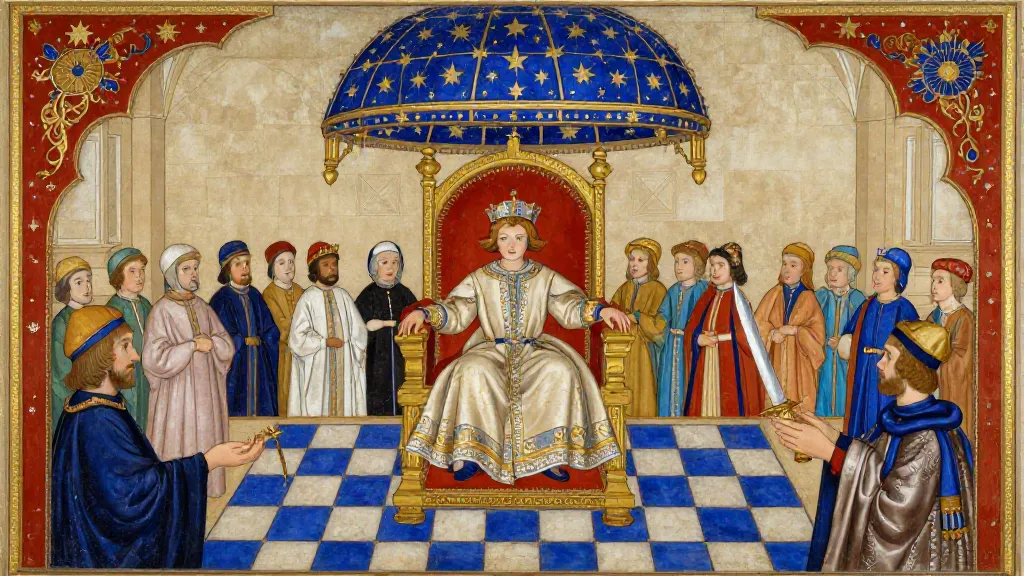
The Reign of Ardeshir Shirui — Persian miniature painting

Shahnameh · Fall of the Sasanians

The Reign of Ardeshir Shirui

پادشاهی اردشیر شیروی

View:

تاجگذاری اردشیر و پیام گراز

Ardeshir's Coronation and the Message of Guraz

چو بنشست بر تخت شاه اردشیر از ایران برفتند برنا و پیر بسی نامداران گشته کهن بدان تا چگونه سرآید سخن زبان برگشاد اردشیر جوان چنین گفت کای کار دیده گوان هر آنکس که برگاه شاهی نشست گشاده زبان باد و یزدان پرست بر آیین شاهان پیشین رویم همان از پس فره و دین رویم ز یزدان نیکی دهش یاد باد همه کار و کردار ما داد باد ستمگارگان را به خون درکشیم بسی کس به گفتارش آرام یافت از آرام او هرکسی کام یافت به پیروز خسرو سپردم سپاه که از داد شادست و شادان ز شاه به ایران چو باشد چنو پهلوان بمانید شادان و روشن روان پس آگاهی به نزد گر از که زو بود خسرو بگرم و گداز فرستاد گوینده‌یی راز روم که در خاک شد تاج شیروی شوم که جانش به دوزخ گرفتار باد سر دخمه‌ی او نگون سار باد که دانست هرگز که سرو بلند به باغ از گیا یافت خواهد گزند چو خسرو که چشم و دل روزگار نبیند چنو نیز یک شهریار چو شیروی را شهریاری دهد همه شهر ایران به خواری دهد چنو رفت شد تاجدار اردشیر بدو شادمان جان برنا و پیر مراگر ز ایران رسد هیچ بهر نخواهم که بروی رسد باد شهر نبودم من آگه که پرویز شاه به گفتار آن بدتنان شد تباه بیایم کنون با سپاهی گران ز روم و ز ایران گزیده سران ببینیم تا کیست این کدخدای که باشد پسندش بدین گونه رای چنان برکنم بیخ او را ز بن کزان پس نراند ز شاهی سخن

When Ardeshir took the throne, nobles young and old came from across Iran — many of them aged and distinguished — to hear what he would say. The young king spoke openly: "Experienced warriors, whoever sits on the throne of kingship should speak freely and worship God. We shall follow the customs of the kings before us, and walk in the path of royal glory and faith. May the grace of God be remembered, and may all our deeds be guided by justice. We shall drag the oppressors through blood."

Many found comfort in his words, and through that comfort, each man got what he desired. He said: "I have entrusted the army to Piruz Khosrow, who rejoices in justice and is loyal to the king. As long as Iran has such a champion, remain joyful and at peace."

Then word reached Guraz — the same man through whom Khosrow Parviz had suffered grief and ruin. He sent a messenger from Roman territory, saying: "The crown of the wretched Shiruyeh has gone to dust — may his soul be trapped in hell, and may his tomb be overturned! Who ever knew that a tall cypress could be harmed by weeds in a garden? Khosrow Parviz was the eye and heart of the age — the world will never see another king like him. When they gave kingship to Shiruyeh, they gave all of Iran over to disgrace. Now that Shiruyeh is gone and Ardeshir wears the crown — with young and old rejoicing in him — if any share of Iran comes to me, I do not want even a breeze from that city to touch his face. I did not know that King Parviz was destroyed by the words of those villains. I shall come now with a great army, chosen commanders from both Rome and Iran. We shall see who this master of the house is, who finds such decisions agreeable. I will tear him out root and branch, so that no one speaks of his kingship again."

Notes

1personاردشیر شیرویArdeshir Shirui

Ardeshir Shirui (Ardashir III) — son of Shiruyeh (Kavad II), a child king. He reigned only briefly, around 628-629 AD. He was the grandson of Khosrow Parviz.

2personپیروز خسروPiruz Khosrow

Piruz Khosrow — the military commander (spahbod) whom Ardeshir entrusted with control of the army. He would betray and murder the young king at the instigation of Guraz.

3personگرازGuraz

Guraz — a Persian nobleman living in exile in Roman (Byzantine) territory. He had been loyal to Khosrow Parviz and held a deep grudge against Shiruyeh's line for the murder of Parviz.

4personخسرو پرویزKhosrow Parviz

Khosrow Parviz (Khosrow II) — the great Sasanian king (r. 590-628 AD), murdered in a coup led by his own son Shiruyeh. His death set off the cascade of succession crises that destroyed the dynasty.

5context

Rome — refers here to the Byzantine (Eastern Roman) Empire, Iran's western neighbor. Persian nobles sometimes took refuge there.

6personشیرویShiruyeh

Shiruyeh (Kavad II) — son and murderer of Khosrow Parviz. He reigned only months before dying of plague. Ardeshir was his son.

نامه‌ی گراز به پیروز خسرو و قتل اردشیر

Guraz's Letter to Piruz Khosrow and the Murder of Ardeshir

نوندی برافگند پویان به راه به نزدیک پیران ایران سپاه دگرگونه آهنگ بدکامه کرد به پیروز خسرو یکی نامه کرد که شد تیره این تخت ساسانیان جهانجوی باید که بندد میان توانی مگر چاره‌یی ساختن ز هرگونه اندیشه انداختن به جویی بسی یار برنا و پیر جهان را بپردازی از اردشیر ازان پس بیابی همه کام خویش شوی ایمن و شاد زارام خویش گر ای دون که این راز بیرون دهی همی خنجر کینه را خون دهی من از روم چندان سپاه آورم که گیتی به چشمت سیاه آورم به ژرفی نگه‌دار گفتار من مبادا که خوار آیدت کار من چو پیروز خسرو چنان نامه دید همه پیش و پس رای خودکامه دید دل روشن نامور شد تباه که تا چون کند بد بدان زادشاه ورا خواندی هر زمان اردشیر که گوینده مردی بد و یادگیر برآسای دستور بودی ورا همان نیز گنجور بودی ورا بیامد شبی تیره گون بار یافت می روشن و چرب گفتار یافت نشسته به ایوان خویش اردشیر تین چند با او ز برنا و پیر چو پیروز خسرو بیامد برش تو گفتی ز گردون برآمد سرش بفرمود تا برکشیدند رود شد ایوان پر از بانگ رود و سرود چو نیمی شب تیره اندرکشید سپهبد می یک منی در کشید شده مست یاران شاه اردشیر نماند ایچ رامشگر و یادگیر بد اندیش یاران او را براند جز از شاه و پیروز خسرو نماند جفا پیشه از پیش خانه بجست لب شاه بگرفت ناگه به دست همی‌داشت تا شد تباه اردشیر

He dispatched a swift rider to the elders of Iran's army. But then he changed his approach — a different scheme for a darker purpose. He wrote a letter to Piruz Khosrow: "The throne of the Sasanians has gone dark. A world-seeker must gird himself for action. Perhaps you can devise a stratagem, and think the matter through from every angle. Gather allies, young and old, and clear the world of Ardeshir. After that, you will have everything you desire, and live safe and content. But if you betray this secret, you feed blood to the dagger of vengeance. I will bring such an army from Rome that the world will go black before your eyes. Consider my words carefully — do not take this affair lightly."

When Piruz Khosrow read that letter, he saw self-interest behind every line, and his bright heart darkened with the question of how to bring harm to the young king. Ardeshir had always kept Piruz close — he was an eloquent and attentive man. He served as both the king's chief counselor and his treasurer.

One dark night, Piruz came to court and found bright wine and smooth conversation. Ardeshir was seated in his own hall with a handful of companions, young and old. When Piruz Khosrow arrived, the king was overjoyed — you would think his head had risen above the heavens. He ordered the musicians to play, and the hall filled with the sound of strings and song. When half the dark night had passed, the general drained a great goblet of wine. The companions of King Ardeshir grew drunk; not a single musician or attendant remained alert. The treacherous one dismissed the king's friends until no one was left but the king and Piruz Khosrow alone.

Then the villain leapt from his place, seized the king's mouth suddenly with his hand, and held him until Ardeshir was dead.

Notes

7context

The murder of Ardeshir — Piruz Khosrow suffocated the young king by holding his mouth shut, after getting all other courtiers drunk and dismissed. A court assassination arranged through conspiracy between an exiled nobleman and the king's own general.

گراز به تیسفون می‌آید

Guraz Rides to Ctesiphon

همه کاخ شد پر ز شمشیر و تیر همه یار پیروز خسرو شدند اگر نو جهانجوی اگر گو بدند هیونی برافگند نزد گر از یکی نامه‌یی نیز با آن دراز فرستاده چون شد به نزدیک او چو خورشید شد جان تاریک اوی بیاورد زان بوم چندان سپاه که بر مور و بر پشه بر بست راه همی‌تاخت چون باد تا طیسفون سپاهش همه دست شسته به خون ز لشکر نیارست دم زد کسی نبد خود دران شهر مردم بسی

The palace filled with swords and arrows. Everyone rallied to Piruz Khosrow — whether they were ambitious warriors or seasoned champions. He sent a swift camel to Guraz with a long letter. When the messenger reached him, Guraz's dark soul lit up like the sun. He brought from that land such an army that it blocked the path of ants and flies, and rode like the wind to Ctesiphon, his soldiers with hands already washed in blood. No one in the army dared breathe a word — there were hardly any people left in that city.

Notes

8context

Ctesiphon (Tisfun/طیسفون) — the Sasanian capital, near modern Baghdad. By this point in the narrative, the city is nearly depopulated from the years of civil war and plague.

Edition & Source

Author
فردوسی (Ferdowsi, c. 977–1010 AD)
Edition
شاهنامه — Wikisource plain edition