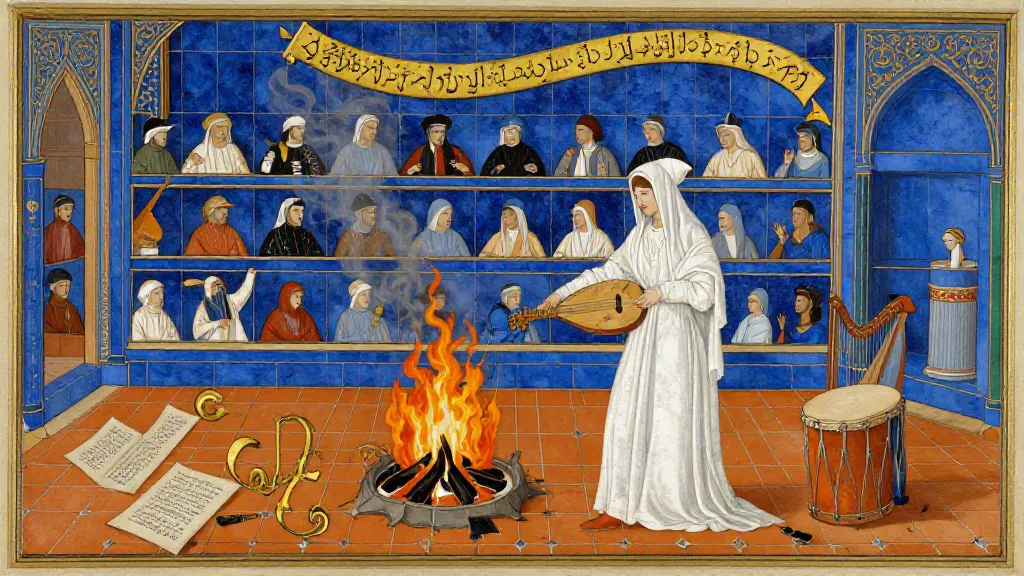
The Reign of Shiruyeh (Part 2) — Persian miniature painting

Shahnameh · Fall of the Sasanians

The Reign of Shiruyeh (Part 2)

پادشاهی شیرویه ۲

View:

پایان سخنان خسرو و بازگشت فرستادگان

Khosrow's Final Words and the Return of the Envoys

جهان را سپردم به نیک و به بد نه آن را که روزی به من بد رسد بسی راه دشوار بگذاشتیم بسی دشمن از پیش برداشتیم همه بومها پر ز گنج منست کجا آب و خاکست رنج منست چو زین گونه بر من سرآید جهان همی تیره گردد امید مهان نماند به فرزند من نیز تخت بگردد ز تخت و سرآیدش بخت فرشته بیاید یکی جان ستان بگویم بدو جانم آسان ستان گذشتن چو بر چینود پل بود به زیر پی اندر همه گل بود به توبه دل راست روشن کنیم بی‌آزاری خویش جوشن کنیم جهاندیده و پاک دانندگان که چون بخت بیدار گیرد نشیب ز هر گونه‌یی دید باید نهیب چو روز بهی بر کسی بگذرد اگر باز خواند ندارد خرد پیام من اینست سوی جهان به نزد کهان و به نزد مهان شما نیز پدرود باشید و شاد ز من نیز بر بد مگیرید یاد چو اشتاد و خراد به رزین گو شنیدند پیغام آن پیش رو به پیکان دل هر دو دانا بخست به سر بر زدند آن زمان هر دو دست ز گفتار هر دو پشیمان شدند به رخسارگان بر تپنچه زدند ببر بر همه جامشان چاک بود سر هر دو دانا پر از خاک بود برفتند گریان ز پیشش به در پر از درد جان و پراندوه سر به نزدیک شیرویه رفت این دو مرد پر آژنگ رخسار و دل پر ز درد یکایک بدادند پیغام شاه به شیروی بی‌مغز و بی‌دستگاه چوبشنید شیروی بگریست سخت دلش گشت ترسان ازان تاج وتخت

"I surrendered the world, for good and ill -- not so that evil should one day befall me. We traversed many hard roads. We swept many enemies from our path. Every land is full of my treasure. Wherever there is water and soil, there is my labor. When the world comes to its end for me in this fashion, the hopes of the great grow dark. The throne will not remain for my children either; fortune will turn, and their luck will run out."

"When the angel of death, the soul-taker, comes, I will say to him: take my soul gently. For the crossing over the Chinvad Bridge is all mire beneath one's feet. Let us brighten our upright hearts with repentance and make our harmlessness a coat of mail."

"The wise and knowing men of the world understand: when waking fortune takes a fall, one must expect fear from every side. When a man's good days have passed, it does him no good to call them back. This is my message to the world, to the low and to the great. Farewell to you as well -- be happy, and do not remember me only for the bad."

When Ashtad and Khorrad Borzin the warrior heard the message of that foremost of kings, their hearts were pierced as by arrowheads. They struck their hands upon their heads in grief. Both sages were filled with remorse for their own words. They struck their cheeks with their palms. The garments on their chests were torn, and the heads of both wise men were covered in dust. They went out weeping from his presence, their souls full of pain and their minds full of anguish.

The two men went before Shiruyeh, their faces wrinkled and their hearts heavy with grief. They delivered the king's message, point by point, to that brainless and powerless Shiruyeh. When Shiruyeh heard it he wept bitterly. His heart grew fearful of the crown and throne.

Notes

1context

Chinvad Bridge (چینود پل), in Zoroastrian eschatology, the bridge of judgment that all souls must cross after death. It widens for the righteous and narrows to a blade's edge for the wicked.

2personاشتادAshtad

Ashtad (اشتاد), one of the two sages sent as envoys to Khosrow.

3personخراد برزینKhorrad Borzin

Khorrad Borzin (خراد برزین), the second sage-envoy.

توطئه‌گران و شیرین در سوگ خسرو

The Conspirators Press Shiruyeh and Shirin's Lament

چوازپیش برخاستند آن گروه که او راهمی‌داشتندی ستوه به گفتار زشت و به خون پدر جوان را همی‌سوختندی جگر فرود آمد از تخت شاهی قباد دودست گرامی به سر برنهاد ز مژگان همی بر برش خون چکید چو آگاهی او به دشمن رسید چوبرزد سرازتیره کوه آفتاب بد اندیش را سر بر آمد ز خواب برفتند یکسر سوی بارگاه چو بشنید بنشست برگاه شاه برفتند گردنکشان پیش او ز گردان بیگانه و خویش او نشستند با روی کرده دژم زبانش نجنبید بر بیش و کم بدانست کایشان بدانسان دژم نشسته چرایند بادرد وغم بدیشان چنین گفت کان شهریار کجا باشد از پشت پروردگار که غمگین نباشد به درد پدر نخوانمش جز بد تن و بد گهر نباید که دارد بدو کس امید که او پوده‌تر باشد از پوده بید چنین یافت پاسخ زمرد گناه که هرکس که گوید پرستم دو شاه تو او رابه دل نا هشیوار خوان وگر ارجمندی بود خوار خوان چنین داد شیروی پاسخ که شاه چوبی گنج باشد نیرزد سپاه سخن خوب را نیم یک ماه نیز ز راه درشتی نگوییم چیز مگر شاد باشیم ز اندرز او که گنجست سرتاسر این مرز او چو پاسخ شنیدند برخاستند سوی خانه‌ها رفتن آراستند به خوالیگران شاه شیروی گفت که چیزی ز خسرو نباید نهفت به پیشش همه خوان زرین نهید خورشها بر و چرب و شیرین نهید برنده همی‌برد و خسرو نخورد ز چیزی که دیدی بخوان گرم و سرد همه خوردش از دست شیرین بدی که شیرین بخوردنش غمگین بدی کنون شیرین بار بد گوش دار سر مهتران رابه آغوش دار چو آگاه شد بار بد زانک شاه به پرداخت بی داد و بی‌کام گاه ز جهرم بیامد سوی طیسفون پر از آب مژگان و دل پر ز خون بیامد بدان خانه او را بدید شده لعل رخسار او شنبلید زمانی همی‌بود در پیش شاه خروشان بیامد سوی بارگاه همی پهلوانی برو مویه کرد دو رخساره زرد و دلی پر ز درد چنان بد که زاریش بشنید شاه همان کس کجا داشت او را نگاه نگهبان که بودند گریان شدند چو بر آتش مهر بریان شدند همی‌گفت الایا ردا خسروا کجات آن همه بزرگی و آن دستگاه کجات آن همه فرو تخت وکلاه کجات آن همه برز وبالا وتاج کجات آن همه یاره وتخت عاج کجات آن همه مردی و زور و فر جهان راهمی‌داشتی زیر پر کجا آن شبستان و رامشگران کجا آن بر و بارگاه سران کجا افسر و کاویانی درفش کجا آن همه تیغهای بنفش کجا آن دلیران جنگ آوران کجا آن رد و موبد و مهتران کجا آن همه بزم وساز شکار کجا آن خرامیدن کارزار کجا آن غلامان زرین کمر کجا آن همه رای وآیین وفر کجا آن سرافراز جان و سپار که با تخت زر بود و با گوشوار کجا آن همه لشکر و بوم و بر کجا آن سرافرازی و تخت زر کجا آن سرخود و زرین زره ز گوهر فگنده گره بر گره کجا اسپ شبدیز و زرین رکیب که زیر تو اندر بدی ناشکیب کجا آن سواران زرین ستام که دشمن بدی تیغشان رانیام کجا آن همه رازوان بخردی کجا آن همه فره ایزدی کجا آن همه بخشش روز بزم کجا آن همه کوشش روز رزم کجا آن همه راهوار استران عماری زرین و فرمانبران هیونان و بالا وپیل سپید همه گشته از جان تو ناامید کجاآن سخنها به شیرین زبان کجا آن دل و رای و روشن روان ز هر چیز تنها چرا ماندی ز دفتر چنین روز کی خواندی مبادا که گستاخ باشی به دهر که زهرش فزون آمد از پای زهر پسر خواستی تابود یار و پشت کنون از پسر رنجت آمد به مشت ز فرزند شاهان به نیرو شوند ز رنج زمانه بی آهو شوند شهنشاه را چونک نیرو بکاست چو بالای فرزند او گشت راست هر آنکس که او کار خسرو شنود به گیتی نبایدش گستاخ بود همه بوم ایران تو ویران شمر کنام پلنگان و شیران شمر سر تخم ساسانیان بود شاه که چون اونبیند دگر تاج و گاه شد این تخمه‌ی ویران و ایران همان برآمد همه کامه‌ی بدگمان فزون زین نباشد کسی را سپاه ز لشکر که آمدش فریادخواه گزند آمد از پاسبان بزرگ کنون اندر آید سوی رخنه گرگ نباشد سپاه تو هم پایدار چو برخیزد از چار سو کار زار روان تو را دادگر یار باد سر بد سگالان نگونسار باد به یزدان و نام تو ای شهریار به نوروز و مهر و بخرم بهار که گر دست من زین سپس نیز رود بساید مبادا به من بر درود بسوزم همه آلت خویش را بدان تا نبینم بداندیش را ببرید هر چارانگشت خویش بریده همی‌داشت در مشت خویش چو در خانه شد آتشی بر فروخت همه آلت خویش یکسر بسوخت هر آنکس که بد کرد با شهریار شب و روز ترسان بد از روزگار چو شیروی ترسنده و خام بود همان تخت پیش اندرش دام بود بدانست اختر شمر هرک دید که روز بزرگان نخواهد رسید

But when that faction rose from before him -- those who had been wearing him down with their talk, goading the young man with ugly words and his father's blood -- Qobad descended from the royal throne and placed both precious hands upon his head. Blood dripped from his eyelashes onto his breast. When word of his anguish reached his enemies, and the sun raised its head above the dark mountain, the ill-wishers woke from sleep. They went as one body to the court. When the king heard, he took his seat upon the throne. The proud nobles came before him -- strangers and kinsmen from among the warriors. They sat with darkened faces, and his tongue did not stir to address them.

He understood why they sat so grimly, heavy with pain and sorrow. He said to them: "Any king who comes from his forefathers' line and does not grieve for his father's suffering -- I would call him nothing but base-born and vile. No one should put hope in such a man, for he is more rotten than rotten wood."

He received this answer from a man of ill intent: "Whoever claims to serve two kings at once -- call him unwise at heart, and if he holds rank, call him worthless." Shiruyeh answered: "When a king is without treasure, his army is worth nothing. For a good half-month more, let us speak no harsh words. Perhaps we will find comfort in his counsel, for this entire realm is his treasure."

When they heard the answer, they rose and made for their homes. Shiruyeh spoke to the cooks: "Nothing must be withheld from Khosrow. Set before him golden trays, with rich and sweet foods upon them." But the servants carried the food in and Khosrow would not eat -- not anything they brought, hot or cold. All his nourishment came from Shirin's hand alone, and Shirin grieved at having to feed him.

Now hear the tale of Shirin's sorrow. Hold the heads of the great men close.

When Shirin heard the news that the king had given up the throne without justice and without will, she came from Jahrom to Ctesiphon, her eyes brimming and her heart full of blood. She came to his chamber and saw him there -- his bright cheeks turned to the pallor of saffron. She stood awhile before the king, then went crying toward the court. She lamented like a warrior, her cheeks sallow and her heart full of pain.

Her wailing was such that it reached the king's ears, and even those who stood guard over him -- the watchmen themselves -- broke into tears, as though they were roasting on the fire of love. She kept crying out: "O noble one! O king! Where is all your greatness, all your might? Where is your glory and your throne and crown? Where is your stature and your height and your diadem? Where are your bracelets and your ivory throne? Where is your manhood and your strength and your royal splendor? You held the world beneath your wing. Where is the harem and the musicians? Where are the courts of the lords? Where is the royal crest and the Kaviani banner? Where are all those violet-dark swords? Where are the brave battle-seekers? Where are the nobles, the priests, the lords? Where are the feasts and the spectacle of the hunt? Where is the proud stride of war? Where are the golden-belted pages? Where is all the wisdom, the custom, the glory? Where are the proud warriors who laid down their lives, who sat on golden thrones and wore jeweled earrings? Where are all the armies and the lands? Where is all the exaltation and the golden throne? Where is the helmet-crown and golden mail, jeweled link upon link? Where is Shabdiz the horse with golden stirrups, who could not bear to stand still beneath you? Where are the horsemen with golden bridles, whose swords the enemy dared not sheathe? Where is all that wise counsel? Where is all that divine glory? Where is all that giving on feast-days? Where is all that striving on battle-days? Where are all those smooth-gaited mules, the golden litters and the obedient servants? The war-elephants, the tall steeds, the white elephants -- all now bereft of hope in you. Where are those words spoken with sweet tongue? Where is that heart, that judgment, that bright spirit? Of all things, why have you been left alone? In what book did you ever read of such a day?"

"Let no one grow bold before fate, for its poison exceeds the venom of the serpent. You wanted a son to be your ally and your support -- now from your son comes your ruin. Through their sons, kings gain power and escape the torments of the age. But when the great king's strength waned and his son's stature grew tall -- whoever hears the story of Khosrow should never be complacent before the world. Consider all the land of Iran destroyed, a lair of leopards and lions. The king was the head of the Sasanian line, for none like him shall see the crown and throne again. This lineage is ruined, and Iran with it. The desire of every ill-wisher has been fulfilled. No one will ever command such an army again, nor so many who came to him seeking deliverance. Harm came from the very man set as his guard. Now the wolf will enter through the breach. Your army too will not endure when war rises from every quarter."

"May the Just One be the ally of your soul. May the heads of the ill-wishers be cast down. By God and by your name, O king -- by Nowruz, by Mehr, by the green of spring -- if henceforth my hand should so much as touch a stringed instrument, may no blessing ever fall on me again." She burned all her instruments. She cut off all four of her fingers and held the severed digits in her fist. When she went inside, she lit a fire and burned every piece of her musical equipment, so that she would never again lay eyes on anything that belonged to her enemies.

Everyone who had wronged the king now lived in terror day and night. For Shiruyeh was fearful and raw, and the throne before him was a trap. Every astrologer who cast a chart could see that the days of the great would not return.

Notes

4personشیرویهShiruyeh

Shiruyeh (شیرویه), Kavad II, who overthrew his father Khosrow Parviz.

5personقبادQobad

Qobad (قباد), Shiruyeh's throne name.

6personخسروKhosrow

Khosrow (خسرو), Khosrow II Parviz, the deposed and imprisoned king.

7personشیرینShirin

Shirin (شیرین), Khosrow's beloved queen, famed in Persian literature for her devotion.

8placeجهرمJahrom

Jahrom (جهرم), a city in Fars province, southern Iran.

9placeطیسفونCtesiphon

Ctesiphon (طیسفون), the Sasanian imperial capital.

10context

The Kaviani banner (درفش کاویانی), the legendary royal standard of Iran, said to originate from the blacksmith Kaveh's leather apron raised against the tyrant Zahhak.

11personشبدیزShabdiz

Shabdiz (شبدیز), Khosrow Parviz's legendary black horse, one of the most famous steeds in Persian literature.

12context

Sasanian (ساسانیان), the last pre-Islamic Persian dynasty (224-651 AD). Khosrow II was among its final great kings.

13context

Shirin cuts off her fingers -- a dramatic act of self-mutilation to ensure she will never play music again, as an expression of absolute grief.

قتل خسرو پرویز

The Assassination of Khosrow Parviz

برفتند هرکس که بد کرده بود بدان کار تاب اندر آورده بود ز درگاه یکسر به نزد قباد از آن کار تاب بیداد کردند یاد که یک بار گفتیم و این دیگرست تو را خود جزین داوری درسرست نشسته به یک شهر بی بر دو شاه یکی گاه دارد یکی زیرگاه چو خویشی فزاید پدر با پسر همه بندگان راببرند سر نییم اندرین کار همداستان مزن زین سپس پیش ما داستان بترسید شیروی و ترسنده بود که در چنگ ایشان یکی بنده بود چنین داد پاسخ که سرسوی دام نیارد مگر مردم زشت نام شما را سوی خانه باید شدن بران آرزو رای باید زدن به جویید تا کیست اندر جهان که این رنج برماسرآرد نهان کشنده همی‌جست بدخواه شاه بدان تا کنندش نهانی تباه کس اندر جهان زهره‌ی آن نداشت زمردی همان بهره‌ی آن نداشت که خون چنان خسروی ریختی همی‌کوه در گردن آویختی ز هر سو همی‌جست بدخواه شاه چنین تا بدیدند مردی به راه دو چشمش کبود و در خساره زرد تنی خشک و پر موی و رخ لاژورد پر از خاک پای و شکم گرسنه تن مرد بیدادگر برهنه ندانست کس نام او در جهان میان کهان و میان مهان بر زاد فرخ شد این مرد زشت که هرگز مبیناد خرم بهشت بدو گفت کاین رزم کارمنست چو سیرم کنی این شکار منست بدو گفت روگر توانی بکن وزین بیش مگشای لب بر سخن یکی کیسه دینار دادم تو را چو فرزند او یار دادم تو را یکی خنجری تیز دادش چوآب بیامد کشنده سبک پرشتاب چو آن بدکنش رفت نزدیک شاه ورا دیده پابند در پیش گاه به لرزید خسرو چو او را بدید سرشکش ز مژگان به رخ برچکید بدو گفت کای زشت نام تو چیست که زاینده را برت و باید گریست مرا مهر هرمزد خوانند گفت غریبم بدین شهر بی‌یار و جفت چنین گفت خسرو که آمد زمان به مردم نماند همی‌چهراو به گیتی نجوید کسی مهر او یکی ریدکی پیش او بد بپای بریدک چنین گفت کای رهنمای بروتشت آب آر و مشک و عبیر یکی پاک ترجامه‌ی دلپذیر پرستنده بشنید آواز اوی ندانست کودک همی رازاوی ز پیشش بیامد پرستار خرد یکی تشت زرین بر شاه برد ابا جامه و آبدستان وآب همی‌کرد خسرو ببردن شتاب چو برسم بدید اندر آمد بواژ نه گاه سخن بود و گفتار ژاژ چو آن جامه‌ها را بپوشید شاه به زمزم همی توبه کرد از گناه یکی چادر نو به سر در کشید بدان تا رخ جان ستان راندید بشد مهر هرمزد خنجر بدست در خانه‌ی پادشا راببست سبک رفت و جامه ازو در کشید جگرگاه شاه جهان بر درید بپیچید و بر زد یکی سرد باد به زاری بران جامه بر جان بداد برین گونه گردد جهان جهان همی راز خویش از تو دارد نهان سخن سنج بی‌رنج گر مرد لاف نبیند ز کردار او جز گزاف اگر گنج داری و گر گرم ورنج نمانی همی در سرای سپنج بی‌آزاری و راستی برگزین چو خواهی که یابی به داد آفرین

Those who had committed evil, who had stoked the fire of this affair, went from the court as one body to Qobad and reminded him of the unfinished injustice: "We said it once, and this is the second time. You have quite another judgment in mind. Two kings seated in one city -- one holding court, one cast below -- when kinship between father and son grows warm, they will cut the heads off every one of us servants. We will not consent to this. Do not spin any more tales before us."

Shiruyeh was afraid -- and fearful he already was, for he was in their clutches, a mere slave. He gave this answer: "Only a man of ill fame brings his head toward the snare. You should go home and deliberate on a plan as you see fit. Find someone in the world who will bring this trouble to an end for us in secret."

The king's enemies went seeking an assassin to destroy him in secret. No one in the world had the courage for it -- none had the manhood either -- for shedding the blood of such a king would be like hanging a mountain from one's neck. From every direction the ill-wishers searched, until at last they found a man on the road: his eyes blue, his cheeks sallow, his body gaunt and hairy, his face the color of lapis. His feet were caked in dust, his belly empty, his wicked body naked. No one in the world knew his name, neither among the low nor among the great.

This ugly wretch went to Zad-Farrokh -- may he never see the green of paradise -- and said: "This battle is my business. Feed me, and this prey is mine." Zad-Farrokh told him: "Go -- do it if you can, and speak no more of it." He gave him a purse of gold coins and said: "I give you to him as his son's companion." He gave him a razor-sharp dagger, wet as water. The killer took it and went in haste.

When the villain came near the king and saw him shackled and fettered before the gate, Khosrow trembled when he caught sight of him. Tears fell from his lashes to his cheeks. He said to the man: "O ugly one, what is your name? The woman who bore you should weep for you." The man said: "They call me Mehr-Hormizd. I am a stranger in this city, without companion or ally."

Khosrow said: "The hour has come. He no longer looks human to anyone. No one in the world seeks his love." A young page stood before him. Khosrow said to the boy: "Go, bring a basin of water, and musk and ambergris, and a clean, pleasing garment." The servant heard his voice but did not understand the king's secret purpose. The young attendant went out and brought a golden basin before the king, with garments and a ewer and water. Khosrow made haste to prepare himself.

When he saw the barsom, he began to recite the sacred words -- it was no time for talk or idle speech. When the king had put on the garments, he murmured prayers of repentance for his sins. He drew a fresh cloth over his head so that he would not see the face of the soul-taker.

Mehr-Hormizd came forward, dagger in hand. He locked the door of the king's chamber. Swiftly he went and tore the cloth away and ripped open the belly of the king of the world. Khosrow writhed and heaved one cold sigh. In agony, upon that garment, he gave up his life.

So turns the world upon itself, keeping its secrets ever hidden from you. The word-weigher who has only boasts and nothing else will see from his deeds nothing but ruin. Whether you have treasure or toil and heat, you will not remain in this transient house. Choose harmlessness and uprightness if you wish to receive the blessing of justice.

Notes

14personزاد فرخZad-Farrokh

Zad-Farrokh (زاد فرخ), a courtier who arranged the assassination of Khosrow. Earlier in Part 1, Khosrow had named him as a witness to his generosity toward the Romans -- a bitter irony.

15personمهر هرمزدMehr-Hormizd

Mehr-Hormizd (مهر هرمزد), the name of the assassin who killed Khosrow Parviz. The name ironically means "Love of Hormizd/Ahura Mazda."

16context

Barsom (برسم), a bundle of sacred twigs held during Zoroastrian prayer rituals. Khosrow's final act is to perform the sacred rites before his death.

کشتار شاهزادگان و داستان شیرین و شیرویه

The Slaughter of the Princes and Shirin's Confrontation with Shiruyeh

چو آگاهی آمد به بازار و راه که خسرو بران گونه برشد تباه همه بدگمانان به زندان شدند به ایوان آن مستمندان شدند گرامی ده و پنج فرزند بود به ایوان شاه آنک دربند بود به زندان بکشتندشان بی‌گناه بدانگه که برگشته شد بخت شاه جهاندار چیزی نیارست گفت همی‌داشت آن انده اندر نهفت چو بشنید شیرویه چندی گریست از آن پس نگهبان فرستاد بیست بدان تا زن و کودکانشان نگاه بدارد پس از مرگ آن کشته شاه شد آن پادشاهی و چندان سپاه بزرگی و مردی و آن دستگاه که کس را ز شاهنشهان آن نبود نه از نامداران پیشین شنود یکی گشت با آنک نانی فراخ نیابد نبیند برو بوم و کاخ خردمند گوید نیارد بها هر آنکس که ایمن شد از اژدها جهان رامخوان جز دلاور نهنگ بخاید به دندان چو گیرد به چنگ سرآمد کنون کار پرویز شاه شد آن نامور تخت و گنج و سپاه چو آوردم این روز خسرو ببن ز شیروی و شیرین گشایم سخن چو پنجاه و سه روز بگذشت زین که شد کشته آن شاه با آفرین به شیرین فرستاد شیروی کس که ای نره جادوی بی‌دست رس همه جادویی دانی و بدخویی به ایران گنکار ترکس تویی به تنبل همی‌داشتی شاه را به چاره فرود آوری ماه را بترس ای گنهکار و نزد من آی به ایوان چنین شاد و ایمن مپای برآشفت شیرین ز پیغام او وزان پرگنه زشت دشنام او چنین گفت کنکس که خون پدر بریزد مباداش بالا وبر نبینم من آن بدکنش راز دور نه هنگام ماتم نه هنگام سور دبیری بیاورد انده بری همان ساخته پهلوی دفتری بدان مرد داننده اندرز کرد همه خواسته پیش او ارز کرد همی‌داشت لختی به صندوق زهر که زهرش نبایست جستن به شهر همی‌داشت آن زهر با خویشتن همی‌دوخت سرو چمن را کفن فرستاد پاسخ به شیروی باز که ای تاجور شاه گردن فراز سخنها که گفتی تو برگست و باد دل و جان آن بدکنش پست باد کجا در جهان جادویی جز بنام شنو دست و بو دست زان شادکام وگر شاه ازین رسم و اندازه بود که رای وی از جادوی تازه بود که جادو بدی کس به مشکوی شاه به دیده به دیدی همان روی شاه مرا از پی فرخی داشتی که شبگیر چون چشم بگماشتی ز مشکوی زرین مرا خواستی به دیدار من جان بیاراستی ز گفتار چونین سخن شرم دار چه بندی سخن کژ بر شهریار ز دادار نیکی دهش یاد کن به پیش کس اندر مگو این سخن ببردند پاسخ به نزدیک شاه بر آشفت شیروی زان بیگناه چنین گفت کز آمدن چاره نیست چو تو در زمانه سخن خواره نیست چو بشنید شیرین پراز درد شد بپیچید و رنگ رخش زرد شد چنین داد پاسخ که نزد تو من نیایم مگر با یکی انجمن که باشند پیش تو دانندگان جهاندیده و چیز خوانندگان فرستاد شیروی پنجاه مرد بیاورد داننده و سالخورد وزان پس بشیرین فرستاد کس که برخیز و پیش آی و گفتار بس چو شیرین شنید آن کبود و سیاه بپوشید و آمد به نزدیک شاه بشد تیز تا گلشن شادگان که با جای گوینده آزادگان نشست از پس پرده‌یی پادشا چناچون بود مردم پارسا به نزدیک او کس فرستاد شاه که از سوک خسرو برآمد دو ماه کنون جفت من باش تا برخوری بدان تا سوی کهتری ننگری بدارم تو را هم بسان پدر وزان نیز نامی‌تر و خوب‌تر

When the news reached the streets and the roads that Khosrow had perished in that fashion, the ill-wishers went to the prison and entered the palace of the wretched captives. Fifteen of Khosrow's beloved sons were held in bonds in the king's palace. They slaughtered them in the prison without guilt, at the very hour when the king's fortune had turned. The world-lord dared not speak a word of it. He kept that grief locked inside.

When Shiruyeh heard, he wept for a time, then sent twenty guards to watch over the women and children, so that after the death of the slain king they might be kept safe. Thus passed that sovereignty, and all that army, that greatness, that manhood, and that might -- such as no king of kings had ever possessed, nor had been heard of among the famous men of old. In the end, the man who once held all of it became equal to one who cannot find a crust of bread and never sees a homeland or a palace.

The wise man says: no man should feel safe from the dragon. Call the world nothing but a bold crocodile -- it gnaws with its teeth whatever it clutches.

So ends the story of Parviz the king. Gone is that famed throne, that treasure, and that army.

Now that I have brought the days of Khosrow to their close, I open the tale of Shiruyeh and Shirin.

Fifty-three days had passed since the anointed king was slain. Shiruyeh sent a messenger to Shirin, saying: "O brazen sorceress without resource! You know nothing but sorcery and ill temper. In all Iran, no one is more guilty than you. By your spells you held the king in thrall. By your wiles you would pull the moon itself from the sky. Be afraid, O sinner, and come before me. Do not sit so content and safe in your palace."

Shirin flew into a rage at his message and his filthy, sinful insults. She said: "May the man who sheds his father's blood never know stature or prosperity. I will not see that evildoer, not from afar -- not in mourning and not in celebration." She summoned a scribe who could ease her grief, and a Pahlavi ledger already prepared. To that learned man she gave her instructions, and she assessed the full value of all her possessions. She had kept a quantity of poison in a box -- a poison so deadly it need not be sought in any city. She kept the poison on her person and began sewing a shroud for the tall cypress of her body.

She sent her answer back to Shiruyeh: "O crowned king, proud and tall -- every word you spoke was leaves and wind. May the heart and soul of that evildoer be crushed. Where in the world is there sorcery except in name? Ask around -- you will hear as much from any satisfied man. And if the king was of such a nature that his judgment was refreshed by magic, then whoever practiced sorcery in the king's own harem would have been seen by you looking upon the king's own face. The king kept me for the sake of good fortune, for at first light when he opened his eyes he would summon me from the golden harem and adorn his soul with the sight of me. Be ashamed of speaking such words. Why do you tie lies together before the king? Remember God, the giver of good, and do not say such things in anyone's presence."

They brought the answer to the king, and Shiruyeh flew into a rage at the innocent woman. He said: "There is no escaping a visit to me. No one in the world swallows words the way you do." When Shirin heard, she was filled with pain. She twisted in anguish and her face went pale. She gave this answer: "I will not come before you unless an assembly is present -- learned men, worldly-wise, who can read character and intention." Shiruyeh sent fifty men and brought together the aged and the learned.

After that he sent another messenger to Shirin: "Rise and come. Enough talk." When Shirin heard, she put on blue and black and went before the king. She went straight to the Rose Garden of Shadgan, where the orators and noblemen sat. The king took his seat behind a curtain, in the manner of a pious man.

He sent someone to her with this message: "Two months have passed since the mourning for Khosrow. Now be my consort, and enjoy what the world offers, so that you need never look toward any lesser man. I will keep you just as my father did -- and more honored, and more favored still."

Notes

17placeگلشن شادگانRose Garden of Shadgan

The Rose Garden of Shadgan (گلشن شادگان), a royal garden used as a formal audience hall.

شیرین در گلشن شادگان — دفاع و مرگ

Shirin at the Rose Garden — Her Defense and Death

بدو گفت شیرین که دادم نخست بده وانگهی جان من پیش تست وزان پس نیاسایم از پاسخت ز فرمان و رای و دل فرخت بدان گشت شیروی همداستان که برگوید آن خوب رخ داستان زن مهتر از پرده آواز داد که ای شاه پیروز بادی و شاد تو گفتی که من بد تن و جادوام ز پا کی و از راستی یک سوام بدو گفت که شیرویه بود این چنین ز تیزی جوانان نگیرند کین چنین گفت شیرین به آزادگان که بودند در گلشن شادگان چه دیدید ازمن شما از بدی ز تاری و کژی و نابخردی بسی سال بانوی ایران بدم بهر کار پشت دلیران بدم نجستم همیشه جز از راستی ز من دور بد کژی وکاستی بسی کس به گفتار من شهر یافت ز هر گونه‌یی از جهان بهر یافت به ایران که دید از بنه سایه‌ام وگر سایه‌ی تاج و پیرایه‌ام بگوید هر آنکس که دید و شنید همه کار ازین پاسخ آمد پدید بزرگان که بودند در پیش شاه ز شیرین به خوبی نمودند راه که چون او زنی نیست اندر جهان چه در آشکار و چه اندر نهان چنین گفت شیرین که ای مهتران جهان گشته و کار دیده سران بسه چیز باشد زنان رابهی که باشند زیبای گاه مهی یکی آنک باشرم و باخواستست که جفتش بدو خانه آراستست دگرآنک فرخ پسر زاید او ز شوی خجسته بیفزاید او سه دیگر که بالا و رویش بود به پوشیدگی نیز مویش بود بدان گه که من جفت خسرو بدم به پیوستگی در جهان نو بدم چو بی‌کام و بی‌دل بیامد ز روم نشستن نبود اندرین مرز و بوم از آن پس بران کامگاری رسید که کس در جهان آن ندید و شنید وزو نیز فرزند بودم چهار بدیشان چنان شاد بد شهریار چو نستود و چون شهریار و فرود چو مردان شه آن تاج چرخ کبود ز جم و فریدون چو ایشان نزاد زبانم مباد ار بپیچم ز داد بگفت این و بگشاد چادر ز روی همه روی ماه و همه پشت موی سه دیگر چنین است رویم که هست یکی گر دروغست بنمای دست مرا از هنر موی بد در نهان که آن راندیدی کس اندر جهان نمودم همه پیشت این جادویی نه از تنبل و مکر وز بدخویی نه کس موی من پیش ازین دیده بود نه از مهتران نیز بشنیده بود ز دیدار پیران فرو ماندند خیو زیر لبها برافشاندند چو شیروی رخسار شیرین بدید روان نهانش ز تن برپرید ورا گفت جز تو نباید کسم چو تو جفت یابم به ایران بسم زن خوب رخ پاسخش داد باز که از شاه ایران نیم بی‌نیاز سه حاجت بخواهم چو فرمان دهی که بر تو بماناد شاهنشهی بدو گفت شیروی جانم توراست دگر آرزو هرچ خواهی رواست بدو گفت شیرین که هر خواسته که بودم بدین کشور آراسته ازین پس یکایک سپاری به من همه پیش این نامور انجمن بدین نامه اندر نهی خط خویش که بیزارم از چیز او کم و بیش بکرد آنچ فرمود شیروی زود زن از آرزوها چو پاسخ شنود به راه آمد از گلشن شادگان ز پیش بزرگان و آزادگان به خانه شد و بنده آزاد کرد بدان خواسته بنده را شاد کرد دگر هرچ بودش به درویش داد بدان کو ورا خویش بد بیش داد ببخشید چندی به آتشکده چه برجای و روز و جشن سده دگر بر کنامی که ویران شدست رباطی که آرام شیران بدست به مزد جهاندار خسرو بداد به نیکی روان ورا کرد شاد

Shirin said to him: "First give me my rights, and then my life is yours. After that I will not rest from answering you -- your command, your judgment, your fortunate heart." Shiruyeh consented, agreeing that the fair-faced one should speak her piece.

The great lady raised her voice from behind the curtain: "O king, may you be victorious and glad! You said I am a wicked creature and a sorceress, that I stand apart from purity and righteousness." He answered: "That was spoken in haste. The young should not nurse grudges from such heat."

Shirin then addressed the noblemen in the Rose Garden of Shadgan: "What evil have you ever seen from me? What darkness, what crookedness, what folly? For many years I was the lady of Iran. In every matter I was the backbone of the brave. I sought nothing but uprightness; crookedness and failure were far from me. Many a person gained a city through my words; from every quarter of the world they gained their share. Who in Iran ever saw the shadow of my belongings -- or even the shadow of my crown and jewels?" She told them: "Let anyone who saw or heard speak now. The whole matter will be made clear by this testimony."

The great men who stood before the king spoke well of Shirin, saying: "There is no woman like her in the world, neither in public nor in private."

Shirin then said: "O great men, worldly and experienced leaders -- three things make a woman excellent, worthy of the station of greatness. The first: she has modesty and wealth, and her husband's house is adorned by her. The second: she bears fortunate sons and increases the lot of her noble husband. The third: she has figure and beauty, and in modesty, she has such hair as well."

"When I was Khosrow's consort, I was a new thing in the world through our union. When he came from Rome, reluctant and downhearted, there was no place for him to rest in all this realm. After that, he reached such a height of fortune as no one in the world had seen or heard. From him I bore four children, and the king rejoiced in them: Nastud, Shahriyar, Forud, and Mardanshah -- that crown of the blue firmament. From Jamshid and Fereydun none like them were born; may my tongue wither if I bend from the truth."

She spoke, and then she opened the veil from her face -- all face like the moon, all back like flowing hair. "This third quality is my face, as you see it. If any of it is a lie, raise your hand." She continued: "My hidden talent was my hair, which no one in the world had ever seen." She showed them everything. "I have displayed all of this before you -- not through sorcery or cunning or ill nature. No one had seen my hair before this, nor had any great man heard of it." The elders were struck speechless. They bit their lips in wonder.

When Shiruyeh saw Shirin's face, his hidden soul fled from his body. He said to her: "I want no one but you. If I find a consort like you, that is enough for all Iran."

The fair-faced woman gave him her answer: "I am not free of need from the king of Iran. I will ask three favors, if you grant permission -- and may kingship endure upon you. First: all the possessions and wealth that I have gathered in this kingdom -- from now on, hand them over to me, here before this noble assembly. Set your seal to a document stating that I am free and clear of his property, more and less."

Shiruyeh did everything she commanded at once. When the woman heard the answer to her requests, she left the Rose Garden of Shadgan, departing from before the great men and nobles.

She went home and freed her slaves. With her wealth she made each servant glad. Everything else she gave to the poor, and she gave the most to those who were closest to her. She donated a portion to the fire temples, for holy days and for the festival of Sadeh. The rest she gave for ruined shelters and for caravanserais that had become the lair of lions -- all given for the spiritual merit of Khosrow the world-lord, to bring gladness to his soul.

Notes

18personنستود و شهریار و فرود و مردان شهNastud, Shahriyar, Forud, and Mardanshah

Nastud, Shahriyar, Forud, and Mardanshah (نستود و شهریار و فرود و مردان شه), Shirin's four sons by Khosrow Parviz.

19context

Sadeh (سده), the mid-winter fire festival in the Zoroastrian calendar, celebrating the discovery of fire.

مرگ شیرین و پایان شیرویه

The Death of Shirin and the End of Shiruyeh

بیامد بدان باغ و بگشاد روی نشست از بر خاک بی‌رنگ و بوی همه بندگان را بر خویش خواند مران هر یکی رابه خوبی نشاند چنین گفت زان پس به بانگ بلند که هرکس که هست از شما ارجمند همه گوش دارید گفتار من نبیند کسی نیز دیدار من مگویید یک سر جز از راستی نیاید ز دانندگان کاستی که زان پس که من نزد خسرو شدم به مشکوی زرین او نوشدم سر بانوان بودم و فر شاه از آن پس چو پیدا شد از من گناه نباید سخن هیچ گفتن بروی چه روی آید اندر زنی چاره جوی همه یکسر از جای برخاستند زبانها به پاسخ بیاراستند که ای نامور بانوی بانوان سخن‌گوی و دانا و روشن روان به یزدان که هرگز تو راکس ندید نه نیز از پس پرده آوا شنید همانا ز هنگام هوشنگ باز چو تو نیز ننشست بر تخت ناز همه خادمان و پرستندگان جهانجوی و بیدار دل بندگان به آواز گفتند کای سرفراز ستوده به چین و به روم و طراز که یارد سخن گفتن از تو به بد بدی کردن از روی تو کی سزد چنین گفت شیرین که این بدکنش که چرخ بلندش کند سرزنش پدر را بکشت از پی تاج و تخت کزین پس مبیناد شادی و بخت مگر مرگ را پیش دیوار کرد که جان پدر را به تن خوار کرد پیامی فرستاد نزدیک من که تاریک شد جان باریک من بدان گفتم این بد که من زنده‌ام جهان آفرین را پرستنده‌ام پدیدار کردم همه راه خویش پراز درد بودم ز بدخواه خویش پس از مرگ من بر سر انجمن زبانش مگر بد سراید ز من ز گفتار او ویژه گریان شدند هم از درد پرویز بریان شدند برفتند گویندگان نزد شاه شنیده به گفتند زان بی‌گناه بپرسید شیروی کای نیک خوی سه دیگر چه چیز آمدت آرزوی فرستاد شیرین به شیروی کس که اکنون یکی آرزو ماند و بس گشایم در دخمه‌ی شاه باز به دیدار او آمدستم نیاز چنین گفت شیروی کاین هم رواست بدیدار آن مهتر او پادشاست نگهبان در دخمه را باز کرد زن پارسا مویه آغاز کرد بشد چهر بر چهر خسرو نهاد گذشته سخنها برو کرد یاد هم آنگه زهر هلاهل بخورد ز شیرین روانش برآورد گرد نشسته بر شاه پوشیده روی به تن بریکی جامه کافور بوی به دیوار پشتش نهاد و بمرد بمرد و ز گیتی نشانش ببرد چو بشنید شیروی بیمار گشت ز دیدار او پر ز تیمار گشت بفرمود تا دخمه دیگر کنند ز مشک وز کافورش افسر کنند در دخمه‌ی شاه کرد استوار برین بر نیامد بسی روزگار که شیروی را زهر دادند نیز جهان را ز شاهان پرآمد قفیز به شومی بزاد و به شومی بمرد همان تخت شاهی پسر را سپرد کسی پادشاهی کند هفت ماه بهشتم ز کافور یابد کلاه به گیتی بهی بهتر از گاه نیست بدی بتر از عمر کوتاه نیست کنون پادشاهی شاه اردشیر بگویم که پیش آمدم ناگزیر

Then she went to that garden and opened her face. She sat upon the bare earth, colorless and without perfume. She called all her servants to her side and seated each one kindly. She said in a loud voice: "Every one of you who is dear to me -- all of you, listen to my words. No one will ever see my face again. Speak nothing but the truth, all of you. No failure should come from the knowing. After I went to Khosrow and entered his golden harem, I was the head of the queen's court and bore the king's splendor. But if any sin has appeared from me, then no word should be spoken in my defense, for what excuse can a scheming woman offer?"

They all rose from their places and opened their tongues in reply: "O renowned lady of ladies, eloquent and wise and bright of soul -- we swear by God that no one has ever seen you act wrongly, nor has anyone heard a sound from behind your curtain. From the time of Hushang until now, no one like you has ever sat upon the throne of ease."

All the attendants and servants -- the worldly, alert, devoted ones -- said together in one voice: "O exalted one, praised in China, in Rome, and in Taraz -- who would dare speak ill of you? Doing evil to you -- how could that ever be fitting?"

Shirin said: "This wretch, whom the turning sky will rebuke -- he killed his father for the sake of the throne and crown. May he never see happiness or good fortune again. Perhaps he thought death was behind a wall when he made his father's life so cheap. He sent a message to me that darkened my slender soul. The reason I have told you all this is that I am still alive and still a worshiper of the Creator. I have made plain my entire path. I was full of pain from my enemies. After my death, let no one -- before any assembly -- let his tongue speak evil of me."

At her words they fell to weeping, burning also with grief for Parviz. The speakers went to the king and reported what they had heard from the guiltless woman.

Shiruyeh asked: "O one of good nature -- what is your third desire?" Shirin sent someone to Shiruyeh with this word: "Now only one wish remains. Open for me the door of the king's tomb. I long to see him once more."

Shiruyeh said: "This too is granted. To see that great one is her sovereign right." The keeper of the tomb's door opened it. The virtuous woman began to keen.

She went in and pressed her face against Khosrow's face. She spoke to him of all that had passed. And then at once she swallowed the deadly poison. From Shirin, the soul departed in a gust of wind. She sat beside the king with her face covered, wearing upon her body a garment scented with camphor. She set her back against the wall and died. She died, and took every trace of herself from the world.

When Shiruyeh heard, he fell ill. The sight of her filled him with grief. He ordered them to make a separate tomb and to crown her with musk and camphor. He sealed the door of the king's tomb fast.

Not many days passed after this before Shiruyeh too was given poison. The world had its fill of kings. He was born in ill omen and died in ill omen, and handed the royal throne to his son. A man who reigns seven months and in the eighth receives a crown of camphor -- in this world there is nothing better than goodness, and nothing worse than a life cut short.

Now I shall tell of the reign of King Ardeshir, for it lies before me and must be told.

Notes

20personهوشنگHushang

Hushang (هوشنگ), the second king of the mythical Pishdadian dynasty, credited with discovering fire and establishing civilization.

21placeطرازTaraz

Taraz (طراز), a city in Central Asia (modern Kazakhstan), here used as a byword for distant renown.

22context

Shiruyeh was poisoned after a reign of only seven months (628 AD), likely by members of his own court. His short, violent reign accelerated the collapse of the Sasanian dynasty.

23personاردشیرArdeshir III

His son Ardeshir III (اردشیر), who was a child and reigned only briefly before being murdered.

24personاردشیرArdeshir

Ardeshir (اردشیر), Ardeshir III, son of Shiruyeh, whose brief reign follows.

Edition & Source

Author
فردوسی (Ferdowsi, c. 977–1010 AD)
Edition
شاهنامه — Wikisource plain edition