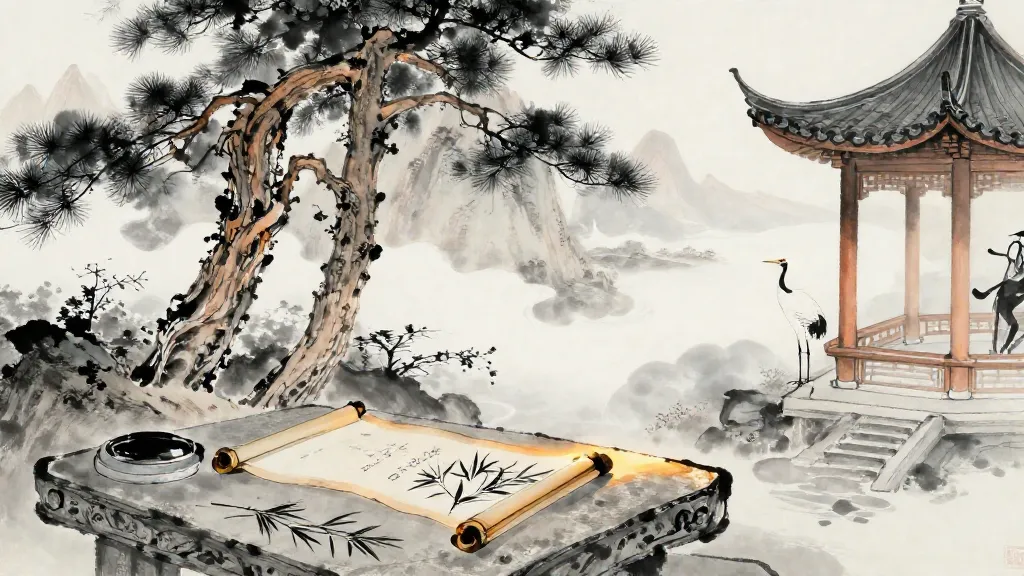
馬蹄 (Horses' Hooves) — Chinese ink painting

莊子 Zhuangzi · Chapter 9

馬蹄

Horses' Hooves

View:

馬之真性

The True Nature of Horses

馬,蹄可以踐霜雪,毛可以御風寒。齕草飲水,翹足而陸,此馬之真性也。雖有義台路寢,無所用之。及至伯樂,曰:"我善治馬。"燒之,剔之,刻之,雒之。連之以羈縶,編之以皂棧,馬之死者十二三矣!

Horses' hooves can tread on frost and snow; their coats can withstand wind and cold. They crop grass, drink water, and prance with raised hooves — this is the true nature of horses. They have no use for grand terraces and luxurious chambers. Then along came Bo Le, who said: 'I am good at managing horses.' He branded them, clipped them, pared their hooves, haltered them, hobbled them, penned them in stalls — and two or three out of every ten horses died!

Notes

1person伯樂Bó Lè

Bo Le (伯樂) was the legendary horse trainer of antiquity, famous for his ability to recognize fine horses. Here Zhuangzi turns this reputation on its head: the 'expert' who 'manages' horses actually destroys them. He serves as a metaphor for sages and rulers who 'manage' the people with benevolence and righteousness.

至德之世

The Age of Perfect Virtue

吾意善治天下者不然。彼民有常性,織而衣,耕而食,是謂同德。一而不黨,命曰天放。故至德之世,其行填填,其視顛顛。當是時也,山無蹊隧,澤無舟梁;萬物群生,連屬其鄉;禽獸成群,草木遂長。

I believe those who are good at governing the world would not do this. The people have a constant nature: they weave and clothe themselves, they till and feed themselves — this is called their common virtue. They are united without being partisan — this is called Heaven's Freedom. In the age of perfect virtue, people walked with steady steps and gazed with tranquil eyes. In those times, there were no paths through the mountains, no boats or bridges on the marshes. All things lived in communities, side by side. Birds and beasts formed their flocks, grasses and trees grew to fullness.

Notes

1context

'Heaven's Freedom' (天放) is Zhuangzi's vision of natural human society before the imposition of moral categories and political institutions. It is not a historical claim but a philosophical ideal: what human life would look like if people followed their innate nature without interference from 'sages' who impose artificial standards of benevolence and righteousness.

Edition & Source

Text
《莊子》 Zhuangzi
Edition
《四部叢刊》本
Commentary
Traditional Daoist commentaries