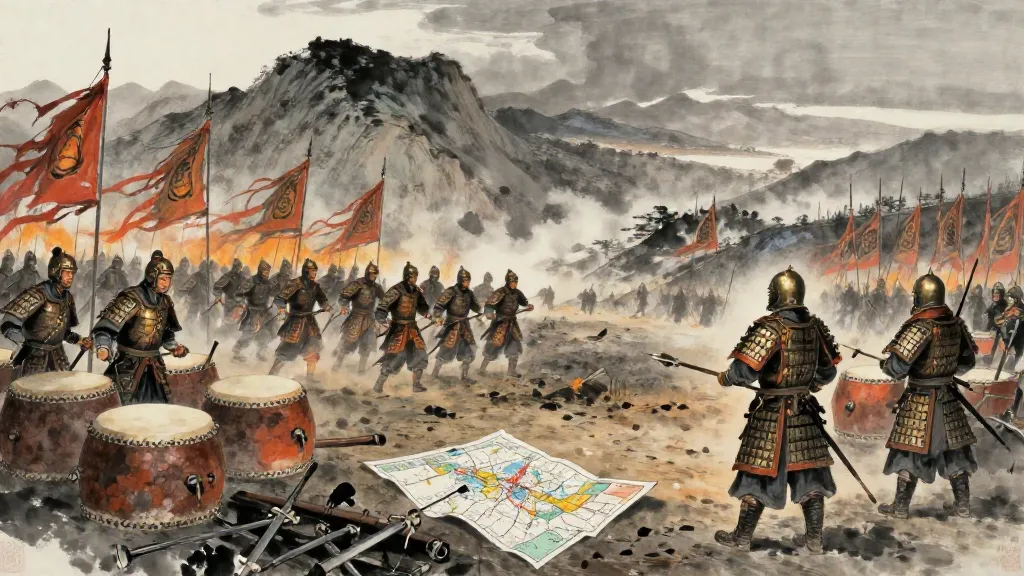
法法 (Modeling the Model) — Chinese ink painting

管子 Guanzi · Chapter 16

法法

Modeling the Model

View:

法之始

The Beginnings of Law

不法法,則事毋常;法不法,則令不行。令而不行,則令不法也;法而不行,則修令者不審也;審而不行,則賞罰輕也;重而不行,則賞罰不信也;信而不行,則不以身先之也。故曰:禁勝於身,則令行於民矣。

If the model is not modeled, affairs have no constancy. If the law is not upheld as law, commands are not carried out. If commands are issued but not carried out, the commands are not lawful. If laws exist but are not carried out, those who formulate commands are not careful. If they are careful but commands still fail, rewards and punishments are too light. If they are heavy but still fail, rewards and punishments are not trusted. If they are trusted but still fail, the ruler has not led by personal example. Therefore it is said: when prohibitions prevail over the ruler's own person, commands will prevail among the people.

三欲之節

Restraining the Three Desires

君有三欲於民,三欲不節,則上位危。三欲者何也?一曰求,二曰禁,三曰令。

The ruler has three desires regarding the people. If these three desires are not restrained, the ruler's position is endangered. What are the three desires? First, demands; second, prohibitions; third, commands. When demands are excessive, little is obtained. When prohibitions are excessive, little is stopped. When commands are excessive, little is carried out. The ruler who is harsh finds his subordinates will not listen; if he then coerces them with punishments, those in high position will be plotted against.

勢與法

Power-Position and Law

凡人君之所以為君者,勢也。故人君失勢,則臣制之矣。

What makes a ruler a ruler is his power-position. When the ruler loses his power-position, the ministers will control him. When power-position rests with subordinates, the ruler is controlled by ministers. Therefore it is said: the court hall is farther than a hundred li; the court steps are farther than a thousand li; the palace gate is farther than ten thousand li — meaning that when information is blocked, even what happens nearby can be unknown to the ruler for years. Commands are weightier than treasure; the altars of state take precedence over kinship; law is more precious than the people; authority is more valuable than rank and emolument.

規矩與聖法

Compass-Square and the Sage's Law

規矩者,方圜之正也。雖有巧目利手,不如拙規矩之正方圜也。故巧者能生規矩,不能廢規矩而正方圜。雖聖人能生法,不能廢法而治國。

The compass and square are what make circles and squares correct. Even with a clever eye and a skilled hand, one cannot match a crude compass and square in making circles and squares correct. The skilled craftsman can create the compass and square, but cannot abandon them and still make correct circles and squares. Likewise, the sage can create the law, but cannot abandon the law and still govern the state. Even with brilliant wisdom and lofty conduct, to discard the law and govern is like discarding the compass and square and trying to make correct shapes.

Edition & Source

Text
《管子》 Guanzi
Edition
中華古詩文古書籍網 transcription
Commentary
Traditional commentaries