虛靜待物
Emptiness and Stillness in Awaiting Things
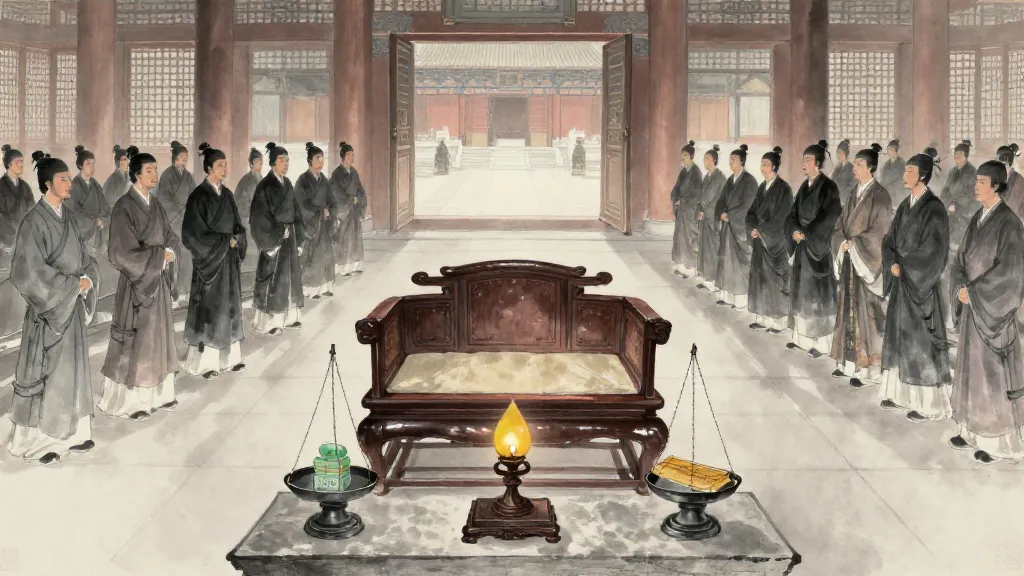
道者,萬物之始,是非之紀也。是以明君守始以知萬物之源,治紀以知善敗之端。故虛靜以待,令名自命也,令事自定也。虛則知實之情,靜則知動者正。有言者自為名,有事者自為形,形名參同,君乃無事焉,歸之其情。
The Dao is the origin of all things and the guiding thread of right and wrong. Therefore the enlightened ruler holds fast to the origin in order to know the source of all things, and governs by the guiding thread in order to know the starting point of success and failure. He maintains emptiness and stillness in order to wait: he lets titles assign themselves and lets affairs settle themselves. Through emptiness he perceives the true state of reality; through stillness he perceives the correct course of action. Those who speak create their own titles; those who act create their own forms. When form and title are cross-checked against each other, the ruler has nothing to do — all returns to its true state.
Notes
虛靜 (emptiness and stillness): A concept borrowed from Daoist thought, particularly from Laozi and Zhuangzi. Han Fei adapts this metaphysical principle into a practical technique of governance: by maintaining an empty, receptive mind, the ruler avoids revealing preferences that ministers could exploit.
形名參同 (cross-checking form and title): The core Legalist technique of xing-ming (performance and title). 'Title' (名) refers to what an official claims or proposes; 'form' (形) refers to the actual results. The ruler governs by comparing these two rather than by personal judgment.