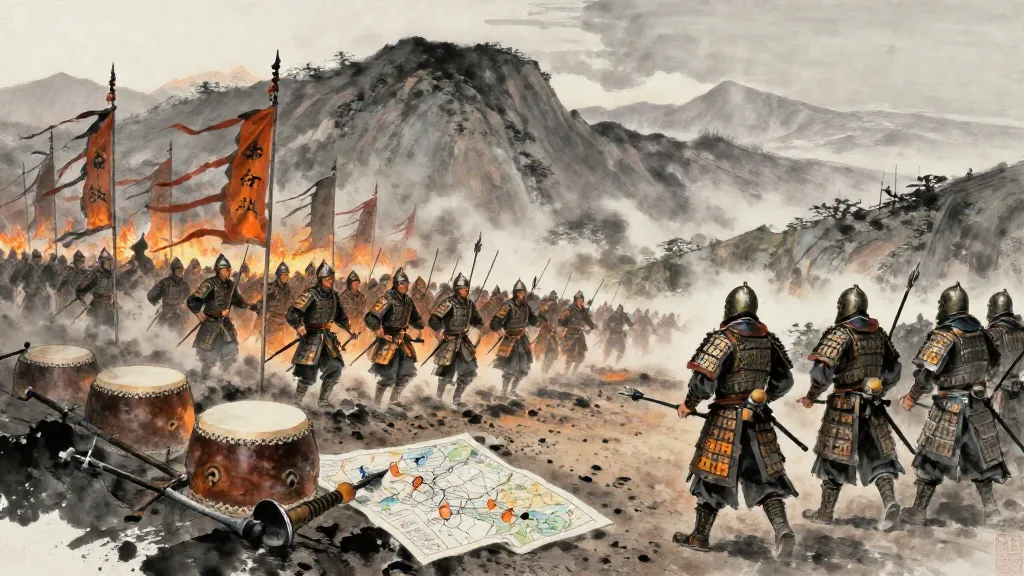
解老 (Interpreting Laozi) — Chinese ink painting

韓非子 Hanfeizi · Chapter 20

解老

Interpreting Laozi

View:

德者得身

Virtue Is the Attainment of the Self

德者,內也。得者,外也。“上德不德“,言其神不淫於外也。神不淫於外,則身全。身全之謂德。德者,得身也。凡德者,以無為集,以無欲成,以不思安,以不用固。為之欲之,則德無舍;德無舍,則不全。用之思之,則不固;不固,則無功;無功,則生於德。德則無德,不德則有德。故曰:“上德不德,是以有德。“

Virtue (de) pertains to the inner; attainment (de) pertains to the outer. 'The highest virtue does not consider itself virtuous' -- this means that the spirit does not dissipate outward. When the spirit does not dissipate outward, the self is preserved whole. The wholeness of the self -- this is called virtue. Virtue means attaining the self.

All virtue is gathered through non-action, completed through absence of desire, made secure through not-thinking, and made firm through not-using. If one acts upon it and desires it, then virtue has no resting place; without a resting place, it is not whole. If one employs it and thinks upon it, it is not firm; not being firm, it has no effect; having no effect, it arises from virtue. To be virtuous is to be without virtue; to be without virtue is to have virtue. Therefore Laozi says: 'The highest virtue does not consider itself virtuous -- therefore it has virtue.'

Notes

1context

This chapter is Han Fei's systematic commentary on the Daodejing (道德經). He interprets Laozi's mystical concepts through a Legalist lens, transforming Daoist metaphysics into practical political philosophy. The chapter title 解老 means 'Interpreting Laozi.'

2translation

Han Fei exploits the homophony of 德 (de, 'virtue') and 得 (de, 'to attain/obtain'). His equation 德者得身也 ('virtue is the attainment of the self') reframes Daoist virtue as self-preservation -- a characteristically Legalist reinterpretation.

上德無為・仁義禮之辨

The Highest Virtue Is Non-Action: Distinguishing Benevolence, Righteousness, and Ritual

所以貴無為無思為虛者,謂其意無所制也。夫無術者,故以無為無思為虛也。夫故以無為無思為虛者,其意常不忘虛,是制於為虛也。虛者,謂其意無所制也。今制於為虛,是不虛也。虛者之無為也,不以無為為有常。不以無為為有常,則虛;虛,則德盛;德盛之為上德。故曰:“上德無為而無不為也。“仁者,謂其中心欣然愛人也;其喜人之有福,而惡人之有禍也;生心之所不能已也,非求其報也。故曰:“上仁為之而無以為也。“

The reason non-action and non-thinking are valued as emptiness is that the mind is constrained by nothing. Those without technique (of governance) deliberately adopt non-action and non-thinking as emptiness. But when one deliberately adopts non-action and non-thinking as emptiness, one's mind constantly remembers to be empty -- and this is to be constrained by the effort of emptiness. Emptiness means the mind is constrained by nothing. To be constrained by the effort of emptiness is precisely not to be empty.

The non-action of true emptiness does not take non-action as a fixed constant. When one does not take non-action as a fixed constant, then there is emptiness. With emptiness, virtue flourishes; flourishing virtue is the highest virtue. Therefore Laozi says: 'The highest virtue acts without acting, and nothing is left undone.'

Benevolence means that one's inner heart is joyfully moved to love others; that one delights in others' good fortune and grieves at others' misfortune. It arises from the heart and cannot be suppressed, and does not seek repayment. Therefore Laozi says: 'The highest benevolence acts, yet has no ulterior purpose.'

Notes

1translation

虛 ('emptiness') is a key Daoist concept that Han Fei interprets as genuine mental freedom from constraint. His subtle point is that deliberately trying to be empty is self-defeating -- true emptiness is unselfconscious.

2context

Han Fei quotes Daodejing Chapter 38. His commentary descends through the hierarchy: highest virtue (上德), highest benevolence (上仁), highest righteousness (上義), and highest ritual (上禮), showing progressive degeneration from naturalness to artifice.

義者宜也・禮為情貌

Righteousness Is Propriety; Ritual Is the Outward Form of Feeling

義者,君臣上下之事,父子貴賤之差也,知交朋友之接也,親疏內外之分也。臣事君宜,下懷上宜,子事父宜,賤敬貴宜,知交朋友之相助也宜,親者內而疏者外宜。義者,謂其宜也,宜而為之。故曰:“上義為之而有以為也。“禮者,所以貌情也,群義之文章也,君臣父子之交也,貴賤賢不肖之所以別也。中心懷而不諭,故疾趨卑拜而明之;實心愛而不知,故好言繁辭以信之。禮者,外飾之所以諭內也。故曰:禮以貌情也。凡人之為外物動也,不知其為身之禮也。眾人之為禮也,以尊他人也,故時勸時衰。君子之為禮,以為其身;以為其身,故神之為上禮;上禮神而眾人貳,故不能相應;不能相應,故曰:“上禮為之而莫之應。“眾人雖貳,聖人之復恭敬盡手足之禮也不衰。故曰:“攘臂而仍之。“

Righteousness pertains to the relations between ruler and minister, superior and inferior; the distinctions between father and son, noble and humble; the interactions among acquaintances and friends; and the divisions between intimate and distant, inner and outer. That a minister serves his ruler is proper; that an inferior cherishes his superior is proper; that a son serves his father is proper; that the humble respect the noble is proper; that acquaintances and friends assist one another is proper; that the intimate are kept close and the distant kept at a remove is proper. Righteousness means propriety -- acting because it is proper. Therefore Laozi says: 'The highest righteousness acts, and has a purpose in doing so.'

Ritual is the outward expression of feeling, the literary adornment of collective righteousness, the medium of exchange between ruler and minister, father and son, and the means by which noble and humble, worthy and unworthy are distinguished. When the heart holds something but cannot convey it, one hastens and bows low to make it manifest. When one truly loves but the other does not know it, one uses fair words and elaborate speech to make it believed. Ritual is the external adornment by which the inner is made intelligible. Therefore it is said: ritual gives outward form to feeling.

When ordinary people perform ritual to honor others, their commitment waxes and wanes. The gentleman performs ritual for his own sake; because it is for his own sake, it becomes spiritual -- and this constitutes the highest ritual. But the highest ritual is spiritual, and common people are of two minds about it; thus they cannot respond in kind. Because they cannot respond, Laozi says: 'The highest ritual acts, and none respond to it.' Though common people are of two minds, the sage does not slacken in his respectful devotion and the full performance of ritual. Therefore Laozi says: 'He bares his arm and insists upon it.'

Notes

1translation

義者謂其宜也: Han Fei defines 義 (righteousness) through its near-homophone 宜 (propriety/what is fitting). This etymological interpretation was standard in classical Chinese philosophy.

2translation

攘臂而仍之 ('bares his arm and insists upon it'): from Daodejing Ch. 38. Han Fei interprets this as the sage persisting in ritual performance even when the common people do not reciprocate.

失道而後失德

Losing the Way Precedes Losing Virtue

道有積而積有功;德者,道之功。功有實而實有光;仁者,德之光。光有澤而澤有事;義者,仁之事也。事有禮而禮有文;禮者,義之文也。故曰:“失道而後失德,失德而後失仁,失仁而後失義,失義而後失禮。“禮為情貌者也,文為質飾者也。夫君子取情而去貌,好質而惡飾。夫恃貌而論情者,其情惡也;須飾而論質者,其質衰也。何以論之?和氏之璧,不飾以五采;隋侯之珠,不飾以銀黃。其質至美,物不足以飾之。夫物之待飾而後行者,其質不美也。是以父子之間,其禮朴而不明,故曰:“理薄也。“凡物不並盛,陰陽是也;理相奪予,威德是也;實厚者貌薄,父子之禮是也。由是觀之,禮繁者,實心衰也。然則為禮者,事通人之朴心者也。眾人之為禮也,人應則輕歡,不應則責怨。今為禮者事通人之朴心而資之以相責之分,能毋爭乎?有爭則亂,故曰:“夫禮者,忠信之薄也,而亂之首乎。“

The Way accumulates, and accumulation produces merit. Virtue is the merit of the Way. Merit has substance, and substance has radiance. Benevolence is the radiance of virtue. Radiance has luster, and luster has affairs. Righteousness is the affair of benevolence. Affairs have ritual, and ritual has ornamentation. Ritual is the ornamentation of righteousness.

Therefore Laozi says: 'Losing the Way comes before losing virtue; losing virtue comes before losing benevolence; losing benevolence comes before losing righteousness; losing righteousness comes before losing ritual.'

Ritual gives outward form to feeling; ornamentation is the embellishment of substance. The gentleman takes the feeling and discards the form, values substance and disdains embellishment. One who relies on appearances to judge the feelings within -- his feelings must be base. One who needs embellishment before substance can be assessed -- his substance must be in decline.

How do we know this? The jade disc of He is not adorned with the five colors; the pearl of Lord Sui is not set in silver and gold. Their substance is of the highest beauty; no decoration is sufficient to improve them. Things that require decoration before they can be valued -- their substance is not beautiful.

Thus between father and son, the ritual is simple and unelaborated. Therefore it is said: 'The principle is thin.' In general, things do not flourish simultaneously -- as with yin and yang. Principles compete to displace one another -- as with authority and virtue. Where substance is thick, appearances are thin -- as with the ritual between father and son.

Viewed from this perspective, where ritual is elaborate, genuine feeling has declined. Those who perform ritual are engaged in reaching the simple hearts of others. When common people perform ritual and others respond, they feel casual delight; when others do not respond, they resent and blame. Now, ritual practitioners seek to reach people's simple hearts while furnishing them with grounds for mutual blame -- can there be no contention? Where there is contention, there is disorder. Therefore Laozi says: 'Ritual is the thin veneer of loyalty and trust, and the beginning of disorder.'

Notes

1context

Han Fei traces a descending chain: Way -> Virtue -> Benevolence -> Righteousness -> Ritual. Each step represents a further degeneration from natural spontaneity. This commentary on Daodejing Ch. 38 supports Han Fei's argument that formal institutions (法) should replace moral sentiments as the basis of governance.

2translation

和氏之璧 (the jade disc of He) and 隋侯之珠 (the pearl of Lord Sui) are two legendary treasures of antiquity, proverbially cited as examples of supreme natural beauty that needs no adornment.

前識者愚之首

Foreknowledge Is the Beginning of Folly

先物行先理動之謂前識。前識者,無緣而妄意度也。何以論之?詹何坐,弟子侍,牛鳴於門外。弟子曰:“是黑牛也在而白其題。“詹何曰:“然,是黑牛也,而白在其角。“使人視之,果黑牛而以布裹其角。以詹子之術,嬰眾人之心,華焉殆矣!故曰:“道之華也。“嘗試釋詹子之察,而使五尺之愚童子視之,亦知其黑牛而以布裹其角也。故以詹子之察,苦心傷神,而後與五尺之愚童子同功,是以曰:“愚之首也。“故曰:“前識者,道之華也,而愚之首也。“

To act before things take shape and move before principles manifest -- this is called foreknowledge. Foreknowledge is baseless and reckless conjecture.

How do we know this? Zhan He sat with his disciples attending him. A cow lowed outside the gate. A disciple said, 'That is a black cow with a white forehead.' Zhan He said, 'Indeed, it is a black cow -- but the white is on its horns.' Someone was sent to look: it was indeed a black cow with cloth wrapped around its horns.

To apply Zhan He's technique to the minds of common people would be a dazzling but perilous thing! Therefore Laozi says: 'It is the flower of the Way.' But suppose we set aside Zhan He's perceptiveness and send a five-foot-tall foolish child to look -- the child too would know it was a black cow with cloth wrapped around its horns. Thus Zhan He, with all his perceptiveness, tormented his mind and exhausted his spirit, only to achieve the same result as a five-foot-tall foolish child.

This is why Laozi says: 'It is the beginning of folly.' Therefore: 'Foreknowledge is the flower of the Way, and the beginning of folly.'

Notes

1person詹何Zhan He

Zhan He (詹何) was a legendary figure known for extraordinary perceptiveness, sometimes associated with Daoist sages. Han Fei uses him to argue that supernatural insight is ultimately wasteful compared to direct observation.

2context

This passage comments on Daodejing Ch. 38: '前識者,道之華也,而愚之首也' ('Foreknowledge is the flower of the Way and the beginning of folly'). Han Fei's Legalist reading: fancy prognostication is inferior to straightforward institutional mechanisms.

禍兮福之所倚

Misfortune Is Where Fortune Leans

人有禍,則心畏恐;心畏恐,則行端直;行端直,則思慮熟;思慮熟,則得事理。行端直,則無禍害;無禍害,則盡天年。得事理,則必成功。盡天年,則全而壽。必成功,則富與貴。全壽富貴之謂福。而福本於有禍。故曰:“禍兮福之所倚。“以成其功也。人有福,則富貴至;富貴至,則衣食美;衣食美,則驕心生;驕心生,則行邪僻而動棄理。行邪僻,則身夭死;動棄理,則無成功。夫內有死夭之難而外無成功之名者,大禍也。而禍本生於有福。故曰:“福兮禍之所伏。“

When a person faces misfortune, his heart becomes fearful and vigilant. When fearful and vigilant, his conduct becomes upright. When his conduct is upright, his deliberations become thorough. When his deliberations are thorough, he grasps the principles of affairs. When his conduct is upright, he avoids calamity; avoiding calamity, he lives out his natural span. When he grasps the principles of affairs, he will surely succeed. Living out his natural span, he is whole and long-lived. Surely succeeding, he attains wealth and honor. Wholeness, longevity, wealth, and honor -- this is called fortune. And fortune has its origin in misfortune. Therefore Laozi says: 'Misfortune -- fortune leans upon it.' It is through misfortune that achievement is completed.

When a person enjoys fortune, wealth and honor arrive. When wealth and honor arrive, clothing and food become fine. When clothing and food become fine, arrogance arises in the heart. When arrogance arises, conduct becomes deviant and actions abandon principle. When conduct is deviant, one dies a premature death. When actions abandon principle, nothing is achieved. To suffer premature death within and lack the name of achievement without -- this is great misfortune. And this misfortune has its origin in fortune. Therefore Laozi says: 'Fortune -- misfortune lurks within it.'

Notes

1context

This is Han Fei's commentary on Daodejing Ch. 58: '禍兮福之所倚,福兮禍之所伏.' Han Fei transforms Laozi's cosmic observation about reversal into a practical chain of cause and effect: misfortune breeds caution, which breeds success; fortune breeds complacency, which breeds ruin.

道者萬物之所然

The Way Is That by Which All Things Are So

道者,萬物之所然也,萬理之所稽也。理者,成物之文也;道者,萬物之所以成也。故曰:“道,理之者也。“物有理,不可以相薄;物有理不可以相薄,故理之為物之制。萬物各異理,萬物各異理而道盡。稽萬物之理,故不得不化;不得不化,故無常操。無常操,是以死生氣稟焉,萬智斟酌焉,萬事廢興焉。天得之以高,地得之以藏,維斗得之以成其威,日月得之以恆其光,五常得之以常其位,列星得之以端其行,四時得之以御其變氣,軒轅得之以擅四方,赤松得之與天地統,聖人得之以成文章。道,與堯、舜俱智,與接輿俱狂,與桀、紂俱滅,與湯、武俱昌。以為近乎,游於四極;以為遠乎,常在吾側;以為暗乎,其光昭昭;以為明乎,其物冥冥;而功成天地,和化雷霆,宇內之物,恃之以成。凡道之情,不制不形,柔弱隨時,與理相應。萬物得之以死,得之以生;萬事得之以敗,得之以成。道譬諸若水,溺者多飲之即死,渴者適飲之即生;譬之若劍戟,愚人以行忿則禍生,聖人以誅暴則福成。故得之以死,得之以生,得之以敗,得之以成。

The Way is that by which all things are as they are, and that against which all principles are verified. Principle is the pattern by which things are completed; the Way is that by which all things come into being. Therefore it is said: 'The Way is what orders principle.'

Each thing has its principle and cannot encroach upon another; because things have principles and cannot encroach upon one another, principle serves as the governing measure of things. The myriad things each have different principles; the myriad things each have different principles, yet the Way encompasses them all.

Verifying the principles of all things, the Way cannot but transform; unable to avoid transformation, it has no fixed operation. Having no fixed operation, life and death receive their vital endowments from it, all wisdom is measured against it, and all affairs rise and fall by it.

Heaven attains it and thereby is high; Earth attains it and thereby stores all things. The Dipper attains it and thereby establishes its authority; the sun and moon attain it and thereby maintain their light. The Five Constants attain it and thereby hold their positions; the arrayed stars attain it and thereby keep their courses. The four seasons attain it and thereby govern their changing airs. The Yellow Emperor attained it and thereby commanded the four quarters; the Red Pine Master attained it and thereby was unified with Heaven and Earth; the sages attained it and thereby created civilization.

The Way: with Yao and Shun it is wise; with Jieyu it is mad; with Jie and Zhou it is destroyed; with Tang and Wu it is glorious. Consider it near -- it roams to the four extremities. Consider it far -- it is always at my side. Consider it dark -- its light is radiant. Consider it bright -- its substance is obscure. Its achievement completes Heaven and Earth; its harmony transforms like thunder. All things within the cosmos depend upon it to come into being.

The true nature of the Way: it imposes no constraints and assumes no form; soft and yielding, it follows the times, responding in accordance with principle. All things attain it and thereby die, attain it and thereby live. All affairs attain it and thereby fail, attain it and thereby succeed.

The Way may be compared to water: the drowning man drinks too much and dies; the thirsty man drinks the right amount and lives. It may be compared to swords and halberds: the fool uses them in rage and disaster arises; the sage uses them to punish the violent and fortune is achieved. Thus one attains it and dies, attains it and lives; attains it and fails, attains it and succeeds.

Notes

1person接輿Jieyu

Jieyu (接輿) was the 'Madman of Chu' who feigned madness to avoid political entanglements. He appears in the Analerta and Zhuangzi as a figure who sang before Confucius's carriage.

2person赤松子Chisongzi

The Red Pine Master (赤松子) is a legendary Daoist immortal, said to have been the rain master during the time of Shennong. He represents transcendence through union with the Way.

3translation

理 ('principle/pattern') is distinct from 道 ('Way'). The Way is the totality that encompasses all principles; each individual thing has its own principle. This ontological framework anticipates later Neo-Confucian discussions of li (理) and dao (道).

無狀之狀・道之可道

The Formless Form and the Speakable Way

人希見生象也,而得死象之骨,案其圖以想其生也,故諸人之所以意想者皆謂之“象“也。今道雖不可得聞見,聖人執其見功以處見其形,故曰:“無狀之狀,無物之象“。凡理者,方圓、短長、粗靡、堅脆之分也,故理定而後可得道也。故定理有存亡,有死生,有盛衰。夫物之一存一亡,乍死乍死,初盛而後衰者,不可謂常。唯夫與天地之剖判也俱生,至天地之消散也不死不衰者謂“常“。而常者,無攸易,無定理。無定理,非在於常所,是以不可道也。聖人觀其玄虛,用其周行,強字之曰“道“,然而可論。故曰:“道之可道,非常道也“。

People rarely see living elephants; they obtain the bones of dead elephants, examine diagrams of them, and imagine them alive. Therefore whatever people form mental images of is called 'image' (xiang). Now the Way cannot be heard or seen, but the sage grasps its visible effects to perceive its form. Therefore Laozi says: 'The form of the formless, the image of the thing-less.'

Principle comprises the distinctions of square and round, short and long, coarse and fine, hard and brittle. Therefore only when principle is determined can the Way be apprehended. Yet things with determined principles undergo existence and extinction, life and death, flourishing and decline. Things that now exist and now are gone, that suddenly live and suddenly die, that first flourish and later decline -- these cannot be called 'constant.'

Only that which was born together with the separation of Heaven and Earth, and which neither dies nor declines when Heaven and Earth dissolve -- this is called 'the constant.' The constant has nothing that changes, no fixed principle. Having no fixed principle, it is not located in any fixed place. Therefore it cannot be spoken of.

The sage observes its profound emptiness and employs its universal operation, and forcibly gives it the character 'Way' -- and only then can it be discussed. Therefore Laozi says: 'The Way that can be spoken of is not the constant Way.'

Notes

1translation

The elephant/image wordplay: 象 (xiang) means both 'elephant' and 'image/form.' Han Fei uses the etymology to explain Laozi's concept: just as we reconstruct a living elephant from its bones, we reconstruct the formless Way from its visible effects.

2context

Han Fei comments on Daodejing Ch. 1 ('道可道非常道') and Ch. 14 ('無狀之狀,無物之象'). His interpretation frames the ineffability of the Way not as mystical paradox but as the logical consequence of its having no fixed principle.

出生入死

Emerging into Life, Entering into Death

人始於生而卒於死。始之謂出,卒之謂入。故曰:“出生入死“。人之身三百六十節,四肢、九竅其大具也。四肢九竅十有三者,十有三者之動靜盡屬於生焉。屬之謂徒也,故曰:生之徒也十有三者。至死也,十有三具者皆還而屬之於死,死之徒亦有十三。“故曰:“生之徒十有三,死之徒十有三。“凡民之生生而和固動,動盡則損也;而動不止,是損而不止也。損而不止則生盡,生盡之謂死,則十有三具者皆為死死地也。故曰:“民之生,生而動,動皆之死地,亦十有三。“

Human life begins at birth and ends at death. Beginning is called 'emerging'; ending is called 'entering.' Therefore Laozi says: 'Emerging into life, entering into death.'

The human body has three hundred and sixty joints; the four limbs and nine orifices are its major components. The four limbs and nine orifices make thirteen; these thirteen, in their motion and rest, all belong to life. 'Belonging' is what is meant by 'followers.' Therefore it is said: the followers of life number thirteen.

At death, the thirteen components all return and belong to death; the followers of death also number thirteen. Therefore Laozi says: 'The followers of life are thirteen; the followers of death are thirteen.'

In general, people live their lives in harmonious stability through movement. When movement is exhausted, there is depletion. When movement does not cease, depletion does not cease. When depletion does not cease, life is exhausted. When life is exhausted, that is called death -- and the thirteen components all become grounds for death. Therefore Laozi says: 'People live their lives, and in living they move; and all their movements lead them to the ground of death -- these too are thirteen.'

Notes

1context

This passage comments on Daodejing Ch. 50. Han Fei interprets the mysterious 'thirteen' (十有三) as the four limbs plus nine orifices (4 + 9 = 13), a numerological reading that became standard in later commentaries.

2translation

The argument about movement and depletion reflects the Daoist principle of conservation: excessive activity exhausts the vital forces. This is the theoretical basis for the ruler's practice of 'non-action' (無為) -- governing through stillness rather than frantic intervention.

善攝生者

Those Skilled at Preserving Life

是以聖人愛精神而貴處靜。不愛精神不貴處靜,此甚大於兕虎之害。夫兕虎有域,動靜有時。避其域,省其時,則免其兕虎之害矣。民獨知兕虎之有爪角也,而莫知萬物之盡有爪角也,不免於萬物之害。何以論之?時雨降集,曠野閒靜,而以昏晨犯山川,則風露之爪角害之。事上不忠,輕犯禁令,則刑法之爪角害之。處鄉不節,憎愛無度,則爭鬥之爪角害之。嗜欲無限,動靜不節,則痤疽之爪角害之。好用其私智而棄道理,則綱羅之爪角害之。兕虎有域,而萬害有原,避其域,塞其原,則免於諸害矣。凡兵革者,所以備害也。重生者,雖入軍無忿爭之心;無忿爭之心,則無所用救害之備。此非獨謂野處之軍也。聖人之游世也,無害人之心,無害人之心,則必無人害,無人害,則不備人。故曰:“陸行不遇兕虎。“入山不特備以救害,故曰:“入軍不備甲兵。“遠諸害,故曰“兕無所投其角,虎無所錯其爪,兵無所容其刃。“不設備而必無害,天地之道理也。體天地之道,故曰:“無死地焉。“動無死地,而謂之“善攝生“矣。

For this reason the sage cherishes his vital spirit and values dwelling in stillness. Failure to cherish one's vital spirit and value stillness -- this is a danger far greater than rhinoceroses and tigers.

Rhinoceroses and tigers have their territories, and their movements follow fixed times. Avoid their territories and observe their schedules, and one is free from the danger of rhinoceroses and tigers. Yet people know only that rhinoceroses and tigers have claws and horns, and do not realize that all things have their own claws and horns -- thus they cannot escape harm from all things.

How do we know this? When seasonal rains gather and the open wilderness seems quiet, one who traverses mountains and rivers at dusk and dawn is harmed by the claws and horns of wind and dew. One who serves superiors disloyally and carelessly violates prohibitions is harmed by the claws and horns of punishments and law. One who dwells in the community without restraint, with hatred and affection knowing no measure, is harmed by the claws and horns of strife and conflict. One whose appetites and desires know no limit, whose activity and rest follow no measure, is harmed by the claws and horns of boils and sores. One who insists on employing private cleverness while abandoning the Way and principle is harmed by the claws and horns of nets and snares.

Rhinoceroses and tigers have their territories, and all harms have their sources. Avoid their territories and block their sources, and one is free from all harm.

Armor and weapons exist to guard against harm. One who values life, even when entering an army, harbors no belligerent heart. With no belligerent heart, there is no occasion to use defensive equipment. This does not apply only to armies in the field. When the sage journeys through the world, he harbors no intent to harm others. With no intent to harm, there will assuredly be no one who harms him. With no one to harm him, he need not guard against others.

Therefore Laozi says: 'Traveling on land, he does not encounter rhinoceroses or tigers.' Entering the mountains without special preparations against harm, therefore: 'Entering an army, he wears no armor or weapons.' Far removed from all harm, therefore: 'The rhinoceros has nowhere to thrust its horn, the tiger has nowhere to plant its claw, weapons have nowhere to lodge their blades.' To set up no defenses yet assuredly suffer no harm -- this is the principle of Heaven and Earth. To embody the Way of Heaven and Earth: therefore Laozi says 'There is no ground of death.' To move without entering the ground of death -- this is what is called 'being skilled at preserving life.'

Notes

1context

This passage comments on Daodejing Ch. 50. Han Fei's Legalist twist: the 'claws and horns' of the world include not only wild beasts but also law, social strife, illness, and political entrapment. True self-preservation comes from following institutional order (道理), not from personal cunning.

慈故能勇・儉故能廣

Compassion Yields Courage; Frugality Yields Breadth

愛子者慈於子,重生者慈於身,貴功者慈於事。慈母之於弱子也,務致其福;務致其福,則事除其禍;事除其禍,則思慮熟;思慮熟,則得事理;得事理,則必成功;必成;工,則其行之也不疑;不疑之謂勇。聖人之於萬事也,盡如慈母之為弱子慮也,故見必行之道。見必行之道則其從事亦不疑;不疑之謂勇。不疑生於慈,故曰:“慈,故能勇。“周公曰:“冬日之閉凍也不固,則春夏之長草木也不茂。“天地不能常侈常費,而況於人乎?故萬物必有盛衰,萬事必有弛張,國家必有文武,官治必有賞罰。是以智士儉用其財則家富,聖人愛寶其神則精盛,人君重戰其卒則民眾,民眾則國廣。是以舉之曰:“儉,故能廣。“

One who loves a child is compassionate toward the child; one who values life is compassionate toward the self; one who prizes achievement is compassionate toward affairs.

A compassionate mother, with regard to her young child, devotes herself to securing its fortune. Devoting herself to its fortune, she works to remove its misfortunes. Working to remove misfortune, her deliberations become thorough. With thorough deliberation, she grasps the principles of affairs. Grasping the principles, she will surely succeed. Succeeding surely, she acts without hesitation. Acting without hesitation -- this is called courage.

The sage regards all affairs exactly as a compassionate mother deliberates for her young child. Therefore he perceives the path of sure success. Perceiving the path of sure success, he too undertakes affairs without hesitation. Acting without hesitation -- this is called courage. Courage arises from compassion. Therefore Laozi says: 'Compassion -- therefore one can be courageous.'

The Duke of Zhou said: 'If winter's freezing closure is not firm, then spring and summer's growth of plants and trees will not flourish.' If Heaven and Earth cannot always expend lavishly, how much less can human beings?

Therefore all things must have their flourishing and decline; all affairs must have their relaxation and tension; states must have their civil and military aspects; governance must have its rewards and punishments. Thus the wise man uses his wealth frugally and his household grows rich; the sage cherishes his spirit and his vitality flourishes; the ruler values his soldiers' lives and the people grow numerous. When the people are numerous, the state is broad. Therefore Laozi says: 'Frugality -- therefore one can be broad.'

Notes

1context

This passage comments on Daodejing Ch. 67, which names the 'three treasures': compassion (慈), frugality (儉), and not daring to be first in the world. Han Fei's reading transforms Daoist compassion into strategic calculation and Daoist frugality into resource management.

2person周公Zhou Gong

The Duke of Zhou (周公, c. 11th century BC) was the brother of King Wu and regent for the young King Cheng. He is the archetype of the loyal minister in Chinese tradition.

不敢為天下先

Not Daring to Be First in All-Under-Heaven

凡物之有形者易裁也,易割也。何以論之?有形,則有短長;有短長,則有小大;有小大,則有方圓;有方圓,則有堅脆;有堅脆,則有輕重;有輕重,則有白黑。短長、大小、方圓、堅脆、輕重、白黑之謂理。理定而物易割也。故議於大庭而後言則立,權議之士知之矣。故欲成方圓而隨其規矩,則萬事之功形矣。而萬物莫不有規矩,議言之士,計會規矩也。聖人盡隨於萬物之規矩,故曰:“不敢為天下先。“不敢為天下先,則事無不事,功無不功,而議必蓋世,欲無處大官,其可得乎?處大官之謂為成事長。是以故曰:“不敢為天下先,故能為成事長。“

Whatever has form is easy to cut and easy to carve. How do we know? If it has form, it has short and long; having short and long, it has small and large; having small and large, it has square and round; having square and round, it has hard and brittle; having hard and brittle, it has light and heavy; having light and heavy, it has white and black. Short and long, small and large, square and round, hard and brittle, light and heavy, white and black -- these are called principles. When principles are determined, things are easy to deal with.

Therefore one who deliberates in the great court and speaks only afterward finds his words established -- the strategists know this. Thus if one wishes to create squares and circles by following the compass and square, the achievements of all affairs will take shape. All things have their compass and square; the strategist calculates the compass and square of affairs.

The sage follows entirely the compass and square of all things. Therefore Laozi says: 'He does not dare to be first in All-Under-Heaven.' Not daring to be first in All-Under-Heaven, there is no affair he cannot manage, no achievement he cannot accomplish. His counsel will assuredly surpass the age -- could he wish to avoid holding high office? Holding high office is what is meant by being 'the leader of accomplished affairs.' Therefore Laozi says: 'Not daring to be first in All-Under-Heaven -- therefore he can be the leader of accomplished affairs.'

Notes

1context

This comments on Daodejing Ch. 67's third treasure. Han Fei transforms Laozi's humble 'not daring to be first' into the strategic principle of following objective patterns (規矩, 'compass and square') rather than imposing one's will -- a form of institutional governance rather than personal ambition.

慈於戰則勝・三寶

Compassion in War Brings Victory: The Three Treasures

慈於子者不敢絕衣食,慈於身者不敢離法度,慈於方圓者不敢舍規矩。故臨兵而慈於士吏則戰勝敵,慈於器械則城堅固。故曰:“慈,於戰則勝,以守則固。“夫能自全也而盡隨於萬物之理者,必且有天生。天生也者,生心也,故天下之道盡之生也。若以慈衛之也,事必萬全,而舉無不當,則謂之寶矣。故曰:“吾有三寶,持而寶之。“

One who is compassionate toward a child does not dare cut off its clothing and food. One who is compassionate toward the self does not dare depart from laws and standards. One who is compassionate toward squares and circles does not dare abandon the compass and square.

Thus one who faces battle with compassion for his soldiers and officers will defeat the enemy in war. One who is compassionate toward weapons and fortifications will hold cities firm and strong. Therefore Laozi says: 'Compassion -- in attack it brings victory; in defense it brings strength.'

One who can preserve himself whole while following entirely the principles of all things will assuredly possess what Heaven generates. What Heaven generates is the living heart -- thus the Way of All-Under-Heaven gives it life completely. If one guards it with compassion, affairs will be infallibly secure, and no action will be inappropriate. This is what is called a treasure. Therefore Laozi says: 'I have three treasures; I hold and treasure them.'

Notes

1context

Han Fei concludes his commentary on Daodejing Ch. 67. He has reinterpreted Laozi's three treasures -- compassion (慈), frugality (儉), and not daring to be first -- as strategic principles: thorough care in planning, conservation of resources, and deference to objective patterns.

盜竽

The Robber's Reed-Organ

書之所謂“大道“也者,端道也。所謂“貌施“也者,邪道也。所謂“徑大“也者,佳麗也。佳麗也者,邪道之分也。“朝甚除“也者,獄訟繁也。獄訟繁,則田荒;田荒,則府倉虛;府倉虛,則國貧;國貧,而民俗淫侈;民俗淫侈,則衣食之業絕;衣食之業絕,則民不得無飾巧詐;飾巧詐,則知采文;知采文之謂“服文采“。獄訟繁倉廩虛,而有以淫侈為俗,則國之傷也,若以利劍刺之。故曰:“帶利劍。“諸夫飾智故以至於傷國者,其私家必富;私家必富,故曰:“資貨有餘。“國有若是者,則愚民不得無術而效之;效之,則小盜生。由是觀之,大奸作則小盜隨,大奸唱則小盜和。竽也者,五聲之長者也,故竽先則鍾瑟皆隨,竽唱則諸樂皆和。今大奸作則俗之民唱,俗之民唱則小盜必和。故“服文采,帶利劍,厭飲食,而貨資有餘者,是之謂盜竽矣。“

What the text calls 'the great Way' means the correct path. What it calls 'bypath roads' means the deviant path. What it calls 'the shortcuts are fine' means splendor and beauty. Splendor and beauty are branches of the deviant path.

'The court is utterly swept clean' means lawsuits and litigation are rampant. When lawsuits are rampant, the fields lie fallow. When fields lie fallow, the granaries are empty. When granaries are empty, the state is impoverished. When the state is impoverished, the customs of the people become licentious and extravagant. When customs become licentious and extravagant, the occupations of clothing and food are abandoned. When the occupations of clothing and food are abandoned, the people cannot help but adorn themselves with cunning and deceit. When they master cunning and deceit, they learn to appreciate finery -- learning to appreciate finery is what is meant by 'wearing embroidered garments.'

When lawsuits are rampant and granaries empty, and licentious extravagance becomes customary, the wound to the state is as if it were stabbed with a sharp sword. Therefore Laozi says: 'Wearing sharp swords.' Those who adorn themselves with cleverness and thereby wound the state invariably enrich their private households. Since their households are invariably rich, therefore: 'Possessing goods and wealth in surplus.'

When a state has such people, the common folk cannot help but copy their methods; when they copy them, petty theft arises. From this we see: when great villainy acts, petty theft follows; when great villainy leads, petty theft harmonizes. The reed-organ (yu) is the leader of the five tones -- when the reed-organ leads, bells and zithers all follow; when the reed-organ sounds, all instruments harmonize. Now when great villainy acts, the common folk follow; when the common folk follow, petty thieves must harmonize.

Therefore: 'To wear embroidered garments, carry sharp swords, gorge on food and drink, and possess goods and wealth in surplus -- this is called the robber's reed-organ.'

Notes

1context

This passage comments on Daodejing Ch. 53. Han Fei reads Laozi's condemnation of luxury as a Legalist critique: corrupt officials who enrich themselves at state expense set the tone (like the reed-organ/竽 leading an orchestra) for systemic corruption from top to bottom.

2translation

盜竽 ('robber's reed-organ'): Han Fei's coinage from Laozi's 盜夸 ('robber's boast'). The yu (竽) metaphor is characteristically Han Fei -- he uses the same instrument in his famous parable of 'Lord Nanguo bluffing on the yu' (濫竽充數) in another chapter.

治大國若烹小鮮

Governing a Great State Is Like Cooking a Small Fish

工人數變業則失其功,作者數搖徙則亡其功。一人之作,日亡半日,十日則亡五人之功矣;萬人之作,日亡半日,十日則亡五萬人之功矣。然則數變業者,其人彌眾,其虧彌大矣。凡法令更則利害易,利害易則民務變,民務變謂之變業。故以理觀之,事大眾而數搖之,則少成功;藏大器而數徙之,則多敗傷;烹小鮮而數撓之,則賊其宰;治大國而數變法,則民苦之。是以有道之君貴靜,不重變法。故曰:“治大國者若烹小鮮。“

When craftsmen frequently change their trade, they lose their skill. When workers are frequently relocated, they forfeit their achievements. If one worker loses half a day's work per day, in ten days the loss equals five workers' output. If ten thousand workers each lose half a day per day, in ten days the loss equals fifty thousand workers' output. Thus the more numerous the people who frequently change their trade, the greater the loss.

Whenever laws and orders are changed, the balance of benefit and harm shifts. When the balance shifts, the people's occupations change. When the people's occupations change, this is called 'changing their trade.'

Therefore, viewed in terms of principle: if one manages a great multitude and frequently agitates them, little will be accomplished. If one stores a great vessel and frequently moves it, it will often be damaged. If one cooks a small fish and frequently stirs it, it will be ruined. If one governs a great state and frequently changes the law, the people will suffer.

Thus the ruler who possesses the Way values stillness and does not lightly change the law. Therefore Laozi says: 'Governing a great state is like cooking a small fish.'

Notes

1context

This comments on Daodejing Ch. 60. Han Fei's interpretation is characteristically concrete: Laozi's mystical counsel of non-interference becomes a practical argument against legislative instability. Frequent changes in law disrupt livelihoods and waste productive capacity.

以道蒞天下

Governing All-Under-Heaven through the Way

人處疾則貴醫,有禍則畏鬼。聖人在上,則民少欲;民少欲,則血氣治而舉動理;舉動理則少禍害。夫內無痤疽癉痔之害,而外無刑罰法誅之禍者,其輕恬鬼也甚。故曰:“以道蒞天下,其鬼不神。“治世之民,不與鬼神相害也。故曰:“非其鬼不神也,其神不傷人也。“鬼祟也疾人之謂鬼傷人,人逐除之之謂人傷鬼也。民犯法令之謂民傷上,上刑戮民之謂上傷民。民不犯法,則上亦不行刑;上不行刑之謂上不傷人,故曰:“聖人亦不傷民。“上不與民相害,而人不與鬼相傷,故曰:“兩不相傷。“民不敢犯法,則上內不用刑罰,而外不事利其產業。上內不用刑罰,而外不事利其產業,則民蕃息。民蕃息而畜積盛。民蕃息而畜積盛之謂有德。凡所謂祟者,魂魄去而精神亂,精神亂則無德。鬼不祟人則魂魄不去,魂魄不去而精神不亂,精神不亂之謂有德。上盛畜積而鬼不亂其精神,則德盡在於民矣。故曰:“兩不相傷,則德交歸焉。“言其德上下交盛而俱歸於民也。

When people are ill, they value physicians; when in trouble, they fear ghosts. When a sage rules above, the people have few desires. When the people have few desires, their vital energies are regulated and their actions are principled. When actions are principled, there is little calamity. Those who suffer neither internal afflictions of boils, ulcers, and hemorrhoids, nor the external calamities of punishments and legal executions -- such people treat ghosts with great indifference.

Therefore Laozi says: 'When the Way governs All-Under-Heaven, the ghosts lose their spiritual power.' The people of a well-governed age do not suffer harm from ghosts and spirits. Therefore: 'It is not that the ghosts are not spiritual; their spiritual power does not harm people.'

When ghosts haunt and cause illness in people, this is called 'ghosts harming people.' When people drive out and expel ghosts, this is called 'people harming ghosts.' When the people violate the laws, this is called 'the people harming the ruler.' When the ruler punishes and executes the people, this is called 'the ruler harming the people.'

When the people do not violate the law, the ruler need not impose punishments. When the ruler does not impose punishments, this is called 'the ruler does not harm the people.' Therefore: 'The sage too does not harm the people.' The ruler and people do not harm each other, and people and ghosts do not injure each other. Therefore: 'The two do not harm each other.'

When the people dare not violate the law, the ruler internally does not employ punishments and externally does not interfere with their livelihoods. When the ruler does not employ punishments or interfere with livelihoods, the people multiply and prosper. When the people multiply, prosper, and accumulate wealth -- this is called 'having virtue.' When ghosts do not haunt people, their souls do not depart and their spirits are not disordered. Spirits not disordered -- this is called 'having virtue.' When the ruler's stores are full and ghosts do not disorder the people's spirits, then virtue resides entirely with the people.

Therefore: 'When the two do not harm each other, virtue converges upon both.' This means that virtue flourishes above and below and converges upon the people.

Notes

1context

This comments on Daodejing Ch. 60. Han Fei's brilliant reinterpretation: the 'ghosts' of Laozi become a metaphor for the state's punitive apparatus. In a well-governed state, the law is rarely invoked -- just as ghosts lose their power when people are healthy. The relationship between ruler and people parallels the relationship between ghosts and humans.

卻走馬以糞・戎馬生於郊

War Horses Turned Back to Fertilize Fields; War Horses Born in the Suburbs

有道之君,外無怨仇於鄰敵,而內有德澤於人民。夫外無怨仇於鄰敵者,其遇諸侯也外有禮義。內有德澤於人民者,其治人事也務本。遇諸侯有禮義,則役希起;治民事務本,則淫奢止。凡馬之所以大用者,外供甲兵而內給淫奢也。今有道之君,外希用甲兵,而內禁淫奢。上不事馬於戰鬥逐北,而民不以馬遠通淫物,所積力唯田疇。積力于田疇,必且糞灌。故曰:“天下有道,卻走馬以糞也。“人君無道,則內暴虐其民而外侵欺其鄰國。內暴虐,則民產絕;外侵欺,則兵數起。民產絕,則畜生少;兵數起,則士卒盡。畜生少,則戎馬乏;士卒盡,則軍危殆。戎馬乏則將馬出;軍危殆,則近臣役。馬者,軍之大用;郊者,言其近也。今所以給軍之具於諝馬近臣。故曰:“天下無道,戎馬生於郊矣。“

A ruler who possesses the Way harbors no enmity toward neighboring states abroad and bestows virtuous beneficence upon the people within. Having no enmity abroad means treating other lords with ritual propriety. Bestowing beneficence upon the people means attending to fundamental affairs in governance.

When other lords are treated with propriety, military campaigns are seldom launched. When governance attends to fundamentals, licentiousness and extravagance cease. In general, the chief uses of horses are supplying the military abroad and serving extravagance within. A ruler who possesses the Way seldom employs the military abroad and prohibits extravagance within. Above, the ruler does not use horses for battle and pursuit; below, the people do not use horses for trafficking in luxury goods. All accumulated effort goes to the fields. With effort concentrated on the fields, there will surely be manuring and irrigation.

Therefore Laozi says: 'When All-Under-Heaven has the Way, war horses are turned back to fertilize the fields.'

When the ruler lacks the Way, internally he brutalizes his people and externally he invades his neighbors. Internal brutality depletes the people's livelihood; external aggression requires frequent mobilization. When livelihood is depleted, livestock dwindle; when mobilization is frequent, soldiers are exhausted. When livestock dwindle, war horses are scarce; when soldiers are exhausted, the army is in peril. When war horses are scarce, the generals' personal horses are requisitioned. When the army is in peril, the ruler's close attendants are pressed into service. Horses are the army's chief resource; 'suburbs' indicates what is near at hand. Now the supplies for the army must come from the generals' horses and the ruler's attendants.

Therefore Laozi says: 'When All-Under-Heaven lacks the Way, war horses are born in the suburbs.'

Notes

1context

This comments on Daodejing Ch. 46. Han Fei reads 'war horses fertilizing fields' as an image of military resources redirected to agriculture, and 'war horses born in the suburbs' as the desperate state where even breeding mares near the capital are conscripted -- the ultimate sign of imperial overextension.

禍莫大於可欲・知足之足

No Disaster Greater Than Desirable Things; The Sufficiency of Knowing Sufficiency

人有欲,則計會亂;計會亂,而有欲甚;有欲甚,則邪心勝;邪心勝,則事經絕;事經絕,則禍難生。由是觀之,禍難生於邪心,邪心誘於可欲。可欲之類,進則教良民為奸,退則令善人有禍。奸起,則上侵弱君;禍至,則民人多傷。然則可欲之類,上侵弱君而下傷人民。夫上侵弱君而下傷人民者,大罪也。故曰:“禍莫大於可欲。“是以聖人不引五色,不淫於聲樂;明君賤玩好而去淫麗。人無毛羽,不衣則不犯寒;上不屬天而下不著地,以腸胃為根本,不食則不能活;是以不免於欲利之心。欲利之心不除,其身之憂也。故聖人衣足以犯寒,食足以充虛,則不憂矣。眾人則不然,大為諸侯,小余千金之資,其欲得之憂不除也。胥靡有免,死罪時活,今不知足者之憂終身不解。故曰:“禍莫大於不知足。“故欲利甚於憂,憂則疾生;疾生而智慧衰;智慧衰,則失度量;失度量,則妄舉動;妄舉動,則禍害至;禍害至而疾嬰內;疾嬰內,則痛,禍薄外;則苦。苦痛雜於腸胃之間;苦痛雜於腸胃之間,則傷人也慘。慘則退而自咎,退而自咎也生於欲利。故曰:“咎莫慘於欲利。“

When a person has desires, his calculations become disordered. When calculations are disordered and desire grows intense, the deviant heart prevails. When the deviant heart prevails, the thread of affairs is severed. When the thread of affairs is severed, calamity arises.

Viewed thus, calamity arises from the deviant heart, and the deviant heart is seduced by desirable things. Desirable things, when they advance, teach good people to become villains; when they retreat, they cause decent people to suffer disaster. When villainy arises, it encroaches upon and weakens the ruler above. When disaster strikes, the people below suffer greatly. Thus desirable things encroach upon the ruler above and harm the people below. To encroach upon the ruler and harm the people -- this is a great crime.

Therefore Laozi says: 'No disaster is greater than desirable things.' For this reason, the sage does not pursue the five colors and does not indulge in music and song. The enlightened ruler disdains playthings and eliminates licentious finery.

Human beings have no fur or feathers; without clothing, they cannot withstand the cold. Above they are not joined to Heaven, below they are not rooted in Earth; with intestines and stomach as their foundation, without food they cannot survive. Thus they cannot be free of the desire for profit. But when the desire for profit is not removed, the self is burdened with worry.

Therefore the sage is content with clothing sufficient to withstand the cold and food sufficient to fill the stomach, and has no worry. Common people are otherwise: whether great lords or small holders of a thousand pieces of gold, their worry about what they desire to obtain never ceases. Convict laborers may be freed; those condemned to death may sometimes be spared. But for those who do not know sufficiency, their worry is never relieved in a lifetime.

Therefore Laozi says: 'No disaster is greater than not knowing sufficiency.'

When the desire for profit exceeds worry, illness arises. When illness arises, wisdom declines. When wisdom declines, one loses one's measure. Losing measure, one acts recklessly. Acting recklessly, calamity arrives. When calamity arrives and illness afflicts the body within, there is pain; when disaster presses from without, there is suffering. When pain and suffering mingle in the bowels, the injury to the person is grievous. Being grievously injured, one withdraws and blames oneself -- and this self-blame originates in the desire for profit.

Therefore Laozi says: 'No misery is more grievous than the desire for profit.'

Notes

1context

This passage comments on Daodejing Ch. 46: '禍莫大於不知足,咎莫大於欲得.' Han Fei's chain of causation -- desire -> disordered calculation -> deviant heart -> severed affairs -> calamity -- is a systematic Legalist analysis of how personal greed undermines institutional governance.

修之身其德乃真

Cultivate It in the Self and Virtue Will Be Genuine

人無愚智,莫不有趨舍。恬淡平安,莫不知禍福之所由來。得於好惡,怵於淫物,而後變亂。所以然者,引於外物,亂於玩好也。恬淡有趨舍之義,平安知禍福之計。而今也玩好變之,外物引之;引之而往,故曰“拔“。至聖人不然:一建其趨舍,雖見所好之物,能引,不能引之謂“不拔“;一於其情,雖有可欲之類,神不為動,神不為動之謂“不脫“。為人子孫者,體此道以守宗廟,宗廟不滅之謂“祭祀不絕“。身以積精為德,家以資財為德,鄉國天下皆以民為德。今治身而外物不能亂其精神,故曰:“修之身,其德乃真。“真者,慎之固也。治家者,無用之物不能動其計,則資有餘,故曰:“修之家,其德有餘。“治鄉者行此節,則家之有餘者益眾,故曰:“修之鄉,其德乃長。“治邦者行此節,則鄉之有德者益眾,故曰:“修之邦,其德乃豐。“蒞天下者行此節,則民之生莫不受其澤,故曰:“修之天下,其德乃普。“修身者以此別君子小人,治鄉治邦蒞天下者名以此科適觀息耗,則萬不失一。故曰:“以身觀身,以家觀家,以鄉觀鄉,以邦觀邦,以天下觀天下。吾奚以知天下之然也?以此。“

Whether foolish or wise, all people have preferences and aversions. In a state of calm detachment and peaceful stability, all know the sources of fortune and misfortune. Only when ensnared by likes and dislikes, startled by seductive things, do they become confused and disordered. The reason is that they are drawn by external things and disordered by playthings and fancies.

Calm detachment possesses the principle of sound preferences; peaceful stability knows the calculation of fortune and misfortune. Yet playthings alter them, and external things draw them away. Being drawn away -- this is called 'uprooted.' But the sage is not so. Once he establishes his preferences, though he sees desirable things, they cannot draw him away. Being unable to be drawn -- this is called 'not uprooted.' Once he settles his disposition, though there are desirable things, his spirit is not moved. The spirit not being moved -- this is called 'not detached.'

Those who are descendants, if they embody this Way to guard the ancestral temple, and the temple is never destroyed -- this is called 'sacrifices never ceasing.'

For the self, accumulated vital essence constitutes virtue. For the household, accumulated wealth constitutes virtue. For the village, the state, and All-Under-Heaven, the people constitute virtue.

Now, when one cultivates the self and external things cannot disorder the vital spirit: therefore Laozi says, 'Cultivate it in the self, and virtue will be genuine.' Genuine means secure through careful attention. When one manages the household and useless things cannot alter one's calculations, then wealth will be in surplus: therefore, 'Cultivate it in the household, and virtue will be in surplus.' When one governs the village by this standard, households in surplus will increase: therefore, 'Cultivate it in the village, and virtue will be lasting.' When one governs the state by this standard, villages of virtue will increase: therefore, 'Cultivate it in the state, and virtue will be abundant.' When one presides over All-Under-Heaven by this standard, all living people will receive its beneficence: therefore, 'Cultivate it in All-Under-Heaven, and virtue will be universal.'

One who cultivates the self distinguishes gentlemen from petty men by this standard. One who governs villages, states, or All-Under-Heaven uses this criterion to observe prosperity and decline -- and will not err once in ten thousand cases.

Therefore Laozi says: 'Observe the self through the self; observe the household through the household; observe the village through the village; observe the state through the state; observe All-Under-Heaven through All-Under-Heaven. How do I know that All-Under-Heaven is so? By this.'

Notes

1context

This comments on Daodejing Ch. 54. Han Fei reads the progressive cultivation (self -> household -> village -> state -> All-Under-Heaven) as a political methodology: virtue at each level means resistance to external temptation and accumulation of real resources.

Edition & Source

Text
《韓非子》 Hanfeizi
Edition
中華古詩文古書籍網 transcription, 《四部叢刊》本
Commentary
Han Fei (韓非), Warring States period