上下相得
When Ruler and Ruled Find Common Ground
聖王之立法也,其賞足以勸善,其威足以勝暴,其備足以必完。治世之臣,功多者位尊,力極者賞厚,情盡者名立。善之生如春,惡之死如秋,故民勸極力而樂盡情,此之謂上下相得。上下相得,故能使用力者自極於權衡,而務至於任鄙;戰士出死,而願為賁、育;守道者皆懷金石之心,以死子胥之節。用力者為任鄙,戰如賁、育,中為金石,則君人者高枕而守己完矣。
When the sage-king establishes the law, his rewards are sufficient to encourage goodness, his authority sufficient to overcome violence, and his provisions sufficient to ensure completeness.
In a well-governed age, ministers with many achievements hold high positions; those who exert their strength to the utmost receive generous rewards; those who give their full devotion establish their names.
The growth of goodness is like spring; the death of evil is like autumn. Therefore the people are encouraged to exert their strength to the fullest and take joy in giving their complete devotion. This is called 'ruler and ruled finding common ground.'
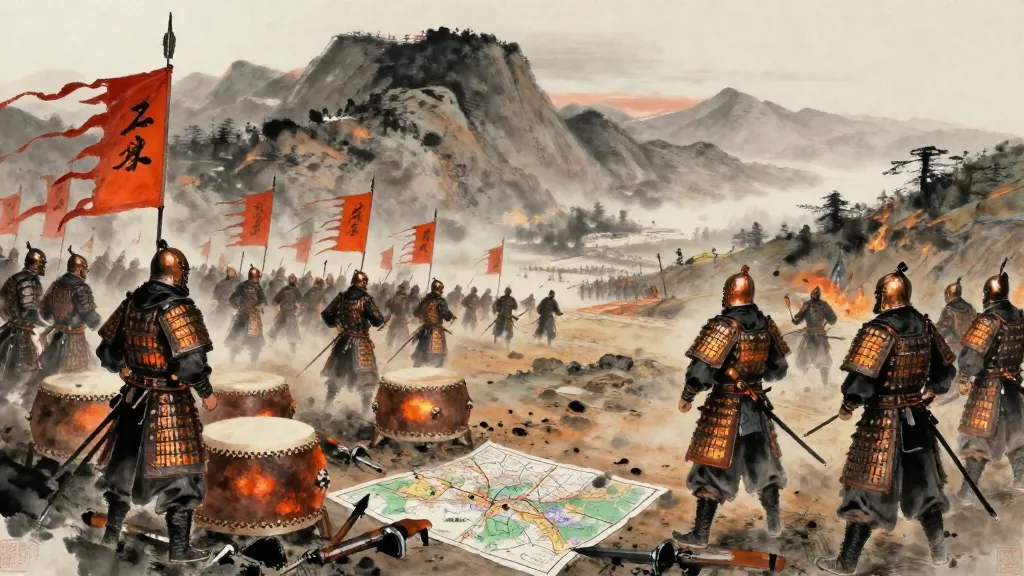
When ruler and ruled find common ground, laborers will push themselves to the limit of the balance and strive to match Ren Bi; warriors will go forth to die and aspire to be like Ben and Yu; those who uphold the Way will all harbor hearts of metal and stone, dying with the integrity of Wu Zixu.
When laborers are like Ren Bi, warriors fight like Ben and Yu, and the core is like metal and stone, then the ruler can rest on a high pillow and know his state is secure.
Notes
Ren Bi (任鄙) was a legendary strongman, traditionally associated with Qin. He represents the ideal of maximum physical exertion in service of the state.
高枕 ('high pillow') became the proverb '高枕無憂' ('resting on a high pillow without worry'). The image of the ruler sleeping peacefully because institutions function properly is the Legalist ideal of governance.