刑勝治之首,賞繁亂之本
The Supremacy of Punishment Is the Foundation of Order; Excessive Rewards Are the Root of Disorder
聖人之治民,度於本,不從其欲,期於利民而已。故其與之刑,非所以惡民,愛之本也。刑勝而民靜,賞繁而奸生。故治民者,刑勝,治之首也;賞繁,亂之本也。夫民之性,喜其亂而不親其法。故明主之治國也,明賞,則民勸功;嚴刑,則民親法。勸功,則公事不犯;親法,則奸無所萌。故治民者,禁奸於未萌;而用兵者,服戰於民心。禁先其本者治,兵戰其心者勝。聖人之治民也,先治者強,先戰者勝。夫國事務先而一民心,專舉公而私不從,賞告而奸不生,明法而治不煩。能用四者強,不能用四者弱。夫國之所以強者,政也;主之所以尊者,權也。故明君有權有政,亂君亦有權有政,積而不同,其所以立異也。故明君操權而上重,一政而國治。故法者,王之本也;刑者,愛之自也。
When the sage governs the people, he takes the fundamental as his measure, does not follow the people's desires, and seeks only to benefit them. Therefore when he applies punishments, it is not because he hates the people -- punishment is the very foundation of caring for them. When punishments prevail, the people are tranquil. When rewards are excessive, treachery arises. Therefore for one who governs the people: the prevalence of punishment is the foundation of order; the excess of rewards is the root of disorder.
The nature of the people is to delight in disorder and to feel no affinity for the law. Therefore when the enlightened ruler governs the state: clear rewards encourage the people to pursue merit; strict punishments cause the people to embrace the law. When merit is pursued, public affairs are not neglected. When the law is embraced, treachery has nowhere to sprout.
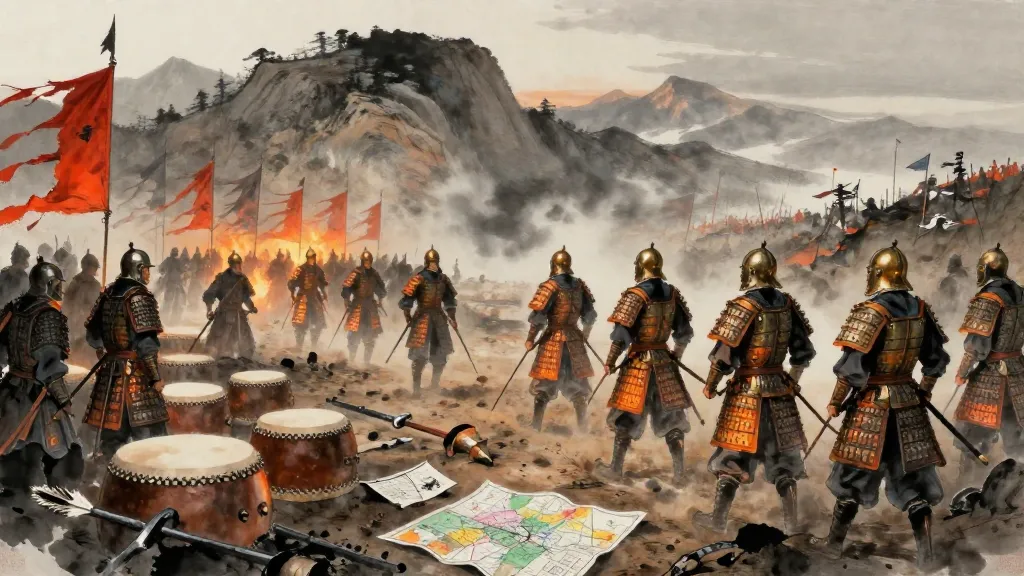
Therefore one who governs the people prohibits treachery before it sprouts. One who employs armies conquers the battle in the people's hearts. One who first addresses the root achieves order. One who first conquers the heart achieves victory.
When the sage governs the people, the one who first establishes order is strong, and the one who first conquers the heart is victorious. In state affairs, one must act preemptively and unify the people's hearts, concentrate on the public interest so that private interests do not intrude, announce rewards so that treachery does not arise, and clarify the law so that governance is not burdensome. A state that can employ these four becomes strong; one that cannot becomes weak.
What makes a state strong is its governance. What makes a ruler honored is his authority. Therefore the enlightened ruler possesses both authority and governance, and the disordered ruler also possesses both authority and governance -- yet what they accumulate differs, and therefore what they establish differs. The enlightened ruler grasps authority and the throne gains weight; he unifies governance and the state achieves order.
Therefore: the law is the foundation of kingship. Punishment is the origin of care for the people.
Notes
刑者,愛之自也 (punishment is the origin of care for the people) -- this provocative formulation inverts the Confucian association of care with benevolence. For Han Fei, true care consists in maintaining a system of punishment that prevents the disorder in which people actually suffer.
The four principles -- acting preemptively, unifying hearts, concentrating on public interest, and clarifying law -- form a compressed handbook for Legalist state-building. The emphasis on prohibition 'before sprouting' (禁奸於未萌) reflects the Legalist preference for deterrence over reaction.