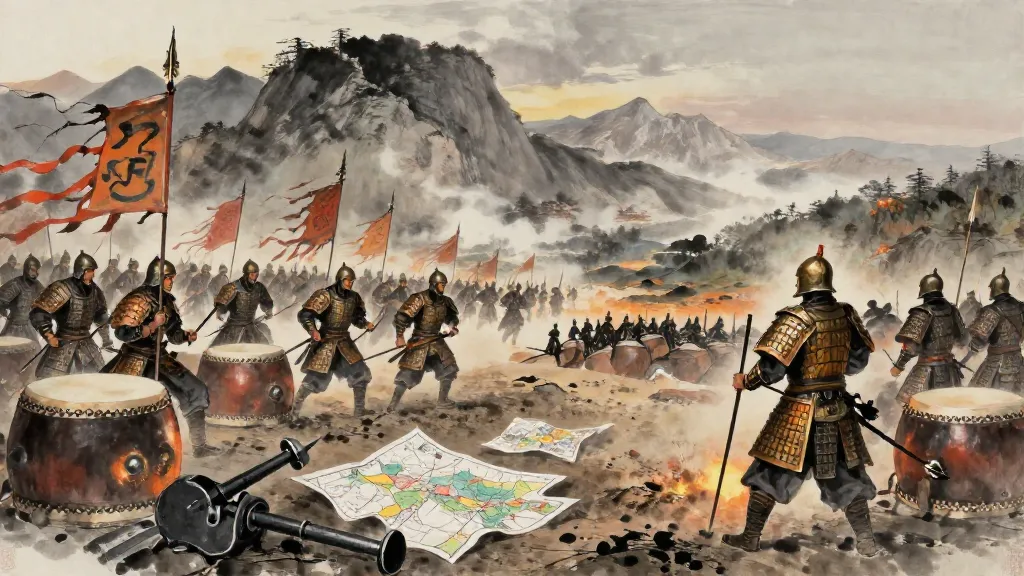
非攻(上) (Condemning Offensive Warfare, Part I) — Chinese ink painting

墨子 Mozi · Chapter 17

非攻(上)

Condemning Offensive Warfare, Part I

View:

竊桃李之喻

The Parable of Stealing Peaches and Plums

今有一人,入人園圃,竊其桃李,眾聞則非之,上為政者,得則罰之,此何也?以虧人自利也。至攘人犬豕雞豚,其不義又甚入人園圃竊桃李。是何故也?以虧人愈多,其不仁茲甚,罪益厚。至入人欄廄,取人馬牛者,其不仁義,又甚攘人犬豕雞豚,此何故也?以其虧人愈多。苟虧人愈多,其不仁茲甚,罪益厚。至殺不辜人也,拖其衣裘,取戈劍者,其不義,又甚入人欄廄取人馬牛。此何故也?以其虧人愈多。苟虧人愈多,其不仁茲甚矣,罪益厚。當此,天下之君子皆知而非之,謂之不義。今至大為攻國,則弗知非,從而譽之,謂之義。此可謂知義與不義之別乎?

Suppose there is a man who enters another's orchard and steals his peaches and plums. When the public hears of it, they condemn him; when the authorities catch him, they punish him. Why? Because he harmed others to benefit himself. When it comes to stealing another's dogs, pigs, and chickens, the unrighteousness is even greater than entering another's orchard to steal peaches and plums. Why? Because the harm to others is greater, the inhumanity is more extreme, and the guilt is heavier. When it comes to entering another's stable and taking his horses and cattle, the inhumanity and unrighteousness is even greater than stealing dogs, pigs, and chickens. Why? Because the harm to others is even greater. The greater the harm to others, the more extreme the inhumanity, and the heavier the guilt. When it comes to killing an innocent person, seizing his clothing, and taking his weapons, the unrighteousness is even greater than entering another's stable and taking horses and cattle. Why? Because the harm to others is still greater. At each of these levels, all the gentlemen of the realm recognize it and condemn it, calling it unrighteous. But now when the greatest unrighteousness of all is committed -- attacking a state -- they do not know to condemn it; instead they follow along and praise it, calling it righteous. Can this be called understanding the distinction between righteousness and unrighteousness?

Notes

1context

This famous argument by analogy is one of the most powerful anti-war passages in world philosophy. Mozi demonstrates that the moral logic people apply to small-scale theft should apply equally to large-scale warfare, exposing the inconsistency of praising military conquest.

辯義與不義之亂

The Confusion of Distinguishing Right from Wrong

殺一人,謂之不義,必有一死罪矣。若以此說往,殺十人,十重不義,必有十死罪矣;殺百人,百重不義,必有百死罪矣。當此,天下之君子皆知而非之,謂之不義。今至大為不義攻國,則弗知非,從而譽之,謂之義,情不知其不義也,故書其言以遺後世。若知其不義也,夫奚說書其不義以遺後世哉?今有人於此,小見黑曰黑,多見黑曰白,則必以此人為不知白黑之辯矣;少嘗苦曰苦,多嘗苦曰甘,則必以此人為不知甘苦之辯矣。今小為非,則知而非之;大為非攻國,則不知非,從而譽之,謂之義。此可謂知義與不義之辯乎?是以知天下之君子也,辯義與不義之亂也。

Killing one person is called unrighteous and incurs one capital crime. Extending this reasoning, killing ten people is tenfold unrighteous and incurs ten capital crimes; killing a hundred people is a hundredfold unrighteous and incurs a hundred capital crimes. At each of these levels, all the gentlemen of the realm recognize it and condemn it, calling it unrighteous. But now when the greatest unrighteousness of all is committed -- attacking a state -- they do not know to condemn it; instead they follow along and praise it, calling it righteous. They truly do not understand its unrighteousness, so they record their words to pass down to later generations. If they knew it was unrighteous, why would they record their unrighteousness to pass down to later generations? Now suppose there is a person who calls a small amount of black 'black' but calls a large amount of black 'white' -- we would surely consider this person unable to distinguish black from white. Suppose someone tastes a small amount of bitterness and calls it bitter, but tastes a large amount of bitterness and calls it sweet -- we would surely consider this person unable to distinguish sweet from bitter. Now when wrong is done on a small scale, people recognize it and condemn it; but when wrong is done on a grand scale -- attacking states -- they do not know to condemn it; instead they follow along and praise it, calling it righteous. Can this be called understanding the distinction between right and wrong? This is how I know that the gentlemen of the realm are confused about distinguishing right from wrong.

Edition & Source

Text
《墨子》 Mozi
Edition
《四部叢刊》本
Commentary
Traditional commentaries