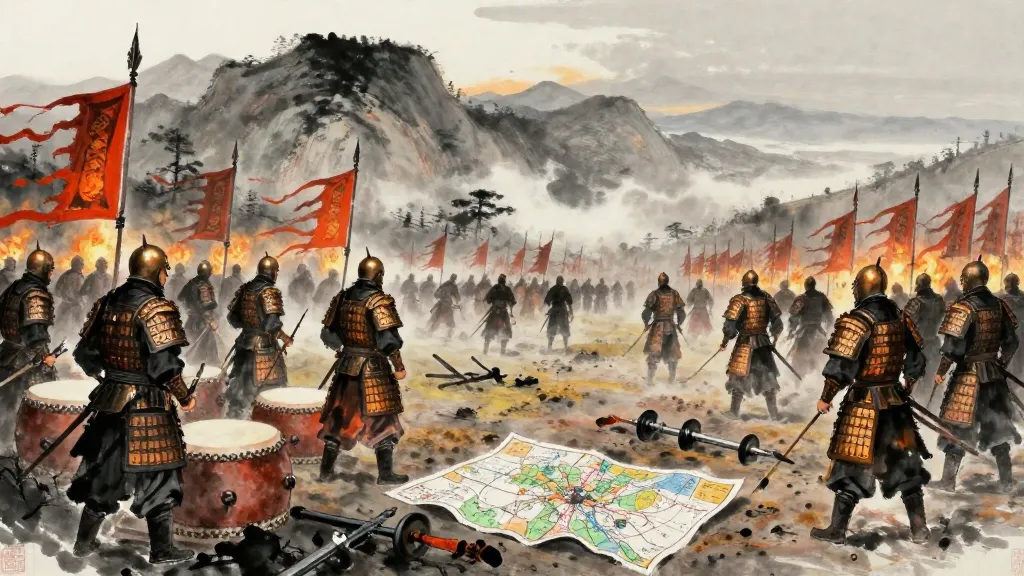
穴攻之守
Countering Tunnel Attacks
禽子再拜再拜曰:"敢問古人有善攻者,穴土而入,縛柱施火,以壞吾城,城壞,或中人為之奈何?"子墨子曰:問穴土之守邪?備穴者城內為高樓,以謹候望適人。適人為變築垣聚土非常者,若彭有水濁非常者,此穴土也。急塹城內,穴其土直之。穿井城內,五步一井,傅城足。
Qin Guli bowed twice and said: 'I venture to ask: the ancients had skilled attackers who tunneled underground, bound the support pillars and set them on fire to collapse our walls. When the walls collapsed and people were trapped inside, what should be done?'
Master Mozi said: You ask about defending against tunneling? To prepare against tunnels, build watchtowers inside the city to carefully observe the enemy. If the enemy is building walls, gathering earth abnormally, or if nearby ponds have unusually turbid water, these are signs of tunneling. Urgently dig a trench inside the city and counter-tunnel directly toward them. Dig wells inside the city, one every five paces, close to the wall's base.
Notes
The Mohist counter-tunnel system is remarkably sophisticated: wells with large buried clay jars (罌) serve as listening devices -- defenders lie with their ears to the jars to detect the vibrations of enemy tunneling, then dig counter-tunnels to intercept. This acoustic detection method was used in siege warfare well into the modern era.