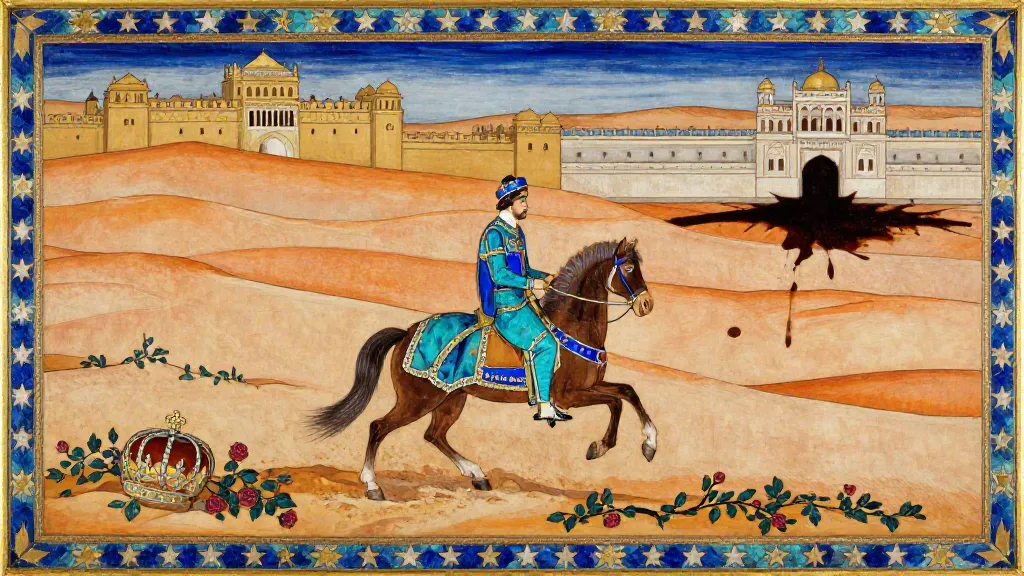
The Reign of Khosrow Parviz (Part 3) — Persian miniature painting

Shahnameh · Fall of the Sasanians

The Reign of Khosrow Parviz (Part 3)

پادشاهی خسرو پرویز ۳

View:

قتل هرمز و گریز خسرو

The Murder of Hormozd and Khosrow's Flight

زراه اندر ایوان شاه آمدند پراز رنج و دل پرگناه آمدند ز در چون رسیدند نزدیک تخت زهی از کمان باز کردند سخت فگندند ناگاه در گردنش بیاویختند آن گرامی تنش شد آن تاج و آن تخت شاهنشهان توگفتی که هرمز نبد درجهان چنین است آیین گردنده دهر گهی نوش بار آورد گاه زهر اگر مایه اینست سودش مجوی که درجستنش رنجت آید بروی چوشد گردش روز هرمز بپای تهی ماند زان تخت فرخنده جای هم آنگاه برخاست آواز کوس رخ خونیان گشت چون سندروس درفش سپهبد هم آنگه ز راه پدید آمد اندر میان سپاه جفا پیشه گستهم و بند وی تیز گرفتند زان کاخ راه گریز چنین تا بخسرو رسید این دومرد جهانجوی چون دیدشان روی زرد بدانست کایشان دو دل پر ز راز چرا از جهاندار گشتند باز برخساره شد چون گل شنبلید نکرد آن سخن بر دلیران پدید بدیشان چنین گفت کزشاه راه بگردید کامد بتنگی سپاه بیابان گزینید وراه دراز مدارید یکسر تن از رنج باز چوبهرام رفت اندر ایوان شاه گزین کرد زان لشکر کینه خواه زره‌دار و شمشیر زن سی‌هزار بدان تا شوند از پس شهریار چنین لشکری نامبردار و گرد ببهرام پور سیاوش سپرد وزان روی خسرو بیابان گرفت همی از بد دشمنان جان گرفت

They came into the king's palace by the secret way, full of pain and full of guilt. When they reached the throne they unstrung the bowstring hard, threw it suddenly around his neck, and hanged that precious body. The crown and the throne of the king of kings were finished — you would say Hormozd had never existed in this world.

Such is the way of the turning world: sometimes it bears sweet fruit, sometimes poison. If this is the capital, do not seek its profit, for in seeking it you will find only grief.

When Hormozd's day came to its end and that blessed throne stood empty, the war drums sounded at once, and the faces of the murderers turned pale as amber. The general's banner appeared on the road, visible among the army. Gostaham the treacherous and sharp-witted Banduy fled from the palace.

They reached Khosrow, these two men. When the world-seeker saw their pale faces, he knew their hearts were full of a secret — knew why they had turned away from the king. His own face went yellow as a sunflower, but he revealed nothing to the warriors around him. He told the two: "Leave the king's road. The army has closed in tight. Take to the desert and the long road. Do not spare yourselves from hardship."

When Bahram entered the king's palace, he selected from his vengeful army thirty thousand armored swordsmen to pursue the king. He entrusted this renowned force to Bahram son of Siavosh. On the other side, Khosrow took to the desert, clinging to life against the malice of his enemies.

Notes

1personهرمزHormozd

Hormozd IV (r. 579–590 AD), the Sasanian king murdered by conspirators who strangled him with a bowstring. His blinding and deposition had already occurred; this is the final act.

2personگستهم / بندویGostaham / Banduy

Gostaham and Banduy — Khosrow's maternal uncles and the very men who orchestrated Hormozd's murder. They flee to Khosrow knowing Bahram's army is coming.

3personبهرام پور سیاوشBahram son of Siavosh

Bahram son of Siavosh (not to be confused with Bahram Chobin) — a military commander entrusted with the pursuit force of thirty thousand men.

4context

Khosrow instantly understands that his uncles have murdered his father but conceals his reaction. This calculated silence — hiding horror behind tactical composure — defines his character throughout the poem.

خسرو در یزدان‌سرای و نیرنگ بندوی

Khosrow at the Christian Monastery and Banduy's Deception

چنین تا بنزد رباطی رسید سر تیغ دیوار او ناپدید کجا خواندندیش یزدان سرای پرستشگهی بود و فرخنده جای نشستنگه سوکواران بدی بدو در سکوبا و مطران بدی چنین گفت خسرو به یزدان پرست که از خوردنی چیست کاید بدست سکوبا بدو گفت کای نامدار فطیرست با تره‌ی جویبار گرای دون که شاید بدین سان خورش مبادت جز از نوشه این پرورش ز اسب اندر آمد سبک شهریار همان آنک بودند با اوسوار جهانجوی با آن دو خسرو پرست گرفت از پی و از برسم بدست بخوردند با شتاب چیزی که بود پس آنگه به زمزم بگفتند زود چنین گفت پس با سکوبا که می نداری تو ای پیرفرخنده پی بدو گفت ما می‌زخرما کنیم به تموز وهنگام گرما کنیم کنون هست لختی چو روشن گلاب به سرخی چو بیجاده در آفتاب هم آنگه بیاورد جامی نبید که شد زنگ خورشید زو ناپدید بخورد آن زمان خسرو از می سه جام می و نان کشکین که دارد بنام چو مغزش شد از باده‌ی سرخ گرم هم آنگه بخفت از بر ریگ نرم نهاد از بر ران بندوی سر روانش پر از درد و خسته جگر همان چون بخواب اندر آمد سرش سکوبای مهتر بیامد برش که از راه گردی برآمد سیاه دران گرد تیره فراوان سپاه چنین گفت خسرو که بد روزگار که دشمن بدین گونه شد خواستا ر نه مردم به کارست و نه بارگی فراز آمد آن روز بیچارگی بدو گفت بندوی بس چاره ساز که آمدت دشمن بتنگی فراز بدو گفت خسرو که ای نیک خواه مرا اندرین کار بنمای راه بدو گفت بندوی کای شهریار تو را چاره سازم بدین روزگار ولیکن فدا کرده باشم روان به پیش جهانجوی شاه جهان بدو گفت خسرو که دانای چین یکی خوب زد داستانی برین که هرکو کند بر درشاه کشت بیابد بدان گیتی اندر بهشت چو دیوار شهر اندر آمد زپای کلاته نباید که ماند بجای چو ناچیز خواهد شدن شارستان مماناد دیوار بیمارستان توگر چاره‌جویی دانی اکنون بساز هم از پاک یزدان نه‌ای بی‌نیاز بدو گفت بندوی کاین تاج زر مرا ده همین گوشوار و کمر همان لعل زرین چینی قبای چو من پوشم این را تو ایدر مپای برو با سپاهت هم اندر شتاب چو کشتی که موجش درآرد ز آب بکرد آن زمان هرچ بندوی گفت وزانجایگه گشت با باد جفت چو خسرو برفت از بر چاره جوی جهاندیده سوی سقف کرد روی که اکنون شما را بدین بر ز کوه بباید شدن ناپدید از گروه خود اندر پرستشگه آمد چو گرد بزودی در آهنین سخت کرد بپوشید پس جامه‌ی زرنگار به سر برنهاد افسر شهریار بران بام برشد نه بر آرزوی سپه دید گرد اندورن چارسوی همی‌بود تا لشکر رزمساز رسیدند نزدیک آن دژ فراز ابرپای خاست آنگه از بام زود تن خویشتن را به لشکر نمود بدیدندش از دور با تاج زر همان طوق و آن گوشوار و کمر همی‌گفت هر کس که این خسروست که با تاج و با جامه‌های نوست چو بند وی شد بی‌گمان کان سپاه همی‌بازنشناسد او را ز شاه فرود آمد و جامه‌ی خویش تفت بپوشید ناکام و بربام رفت چنین گفت کای رزمسازان نو کرا خوانم اندر شما پیش رو که پیغام دارم ز شاه جهان بگویم شنیده به پیش مهان چو پور سیاووش دیدش ببام منم پیش رو گفت بهرام نام بدو گفت گوید جهاندار شاه که من سخت پیچانم از رنج راه ستوران همه خسته و کوفته زراه دراز اندر آشوفته بدین خانه‌ی سوکواران به رنج فرود آمدستیم با یار پنج چوپیدا شود چاک روز سپید کنم دل زکار جهان ناامید بیاییم با تو به راه دراز به نزدیک بهرام گردن فراز برین برکه گفتم نجویم زمان مگر یارمندی کند آسمان نیاکان ماآنک بودند پیش نگه داشتندی هم آیین وکیش اگرچه بدی بختشان دیر ساز ز کهتر نبرداشتندی نیاز کنون آنچ ما را به دل راز بود بگفتیم چون بخت ناساز بود زرخشنده خورشید تا تیره خاک نباشد مگر رای یزدان پاک

Khosrow rode until he reached a fortress whose wall-tops vanished into the sky. They called it Yazdan-Sarai — a house of worship, a blessed place. It was a seat of mourners, home to a bishop and metropolitans.

Khosrow said to the Christian priest: "What food can be had?" The bishop answered: "O renowned lord, there is flatbread and herbs from the stream bank. If such fare is acceptable, may it nourish you well." The king dismounted quickly, and so did his riders. The world-seeker and his two loyal companions took bread and sacred herbs in hand and ate what there was in haste, then murmured prayers.

Khosrow said to the bishop: "Old man of blessed footsteps, have you no wine?" The bishop replied: "We make wine from dates in the heat of midsummer. There is some left now — clear as rosewater, red as ruby in sunlight." He brought a cup of wine that made the tarnish of the sun vanish. Khosrow drank three cups, wine and bread of kashk — what a feast to have a name. When the red wine warmed his brain, he fell asleep on the soft sand, laying his head on Banduy's lap, his soul full of pain and his liver broken.

The moment sleep took him, the head bishop came to his side: a black cloud of dust had risen from the road, and in that dark dust, a great army. Khosrow said: "Cursed times — the enemy has come hunting like this. There are no men fit for the task, no horses. The day of helplessness has arrived."

Banduy, ever the schemer, said: "The enemy has closed in. What would you have me do?" Khosrow said: "O well-wisher, show me the way." Banduy replied: "My king, I will find a way for you in this hour — but I will have sacrificed my life before the world-seeking king." Khosrow told him: "The sage of China struck a fine proverb on this point: whoever dies at the king's gate finds paradise in the next world. When the city wall falls, the outlying hamlet should not expect to stand. When the city is about to be annihilated, let not the hospital wall remain. If you know a stratagem, execute it now — but know you are not without need of God."

Banduy said: "Give me this golden crown, these earrings and this belt, this ruby-studded Chinese robe. When I put them on, do not stay here — go with your riders at speed, like a ship driven from the water by a wave." Khosrow did everything Banduy said and took off like the wind.

Once Khosrow was gone, the resourceful old man told the monks: "Get yourselves up this mountain and disappear." Then he entered the chapel like a storm, barred the iron door, put on the gold-threaded robes, and set the royal crown upon his head. He climbed to the roof — not by choice — and saw the army closing in from every direction. He waited until the battle-ready troops reached the fortress, then rose to his feet on the rampart and showed himself to the army. They saw him from a distance with the golden crown, the torque, the earrings, the belt. Everyone said: "That is Khosrow — there he is with the crown and fresh robes."

When Banduy was certain the army could not tell him from the king, he came down, quickly changed into his own clothes, and climbed back to the roof. He called out: "O you new warriors — whom among you shall I call your leader? I carry a message from the king of the world, to be spoken before your commanders."

Bahram son of Siavosh saw him on the rampart and said: "I am the leader. My name is Bahram." Banduy told him: "The king of the world says this: I am badly worn from the hardship of the road. The horses are all battered and exhausted from the long journey. I have taken shelter in this house of mourners with only five companions. When the white crack of dawn appears, I will abandon all hope of worldly affairs and come with you on the long road to Bahram the proud. On this that I have said I seek no delay — may heaven lend its aid. Our ancestors who came before us kept faith and tradition; even when fortune was slow to favor them, they never begged from inferiors. Now I have spoken the secret in our hearts, since fortune has turned against us. From the shining sun to the dark earth, nothing happens but by the will of pure God."

Notes

1placeیزدان سرایYazdan-Sarai

Yazdan-Sarai ('House of God') — a Christian monastery or fortified church along Khosrow's escape route. Ferdowsi describes it with Syriac Christian terminology.

2personسکوباSoquba (Bishop)

The Soquba (سکوبا, from Syriac 'episqopa') — the bishop of the monastery who shelters Khosrow, offering flatbread, herbs, and date wine.

3personبندویBanduy

Banduy — Khosrow's uncle who executes a body-double deception, donning the king's crown and robes to impersonate him and buy time for escape.

4context

The ruse is a classic double-bluff: Banduy first appears as 'the king' to fix the army's attention, then changes clothes and reappears as 'the king's messenger,' stalling the pursuers overnight while Khosrow rides for the Roman frontier.

5translation

Kashk (کشکین) — dried whey or curd, a staple of Persian peasant and monastic diet. 'Wine and kashk bread' underscores how far the king of kings has fallen.

فریب بندوی و خشم بهرام

Banduy's Stalling and Bahram Chobin's Fury

چو سالار بشنید زو داستان به گفتار او گشت همداستان دگر هرکه بشنید گفتار اوی پر از درد شد دل ز کردار اوی فرود آمد آن شب بدانجا سپاه همی‌داشتی رای خسرو نگاه دگر روز بندوی بربام شد ز دیوار تا سوی بهرام شد بدو گفت کامروز شاه از نماز همانا نیاید به کاری فراز چنین هم شب تیره بیدار بود پرستنده‌ی پاک دادار بود همان نیز خورشید گردد بلند زگرما نباید که یابد گزند بیاساید امروز و فردا پگاه همی‌راند اندر میان سپاه چنین گفت بهرام با مهتران که کاریست این هم سبک هم گران چو بر خسرو این کار گیریم تنگ مگر تیز گردد بیاید به جنگ بتنها تن او یکی لشکرست جهانگیر و بیدار و کنداورست وگر کشته آید به دشت نبرد برآرد ز ما نیز بهرام گرد هم آن به که امروز باشیم نیز وگر خوردنی نیست بسیار چیز مگر کو بدین هم نشان خوش منش بیاید به از جنگ وز سرزنش چنان هم همی‌بود تا شب ز کوه برآمد بگرد اندر آمد گروه سپاه اندرآمد ز هر پهلوی همی‌سوختند آتش از هر سوی چوروی زمین گشت خورشید فام سخن گوی بندوی برشد ببام ببهرام گفت ای جهاندیده مرد برانگه که برخاست از دشت گرد چو خسرو شما را بدید او برفت سوی روم با لشکر خویش تفت کنون گر تو پران شوی چون عقاب وگر برتر آری سر از آفتاب نبیند کسی شاه را جز بروم که اکنون کهن شد بران مرز وبوم کنون گر دهیدم به جان زینهار بیایم بر پهلوان سوار بگویم سخن هرچ پرسد زمن ز کمی و بیشی آن انجمن وگرنه بپوشم سلیح نبرد به جنگ اندر آیم بکردار گرد چو بهرام بشنید زو این سخن دل مرد برنا شد از غم کهن به یاران چنین گفت کاکنون چه سود اگر من برآرم ز بندوی دود همان به که او را برپهلوان برم هم برین گونه روشن روان بگوید بدو هرچ داند ز شاه اگر سر دهد گر ستاند کلاه به بندوی گفت ای بد چاره‌جوی تو این داوریها ببهرام گوی فرود آمد از بام بندوی شیر همی‌راند با نامدار دلیر

The commander heard his speech and agreed with his words. Everyone who heard him felt their hearts ache at his situation. The army camped there that night and kept watch in accordance with the king's wishes.

The next day Banduy climbed to the roof again and called down to Bahram: "Today the king will not come out from his prayers. He was awake through the dark night, worshipping the pure Creator. And the sun will climb high — he must not take harm from the heat. Let him rest today, and tomorrow at dawn he will ride out among the army."

Bahram said to his commanders: "This is a matter both light and heavy. If we press Khosrow hard, he may turn fierce and come out fighting. Alone, that man is an army unto himself — a world-conqueror, sharp, and a champion. And if he is killed on the field of battle, Bahram Chobin will raise hell with us too. Better to wait another day, even if there is not much food. Perhaps he will come out in the same agreeable spirit — that would be better than war and reproach."

So they waited through another day until night rose from the mountain and the camp settled in. The army closed in from every side, burning fires all around. When the face of the earth turned the color of the sun, the smooth-talking Banduy climbed to the roof again.

He told Bahram: "O world-experienced man — when the dust first rose from the plain and Khosrow saw your army, he left. He has gone to Roman territory with his own force at speed. Now even if you flew like an eagle or raised your head above the sun, no one will see the king except in Rome, where he has already settled on that frontier. If you grant me safe conduct, I will come before your mounted general and tell him whatever he asks — the strengths and weaknesses of that company. If not, I will put on battle armor and come out fighting like a storm."

When Bahram heard these words, the young man's heart grew old with grief. He told his companions: "What good would it do now if I destroy Banduy? Better to bring him before the general with his spirit intact. He will tell Bahram whatever he knows about the king — whether it costs him his head or wins him a crown."

He called up to Banduy: "You scheming wretch — save your arguments for Bahram himself." Banduy the lion came down from the roof and rode alongside the renowned warrior.

Notes

1context

Banduy's stalling tactics — claiming the king is praying, then too hot to travel — buy roughly 36 hours. Each excuse is calibrated to sound plausible to a pious army that would not violate a king at worship.

2personبهرام پور سیاوشBahram son of Siavosh

Bahram son of Siavosh shows surprisingly cautious judgment here, recognizing that cornering Khosrow could provoke a fight that would anger Bahram Chobin if the king were killed.

3context

Banduy's final reveal is a masterpiece of negotiation: he admits the deception but immediately offers intelligence value, making himself too useful to kill. He also keeps an implied threat — he will fight if not given safe passage.

بهرام چوبین بندوی را زندانی می‌کند و شورای بزرگان

Bahram Chobin Imprisons Banduy and the Council of Nobles

چوبشنید بهرام کامد سپاه سوی روم شد خسرو کینه خواه زپور سیاوش بر آشفت سخت بدو گفت کای بدرگ شوربخت نه کار تو بود اینک فرمودمت همی بی‌هنر خیره بستودمت جهانجوی بندوی را پیش خواند همی خشم بهرام با او براند بدو گفت کای بدتن بدکنش فریبنده مرد از در سرزنش سپاه مرا خیره بفریفتی زبد گوهر خویش نشکیفتی تو با خسرو شوم گشتی یکی جهاندیده یی کردی از کودکی کنون آمدی با دلی پر سخن که من نو کنم روزگار کهن بدو گفت بندوی کای سرفراز زمن راستی جوی و تندی مساز بدان کان شهنشاه خویش منست بزرگیش ورادیش پیش منست فداکردمش جان وبایست کرد تو گر مهتری گرد کژی مگرد بدو گفت بهرام من زین گناه که کردی نخواهمت کردن تباه ولیکن تو هم کشته بر دست اوی شوی زود و خوانی مرا راست گوی نهادند بر پای بندوی بند ببهرام دادش ز بهر گزند همی‌بود تا خور شد اندر نهفت بیامد پر اندیشه دل بخفت چو خورشید خنجر کشید از نیام پدید آمد آن مطرف زردفام فرستاد و گردنکشان را بخواند برتخت شاهی به زانو نشاند بهرجای کرسی زرین نهاد چوشاهان پیروز بنشست شاد چنین گفت زان پس به بانگ بلند که هرکس که هست ازشما ارجمند ز شاهان ز ضحاک بتر کسی نیامد پدیدار بجویی بسی که از بهر شاهی پدر را بکشت وزان کشتن ایرانش آمد بمشت دگر خسرو آن مرد بیداد و شوم پدر را بکشت آنگهی شد بروم کنون ناپدیدست اندر جهان یکی نامداری ز تخت مهان که زیبا بود بخشش و بخت را کلاه و کمر بستن وتخت را که دارید که اکنون ببندد میان بجا آورد رسم و راه کیان بدارنده‌ی آفتاب بلند که باشم شما را بدین یارمند شنیدند گردنکشان این سخن که آن نامور مهتر افکند بن نپیچید کس دل ز گفتار راست یکی پیرتر بود بر پای خاست کجا نام او بود شهران گراز گوی پیرسر مهتری دیریاز چنین گفت کای نامدار بلند توی در جهان تابوی سودمند بدی گر نبودی جز از ساوه شاه که آمد بدین مرز ما با سپاه ز آزادگان بندگان خواست کرد کجا در جهانش نبد هم نبرد ز گیتی بمردی تو بستی میان که آن رنج بگذشت ز ایرانیان سپه چاربار از یلان سدهزار همه گرد و شایسته‌ی کارزار بیک چوبه تیر تو گشتند باز برآسود ایران ز گرم و گداز کنون تخت ایران سزاوار تست برین برگوا بخت بیدارتست

When Bahram Chobin learned that the army had come back and Khosrow had fled to Roman territory, he exploded at Bahram son of Siavosh: "You wretched, ill-starred fool — this was not what I ordered you to do. I praised you for nothing; you have no ability."

He summoned Banduy and unleashed his fury. "You foul-bodied, foul-acting deceiver, you man of tricks and insults — you bamboozled my army. You could not restrain your wretched nature. You threw in with that accursed Khosrow, played the elder statesman over a child's game. Now you come to me with a heart full of speeches, thinking you can make old times new again."

Banduy answered: "O proud lord, seek truth from me and do not make anger. Know that the king of kings is my kinsman. His greatness and his generosity stand before me. I sacrificed my life for him, as I was bound to do. If you are a leader, do not traffic in crookedness."

Bahram said: "For this crime you committed, I will not destroy you — but you will soon enough be killed by his own hand, and then you will call me a truth-teller." They put Banduy in chains and handed him over for punishment.

He remained imprisoned until the sun went into hiding and he slept with a heart full of thought. When the sun drew its dagger from its sheath and that golden-edged cloak appeared, Bahram sent for the great men and seated them on their knees before the royal throne. He placed golden chairs everywhere and sat like a victorious king, pleased with himself.

Then he spoke in a loud voice: "Among all of you who are noble — search as you may, no king worse than Zahhak has ever appeared, who murdered his own father for the sake of kingship, and through that murder brought Iran into his fist. And now Khosrow, that unjust and accursed man, has murdered his father and fled to Rome. There is no one now visible in the world, no renowned man from the royal throne, who would be worthy of the gift and fortune of kingship, fit to gird the belt and mount the seat. Who among you is there who would now gird his waist and restore the customs and the way of the Kayanids? By the Keeper of the exalted sun, I will support you in this."

The grandees heard this speech — the famous lord laying the foundation. No one's heart turned from the honest truth of his words. One man, the eldest, rose to his feet. His name was Shahran Goraz — an old warrior, a lord of long tenure.

He said: "O exalted and renowned one — it is you in this world who have been of service. Even if it were the Saveh Shah alone, who came to this realm of ours with his army and sought to make slaves of free men, who had no equal in the world — it was you who girded your waist in valor and lifted that burden from the Iranians. An army four times over, a hundred thousand champions, all warriors fit for battle — they turned back at one arrow of yours. Iran found rest from fire and torment. Now the throne of Iran is yours by right — and beyond that, your fortune is the most awake."

Notes

1personبهرام چوبینBahram Chobin

Bahram Chobin (Bahram VI), the Mihranid general who now convenes a formal council to legitimize seizing the throne. His speech is a calculated political performance.

2personشهران گرازShahran Goraz

Shahran Goraz — an elderly nobleman who endorses Bahram's claim to the throne, citing his victory over the Saveh Shah as proof of merit over lineage.

3context

Bahram's rhetoric equates Khosrow with Zahhak, the archetypal tyrant-patricide of Persian myth. The accusation that Khosrow 'murdered his father' is technically a stretch — Gostaham and Banduy killed Hormozd — but politically effective.

4context

Bahram frames his question as an open invitation ('who among you is worthy?') while making the answer obvious. It is a staged nomination process — the ancient Iranian equivalent of a rigged convention.

سخنرانی بزرگان و تاجگذاری بهرام

The Speeches of the Nobles and Bahram's Coronation

کسی کوبرین نیست همداستان اگر کژ باشید اگر راستان بفرمانش آریم اگر چه گوست و گر داستان را همه خسروست بگفت این و بنشست بر جای خویش خراسان سپهبد بیامد به پیش چنین گفت کاین پیر دانش پژوه که چندین سخن گفت پیش گروه بگویم که او از چه گفت این سخن جهانجوی و داننده مرد کهن که این نیکویها ز تو یاد کرد دل انجمن زین سخن شاد کرد ولیکن یکی داستانست نغز اگر بشنود مردم پاک مغز که زر دشت گوید باستا و زند که هرکس که از کردگاربلند بپیچد بیک سال پندش دهید همان مایه‌ی سودمندش دهید سرسال اگر بازناید به راه ببایدش کشتن بفرمان شاه چو بر دادگر شاه دشمن شود سرش زود باید که بی‌تن شود خراسان بگفت این و لب راببست بیامد بجایی که بودش نشست ازان پس فرخ زاد برپای خاست ازان انجمن سر برآورد راست چنین گفت کای مهتر سودمند سخن گفتن داد به گر پسند اگر داد بهتر بود کس مباد که باشد به گفتار بی‌داد شاد ببهرام گوید که نوشه بدی جهان را بدیدار توشه بدی اگر ناپسندست گفتار ما بدین نیست پیروزگر یارما انوشه بدی شاد تاجاودان زتو دور دست و زبان بدان بگفت این و بنشست مرد دلیر خزروان خسرو بیامد چو شیر بدو گفت اکنون که چندین سخن سراینده برنا و مرد کهن سرانجام اگر راه جویی بداد هیونی برافگن بکردار باد ممان دیر تا خسرو سرفراز بکوبد بنزد تو راه دراز ز کار گذشته به پوزش گرای سوی تخت گستاخ مگذار پای که تا زنده باشد جهاندار شاه نباشد سپهبد سزاوار گاه وگر بیم داری ز خسرو به دل پی از پارس وز طیسفون برگسل بشهر خراسان تن آسان بزی که آسانی و مهتری را سزی به پوزش یک اندر دگر نامه ساز مگر خسرو آید برای تو باز نه برداشت خسرو پی از جای خویش کجا زاد فرخ نهد پای پیش سخن گفت پس زاد فرخ بداد که‌ای نامداران فرخ نژاد شنیدم سخن گفتن مهتران که هستند ز ایران گزیده سران نخستین سخن گفتن بنده وار که تا پهلوانی شود شهریار خردمند نپسندد این گفت وگوی کزان کم شود مرد راآب روی خراسان سخن برمنش وار گفت نگویم که آن با خرد بود جفت فرخ زاد بفزود گفتار تند دل مردم پرخرد کرد کند چهارم خزروان سالاربود که گفتار او با خرد یاربود که تا آفرید این جهان کردگار پدید آمد این گردش روزگار ز ضحاک تازی نخست اندرآی که بیدادگر بود و ناپاک رای که جمشید برتر منش را بکشت به بیداد بگرفت گیتی بمشت پر از درد دیدم دل پارسا که اندر جهان دیو بد پادشا دگر آنک بد گوهر افراسیاب ز توران بدانگونه بگذاشت آب بزاری سر نوذر نامدار بشمشیر ببرید و برگشت کار سدیگر سکندر که آمد ز روم به ایران و ویران شد این مرز وبوم چو دارای شمشیر زن را بکشت خور و خواب ایرانیان شد درشت چهارم چو ناپاک دل خوشنواز که گم کرد زین بوم و بر نام و ناز چو پیروز شاهی بلند اختری جهاندار وز نامداران سری بکشتند هیتالیان ناگهان نگون شد سرتخت شاه جهان کس اندر جهان این شگفتی ندید که اکنون بنوی به ایران رسید که بگریخت شاهی چوخسرو زگاه سوی دشمنان شد ز دست سپاه بگفت این و بنشست گریان بدرد ز گفتار او گشت بهرام زرد

Shahran Goraz continued: "Whoever disagrees with this — whether you are crooked or straight — we will bring him to obedience by force, even if he is a champion, even if he fancies himself a king." He sat down.

The Khorasan general came forward and said: "This knowledge-seeking elder who spoke at such length before the assembly — I will tell you why he said what he said, this world-seeking, knowing old man. He praised your achievements and made the assembly's heart glad. But there is one fine proverb, if a man of clear mind will hear it: Zoroaster says in the Avesta and the Zand that whoever turns away from the exalted Creator, counsel him for a year and give him every useful aid. At the year's end, if he has not returned to the path, he must be killed by the king's command. And whoever becomes the enemy of a just king — his head must quickly be parted from his body." The Khorasan general said this, sealed his lips, and returned to his seat.

Then Farrokhzad rose to his feet and raised his head above the assembly. He said: "O worthy lord — the speech of justice is better if it pleases. If justice is truly better, then let no one take pleasure in the speech of injustice. To Bahram he says: may you live forever. The world was nourished by the sight of you. If our words are not to your liking, then the Victorious One is not our ally in this. May you live happy and joyful forever, and may the hand and tongue of the wicked be far from you." The brave man spoke and sat down.

Khazarvan the commander came forward like a lion. He said: "Now that so many words have been spoken by young singers and old men — in the end, if you seek the path of justice, mount a camel swift as the wind. Do not wait long before Khosrow the proud beats the long road back to you. Turn to apology for what is past. Do not set your foot boldly toward the throne, for as long as the world-holding king lives, a general is not worthy of the seat. And if you fear Khosrow in your heart, cut your ties from Fars and from Ctesiphon. Live at ease in the cities of Khorasan, for you deserve comfort and lordship. Write letter after letter of apology — perhaps Khosrow will come around to your way of thinking."

Khosrow did not move from his place. Then Zad Farrokh stepped forward and spoke justly: "O renowned men of noble stock — I heard the speeches of the lords, the chosen leaders of Iran. The first speech was servile talk, proposing that a general become king. No wise man would approve such a conversation, which diminishes a man's honor. The Khorasan general spoke with spirit, though I will not say his words were wedded to wisdom. Farrokhzad added sharp words that blunted the hearts of reasonable men."

The fourth was Khazarvan the commander, whose words were allied with reason. He said: "Since God created this world and the turning of time appeared, consider first the Arab Zahhak, who was unjust and foul of purpose — who murdered the noble Jamshid and seized the world by tyranny. I saw the heart of the pious fill with pain when a demon ruled the world. Next, the evil-natured Afrasiyab, who crossed the waters from Turan in that fashion and in misery cut the head of the renowned Nowzar with a sword, and affairs were overturned. Third, Alexander, who came from Rome to Iran and laid waste to this realm — who killed Dara the swordsman, and the food and sleep of Iranians became harsh. Fourth, the foul-hearted Khoshnawaz, who erased the name and honor of this land — when Peroz, a king of high stars, a world-holder and chief among the renowned, was killed suddenly by the Hephthalites, and the throne of the king of the world was overturned. No one in the world has ever seen the marvel that has now come upon Iran anew: that a king like Khosrow should flee from his throne and go toward his enemies, driven from his own army."

He said this and sat down weeping in grief. Bahram's face went pale at his words.

Notes

1personخراسان سپهبدKhorasan Sepahbod

The Khorasan general (خراسان سپهبد) — unnamed military governor of Khorasan who quotes Zoroastrian law to implicitly warn Bahram: rebellion against a just king is punishable by death.

2personفرخ زادFarrokhzad

Farrokhzad — a nobleman who offers diplomatic praise to Bahram while subtly withholding endorsement of his kingship.

3personخزروانKhazarvan

Khazarvan — the boldest voice in the council, who directly tells Bahram to apologize to Khosrow, retreat to Khorasan, and abandon his claim to the throne.

4personزاد فرخZad Farrokh

Zad Farrokh — a nobleman who delivers the sharpest critique, ranking each speaker's wisdom and dismissing the first as 'servile talk.'

5context

Khazarvan's catalogue of Iran's great catastrophes — Zahhak, Afrasiyab, Alexander, Khoshnawaz — places Khosrow's flight as the fifth disaster, but pointedly does NOT name Bahram as the cause. The tears and Bahram's pallor suggest he understood the implication.

6personخوشنوازKhoshnawaz

Khoshnawaz — the Hephthalite king who killed the Sasanian king Peroz I (r. 459–484 AD) in battle, a national trauma that resonates with the current crisis.

تاجگذاری بهرام، زندانی شدن بندوی و گریز خسرو به باهله

Bahram's Coronation, Banduy's Escape, and Khosrow's Flight to the Euphrates

جهاندیده سنباد برپای جست میان بسته وتیغ هندی بدست چنین گفت کاین نامور پهلوان بزرگست و با داد و روشن روان کنون تاکسی از نژادکیان بیاید ببندد کمر بر میان هم آن به که این برنشیند بتخت که گردست و جنگاور و نیک بخت سرجنگیان کاین سخنها شنید بزد دست و تیغ از میان برکشید چنین گفت کز تخم شاهان زنی اگر باز یابیم در بر زنی ببرم سرش را بشمشیر تیز زجانش برآرم دم رستخیز نمانم که کس تاجداری کند میان سواران سورای کند چوبشنید با بوی گرد ارمنی که سالار ناپاک کرد آن منی کشیدند شمشیر و برخاستند یکی نو سخن دیگر آراستند که بهرام شاهست و ماکهتریم سر دشمنان را بپی بسپریم کشیده چو بهرام شمشیر دید خردمندی و راستی برگزید چنین گفت کانکو ز جای نشست برآید بیازد به شمشیر دست ببرم هم اندر زمان دست اوی هشیوار گردد سرت مست اوی بگفت این و از پیش آزادگان بیامد سوی گلشن شادگان پراگنده گشت آن بزرگ انجمن همه رخ پر آژنگ و دل پرشکن چوپیدا شد آن چادر قیرگون درفشان شد اختر بچرخ اندرون چو آواز دارنده‌ی پاس خاست قلم خواست بهرام و قرطاس خواست بیامد دبیر خردمند و راد دوات و قلم پیش دانا نهاد بدو گفت عهدی ز ایرانیان بباید نوشتن برین پرنیان که بهرام شاهست و پیروزبخت سزاوار تاج است و زیبای تخت نجوید جز از راستی درجهان چه در آشکار و چه اندر نهان نوشته شد آن شمع برداشتند شب تیره باندیشه بگذاشتند چو پنهان شد آن چادر لاژورد جهان شد ز دیدار خورشید زرد بیامد یکی مرد پیروزبخت نهاد اندر ایوان بهرام تخت برفتند ایوان شاهی چو عاج بیاویختند از برگاه تاج برتخت زرین یکی زیرگاه نهادند و پس برگشادند راه نشست از بر تخت بهرامشاه به سر برنهاد آن کیانی کلاه دبیرش بیاورد عهد کیان نوشته بران پربها پرنیان گوایی نوشتند یکسر مهان که بهرام شد شهریار جهان بران نامه چون نام کردند یاد بروبر یکی مهر زرین نهاد چنین گفت کاین پادشاهی مراست بدین بر شما پاک یزدان گواست چنین هم بماناد سالی هزار که از تخمه‌ی من بود شهریار پسر بر پسر هم چنین ارجمند بماناد با تاج و تخت بلند بذر مه اندر بد و روز هور که از شیر پر دخته شد پشت گور چنین گفت زان پس بایرانیان که برخاست پرخاش و کین از میان کسی کوبرین نیست همداستان اگر کژ باشید اگر راستان به ایران مباشید بیش از سه روز چهارم چو از چرخ گیتی فروز بر آید همه نزد خسرو شوید برین بوم و بر بیش ازین مغنوید نه از دل برو خواندند آفرین که پردخته از تو مبادا زمین هرآنکس که با شاه پیوسته بود بران پادشاهی دلش خسته بود برفتند زان بوم تا مرز روم پراگنده گشتند ز آباد بوم همی‌بود بندوی بسته چو یوز به زندان بهرام هفتاد روز نگهبان بندوی بهرام بود کزان بند او نیک ناکام بود ورا نیز بندوی بفریفتی ببند اندر از چاره نشکیفتی که از شاه ایران مشو ناامید اگر تیره شد روز گردد سپید اگرچه شود بخت او دیرساز شود بخت پیروز با خوشنواز جهان آفرین برتن کیقباد ببخشید و گیتی بدو باز داد نماند به بهرام هم تاج وتخت چه اندیشد این مردم نیک بخت ز دهقان نژاد ایچ مردم مباد که خیره دهد خویشتن رابباد بانگشت بشمر کنون تا دوماه که از روم بینی به ایران سپاه بدین تاج و تخت آتش اندرزنند همه ز یورش بر سرش بشکنند بدو گفت بهرام گر شهریار مرا داد خواهد به جان زینهار زپند توآرایش جان کنم همه هرچ گویی توفرمان کنم یکی سخت سوگند خواهم بماه به آذرگشسپ و بتخت و کلاه که گر خسرو آید برین مرز وبوم سپاه آرد از پیش قیصر ز روم به خواهی مرا زو به جان زینهار نگیری تو این کار دشوار خوار ازو بر تن من نیاید زیان نگردد به گفتار ایرانیان بگفت این و پس دفتر زند خواست به سوگند بندوی رابند خواست چو بندوی بگرفت استا و زند چنین گفت کز کردگار بلند مبیناد بندوی جز درد ورنج مباد ایمن اندر سرای سپنج که آنگه که خسرو بیاید زجای ببینم من او را نشینم ز پای مگر کو به نزد تو انگشتری فرستد همان افسر مهتری چوبشنید بهرام سوگند او بدید آن دل پاک و پیوند او بدو گفت کاکنون همه راز خویش بگویم بر افرازم آواز خویش بسازم یکی دام چوبینه را بچاره فراز آورم کینه را به زهراب شمشیر در بزمگاه بکوشش توانمش کردن تباه بدریای آب اندرون نم نماند که بهرام را شاه بایست خواند بدو گفت بندوی کای کاردان خردمند و بیدار و بسیاردان بدین زودی اندر جهاندار شاه بیاید نشیند برین پیشگاه تودانی که من هرچ گویم بدوی نپیچد ز گفتار این بنده روی بخواهم گناهی که رفت از تو پیش ببخشد به گفتار من تاج خویش اگر خود برآنی که گویی همی به دل رای کژی نجویی همی ز بند این دو پای من آزاد کن نخستین ز خسرو برین یادکن گشاده شود زین سخن راز تو بگوش آیدش روشن آواز تو چو بشنید بهرام شد تازه روی هم اندر زمان بند برداشت زوی

The world-wise Sinbad sprang to his feet, waist girded and Indian sword in hand. He declared: "This renowned champion is great, just, and clear-souled. Until someone of the Kayanid line comes and girds his waist, it is best that this man take the throne — he is a warrior, a fighter, and blessed by fortune."

The chief of the warriors heard these words, clapped his hand to his sword, and drew it. He said: "If we find a single woman of the royal line, I will embrace her. But I will cut the head from any man of royal blood with this sharp sword and bring the Day of Judgment upon his soul. I will not allow anyone to play king or strut among the horsemen."

When the Armenian warrior Babuya heard the commander's foul arrogance, they drew their swords and rose, fashioning a new declaration: "Bahram is king and we are his servants. We will trample the heads of his enemies underfoot." When Bahram saw the drawn swords, he chose the path of prudence and honesty. He said: "Whoever rises from his seat and reaches for a sword — I will cut his hand off on the spot. His drunken head will become sober." He said this and left the assembly of nobles, walking toward the garden of joy. The great assembly broke apart, every face creased with wrinkles, every heart full of fracture.

When the pitch-black curtain of night appeared and the stars blazed on the turning sphere, and the watchman's cry went up, Bahram called for pen and paper. A wise and noble secretary came and set ink and pen before the learned man. Bahram told him: "A covenant from the Iranians must be written on this silk: that Bahram is king and blessed by fortune, worthy of the crown and fit for the throne, that he seeks nothing but justice in the world, whether openly or in secret." It was written. They raised the candles and passed the dark night in thought.

When the azure curtain was hidden and the world turned yellow with the sight of the sun, a man of good fortune came and set a throne in Bahram's hall. They prepared the ivory royal court, hung the crown above the dais, placed a cushion on the golden throne, and opened the way. Bahram the king sat upon the throne and placed the Kayanid crown upon his head. His secretary brought the royal covenant written on that precious silk. All the grandees signed as witnesses that Bahram had become king of the world. When names had been recorded on that document, a golden seal was set upon it.

Bahram declared: "This kingship is mine. God is your witness to this. May it endure a thousand years, and from my seed may there be kings, son after son, noble, with crown and exalted throne." Then he said to the Iranians: "Conflict and enmity are now past. Whoever does not agree — whether crooked or straight — you have no more than three days in Iran. On the fourth, when the world-lighting sun rises, go to Khosrow. Do not remain on this soil any longer."

They did not bless him from the heart. Everyone connected to the old king was wounded by this new reign. They departed that land for the Roman frontier, scattered from the settled country.

Banduy remained chained like a hunting cheetah in Bahram's prison for seventy days. His guard was a man named Bahram, who was deeply unhappy with the prisoner's captivity. Banduy worked on him ceaselessly, never resting from schemes even in chains: "Do not lose hope in the king of Iran. If the day has darkened, it will turn bright again. Even if his fortune is slow to form, fortune will triumph. The Creator of the world bestowed his grace upon Kay Qobad and gave the world back to him. Crown and throne will not remain with Bahram either. What is this lucky man thinking? Let no man of noble stock throw himself away for nothing. Count on your fingers: within two months you will see an army from Rome in Iran. They will set fire to this crown and throne and smash everything in their assault upon his head."

The guard Bahram said: "If the king will grant me safe conduct, I will adorn my soul with your counsel and obey everything you say. But I want a hard oath — by the moon, by the fire-temple of Azargoshasp, by the throne and the crown — that if Khosrow returns to this realm with an army from the Caesar in Rome, you will beg him to spare my life. Do not treat this hard matter lightly. No harm must come to me from him, regardless of what the Iranians say."

Banduy swore the oath: "May Banduy see nothing but pain and grief, may he find no safety in this fleeting inn, if — when Khosrow comes — I see him and do not fall at his feet, unless he first sends you his signet ring and the lordly crown." When Bahram the guard heard his oath and saw his pure heart and loyalty, he said: "Now I will tell you all my secrets and raise my voice. I will fashion a trap for Chobin and bring my vengeance to fruition by cunning. With a poisoned sword at a banquet I can destroy him. There is no moisture left in the ocean — and yet they must call Bahram king."

Banduy said: "O capable, wise, alert, and knowing man — the world-holding king will come soon and sit upon this very dais. You know that whatever I say to him, he will not turn away from this servant's words. I will ask pardon for your past offenses, and at my word he will grant his crown. If you truly mean what you say, if in your heart you seek no crookedness, free my two feet from these chains. First, let Khosrow know of this. Your secret will be unlocked, and your clear voice will reach his ear." When Bahram the guard heard this, his face brightened, and at once he removed the chains.

Notes

1personسنبادSinbad

Sinbad (سنباد) — a nobleman who formally nominates Bahram Chobin for the throne as a placeholder 'until a Kayanid prince arrives,' providing legal cover for the usurpation.

2personبابوی ارمنیBabuya the Armenian

Babuya the Armenian (با بوی گرد ارمنی) — an Armenian warrior who leads the sword-drawn acclamation of Bahram as king.

3context

The coronation follows ancient Iranian protocol: a written covenant (عهد) on silk, signed and sealed by the nobility, formally transfers sovereignty. Bahram's dynasty-founding declaration ('son after son for a thousand years') echoes Sasanian royal formulae.

4context

Bahram's three-day ultimatum to royalist nobles is both merciful and strategic: he avoids mass executions that would delegitimize his reign, while purging potential conspirators. Those who leave for Roman territory will form the nucleus of Khosrow's counter-invasion force.

5personبهرام (نگهبان)Bahram (the guard)

Banduy's guard Bahram (not Bahram Chobin) — a jailer who is persuaded to defect by Banduy's promises of royal pardon. His demand for an oath on the Azargoshasp fire-temple shows the gravity of his betrayal.

6placeآذرگشسپAzargoshasp

Azargoshasp (آذرگشسپ) — one of the three great Zoroastrian fire temples of Sasanian Iran, located near Lake Urmia. Swearing by it was the most solemn oath available.

توطئه‌ی ناکام و گریز بندوی تا فرات

The Failed Plot, Banduy's Escape, and Khosrow's Flight to the Euphrates

چو روشن شد آن چادر مشک رنگ سپیده بدو اندر آویخت چنگ ببندوی گفت ارث دلم نشکند چو چوبینه امروز چوگان زند سگالیده‌ام دوش با پنج یار که از تارک او برآرمم دمار چوشد روز بهرام چوبینه روی به میدان نهاد و بچوگان و گوی فرستاده آمد ز بهرام زود به نزدیک پور سیاوش چودود زره خواست و پوشید زیرقبای ز درگاه باسپ اندر آورد پای زنی بود بهرام یل را نه پاک که بهرام را خواستی زیر خاک به دل دوست بهرام چوبینه بود که از شوی جانش پر از کینه بود فرستاد نزدیک بهرام کس که تن را نگه دار و فریاد رس که بهرام پوشید پنهان زره برافگند بند زره را گره ندانم که در دل چه دارد ز بد تو زو خویشتن دور داری سزد چو بشنید چو بینه گفتار زن که با او همی‌گفت چوگان مزن هرآنکس که رفتی به میدان اوی چو نزدیک گشتی بچوگان و گوی زدی دست بر پشت اونرم نرم سخن گفتن خوب و آواز گرم چنین تا به پور سیاوش رسید زره در برش آشکارا بدید بدو گفت ای بتر از خار گز به میدان که پوشد زره زیر خز بگفت این و شمشیر کین برکشید سراپای او پاک بر هم درید چوبندوی زان کشتن آگاه شد برو تابش روز کوتاه شد بپوشید پس جوشن و برنشست میان یلی لرزلرزان ببست ابا چند تن رفت لرزان به راه گریزان شد از بیم بهرامشاه گرفت او ازان شهر راه گریز بدان تا نبینند ازو رستخیز به منزل رسیدند و بفزود خیل گرفتند تازان ره اردبیل زمیدان چو بهرام بیرون کشید همی دامن ازخشم در خون کشید ازان پس بفرمود مهر وی را که باشد نگهدار بندوی را ببهرام گفتند کای شهریار دلت را ببندوی رنجه مدار که اوچون ازین کشتن آگاه شد همانا که با باد همراه شد پشیمان شد از کشتن یار خویش کزان تیره دانست بازار خویش چنین گفت کنکس که دشمن ز دوست نداند مبادا ورا مغز و پوست یکی خفته بر تیغ دندان پیل یکی ایمن از موج دریای نیل دگر آنک بر پادشا شد دلیر چهارم که بگرفت بازوی شیر ببخشای برجان این هر چهار کزیشان بپیچد سر روزگار دگر هرک جنباند او کوه را بران یارگر خواهد انبوه را تن خویشتن را بدان رنجه داشت وزان رنج تن باد در پنجه داشت بکشتی ویران گذشتن برآب به آید که بر کارکردن شتاب اگر چشمه خواهی که بینی بچشم شوی خیره زو بازگردی بخشم کسی راکجا کور بد رهنمون بماند به راه دراز اندرون هرآنکس که گیرد بدست اژدها شد او کشته و اژدها زو رها وگر آزمون را کسی خورد زهر ازان خوردنش درد و مرگست بهر نکشتیم بندوی را از نخست ز دستم رها شد در چاره جست برین کرده خویش باید گریست ببینیم تا رای یزدان بچیست وزان روی بندوی و اندک سپاه چوباد دمان بر گرفتند راه همی‌برد هرکس که بد بردنی براهی که موسیل بود ارمنی بیابان بی‌راه و جای دده سرا پرده یی دید جایی زده نگه کرد موسیل بود ارمنی هم آب روان یافت هم خوردنی جهان جوی بندوی تنها برفت سوی خیمه‌ها روی بنهاد تفت چو مو سیل را دید بردش نماز بگفتند با او زمانی دراز بدو گفت موسیل زایدر مرو که آگاهی آید تو را نوبنو که در روم آباد خسرو چه کرد همی آشتی نو کند گر نبرد چو بشنید بندوی آنجا بماند وزان دشت یاران خود رابخواند همی‌تاخت خسرو به پیش اندرون نه آب وگیا بود و نه رهنمون عنان را بدان باره کرده یله همی‌راند ناکام تا به اهله پذیره شدندش بزرگان شهر کسی را که از مردمی بود بهر چو خسرو به نزدیک ایشان رسید بران شهر لشکر فرود آورید همان چون فرود آمد اندر زمان نوندی بیامد ز ایران دمان ز بهرام چوبین یکی نامه داشت همان نامه پوشیده در جامه داشت نوشته سوی مهتری باهله که گرلشکر آید مکنشان یله سپاه من اینک پس اندر دمان بشهر تو آید زمان تا زمان چو مهتر برانگونه برنامه دید هم اندر زمان پیش خسرو دوید چوخسرو نگه کرد و نامه بخواند ز کار جهان در شگفتی بماند بترسید که آید پس او سپاه بران نامه بر تنگدل گشت شاه ازان شهر هم در زمان برنشست میان کیی تاختن را ببست همی‌تاخت تا پیش آب فرات ندید اندرو هیچ جای نبات شده گرسنه مرد پیر وجوان یکی بیشه دیدند و آب روان

When the musk-dark curtain of night brightened and dawn clawed at it, the guard told Banduy: "If my heart does not break, today when Chobin plays polo, I have plotted with five companions to bring destruction on his head."

When the day came, Bahram Chobin turned his face to the polo field with mallet and ball. The guard Bahram quickly sent a messenger to Bahram son of Siavosh like smoke. He called for armor, put it on under his tunic, and mounted from the gate.

But Bahram Chobin's wife — a woman who was disloyal to the hero, who wanted him dead, who loved Bahram Chobin in her heart because her soul was full of hatred for her husband — sent someone to Bahram Chobin: "Guard yourself! Bahram the guard has secretly put on armor and knotted the straps of his mail. I do not know what evil he holds in his heart. You would do well to keep your distance."

When Chobin heard the woman's words warning him not to play, he rode across the field. Whoever came near him during the match, as they drew close with mallet and ball, he would pat them softly on the back, speaking pleasant words in a warm voice. So it went until he reached Bahram son of Siavosh — and saw the armor plainly beneath his clothes.

He said: "You wretch, worse than tamarisk thorns — who wears mail under silk on a polo field?" He drew his sword of vengeance and split the man apart from head to foot.

When Banduy learned of the killing, the light of day went short for him. He put on his coat of mail and mounted, trembling as he girded his warrior's belt. With a handful of men he took to the road shaking, fleeing in terror of King Bahram. He fled that city before anyone could see the upheaval, and at the first stop his band grew larger. They galloped toward Ardabil.

When Bahram Chobin left the polo field, he was dragging his skirt through blood with rage. He ordered Mehruy to guard Banduy — but they told him: "O king, do not trouble your heart over Banduy. When he learned of the killing, he rode off with the wind."

Bahram was filled with regret for killing his own man, knowing it had darkened his position. He said: "Whoever cannot tell enemy from friend — may he have neither brain nor body. One man sleeps on the edge of an elephant's tusk. Another feels safe from the waves of the Nile. A third grows bold against a king. A fourth seizes a lion by the arm. Have pity on the souls of all four, for fate will twist away from them. And whoever tries to move a mountain and calls a crowd to help — he has exhausted his own body for nothing and holds only wind in his fist. Better to cross water in a wrecked boat than to rush into action. If you want to see a spring with your own eyes, you will go blind from it and turn back in rage. Whoever has a blind guide will remain stranded on the long road. Whoever takes a dragon by the hand — he is killed and the dragon goes free. And whoever drinks poison to test it — his share is pain and death. I did not kill Banduy at the start. He slipped from my grasp and found his way to schemes. I must weep over my own deed. We shall see what God's will decrees."

On the other side, Banduy and his small force took to the road like a howling wind, carrying whatever could be carried, on the road where Musil the Armenian was camped. In the trackless desert, the haunt of wild beasts, they saw a camp of tents pitched in one spot. He looked — it was Musil the Armenian. There was running water and food. Banduy the world-seeker went alone and quickly toward the tents. When he saw Musil he bowed low, and they spoke together for a long time. Musil told him: "Do not leave here. News will come to you fresh and constant — what Khosrow has done in prosperous Rome, whether he makes peace anew or war." Banduy heard this and stayed, summoning his companions from the plain.

Khosrow meanwhile was galloping ahead — no water, no grass, no guide. He gave his horse its head and rode unwillingly until he reached Bahala. The nobles of that city came out to receive him, all who had a share of humanity. When Khosrow reached them, he brought his force into the city.

The moment he dismounted, a courier came racing from Iran. He carried a letter from Bahram Chobin, hidden in his garments, addressed to the lord of Bahala: "If an army comes, do not let them pass. My own force is coming hard behind them and will reach your city at any moment."

The lord of the city read the letter and ran straight to Khosrow. When Khosrow looked at it and read the words, he was stunned by the workings of the world. He feared the army was behind him. The letter made the king's heart tight. He mounted from that city at once, girded himself for a hard ride, and galloped until he reached the waters of the Euphrates. He found no vegetation along the way. Old and young alike were starving — until they spotted a thicket and running water.

Notes

1context

The polo-field assassination plot: the guard Bahram arms himself under his tunic to kill Chobin during the match, but is betrayed by Chobin's own wife — who hates her husband and loves Chobin. The irony of betrayal within betrayal is characteristically Shahnameh.

2personموسیل ارمنیMusil the Armenian

Musil the Armenian (موسیل ارمنی) — an Armenian chieftain camped in the borderlands who shelters Banduy and serves as an intelligence relay between the fugitives and Khosrow in Roman territory.

3placeباهلهBahala

Bahala (باهله) — a frontier town on the route to Roman territory, whose lord receives both Khosrow and Bahram Chobin's threatening letter almost simultaneously.

4placeفراتEuphrates (Forat)

The Euphrates (فرات) — the great river marking the effective boundary between Sasanian and Roman spheres. Khosrow's crossing of it signals his full entry into Roman-controlled territory.

5placeاردبیلArdabil

Ardabil (اردبیل) — city in northwestern Iran (modern Iranian Azerbaijan) where Banduy's growing band of fugitives heads, likely seeking the protection of Armenian Christian networks.

6context

Bahram Chobin's string of proverbs after the killing — the man on the elephant's tusk, the blind guide, the dragon-handler — is a rare moment of genuine self-awareness. He recognizes his own strategic blunders but frames them as cosmic misfortune rather than personal failure.

Edition & Source

Author
فردوسی (Ferdowsi, c. 977–1010 AD)
Edition
شاهنامه — Wikisource plain edition