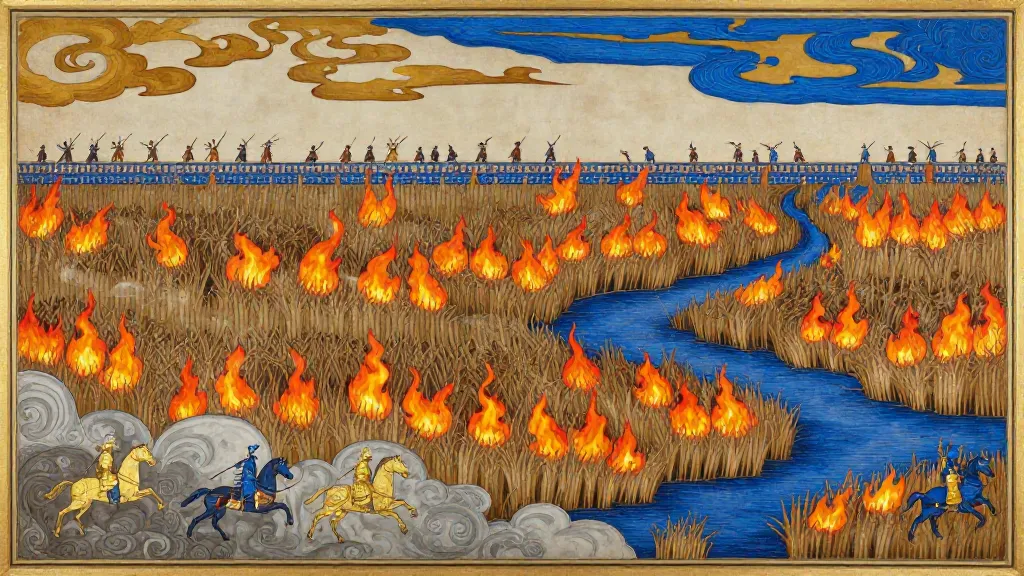
The Reign of Khosrow Parviz (Part 7) — Persian miniature painting

Shahnameh · Fall of the Sasanians

The Reign of Khosrow Parviz (Part 7)

پادشاهی خسرو پرویز ۷

View:

بهرام در خانه پیرزن و نبرد نیستان

Bahram at the Old Woman's House and the Battle in the Reeds

بدو گفت کای مام با فرهی ز کار جهان چیستت آگهی بدو پیرزن گفت چندان سخن شنیدم کزان گشت مغزم کهن ز شهر آمد امروز بسیار کس همی جنگ چوبینه گویند و بس که شد لشکر او به نزدیک شاه سپهبد گریزان به شد بی‌سپاه بدو گفت بهرام کای پاک زن مرا اندرین داستانی بزن که این از خرد بود بهرام را وگر برگزید از هوا کام را بدو پیرزن گفت کای شهره مرد چرا دیو چشم تو را تیره کرد ندانی که بهرام پور گشسپ چوبا پور هرمز بر انگیزد اسپ بخندد برو هرک دارد خرد کس اورا ز گردنکشان نشمرد بدو گفت بهرام گر آرزوی چنین کرد گو می‌خوران در کدوی برین گونه غربیل بر نان جو همی‌دار در پیش تا جو درو بران هم خورش یک شب آرام یافت همی کام دل جست و ناکام یافت چو خورشید برچرخ بگشاد راز سپهدار جنگی بزد طبل باز بیاورد چندانک بودش سپاه گرانمایگان برگرفتند راه بره بر یکی نیستان بود نو بسی اندرو مردم نی‌درو چو از دور دیدند بهرام را چنان لشکرگشن و خودکام را به بهرام گفتند انوشه بدی ز راه نیستان چرا آمدی که بی‌مر سپاهست پیش اندرون همه جنگ را دست شسته به خون چنین گفت بهرام کایدر سوار نباشد جز از لشکر شهریار فرود آمدند اندران نیستان همه جنگ را تنگ بسته میان شنیدم که چون ما ز پرده سرای بسی چیدن راه کردیم رای جهاندار بگزید نستود را جهان جوی بی‌تار و بی‌پود را ابا سه هزار از سواران مرد کجا پای دارند روز نبرد بدان تا بیاید پس ما دمان چو بینم مر او را سرآرم زمان همه اسپ را تنگها برکشید همه گرد این بیشه لشکر کشید سواران سبک برکشیدند تنگ گرفتند شمشیر هندی به چنگ همه نیستان آتش اندر زدند سپه را یکایک بهم بر زدند نیستان سراسر شد افروخته یکی کشته و دیگری سوخته چونستود را دید بهرام گرد عنان باره‌ی تیزتگ را سپرد ز زین برگرفتش به خم کمند بیاورد و کردش هم آنگه ببند همی‌خواست نستود زو زینهار همی‌گفت کای نامور شهریار چرا ریخت خواهی همی خون من ببخشای بر بخت و ارون من مکش مر مرا تا دوان پیش تو بیایم بوم زار درویش تو بدو گفت بهرام من چون تو مرد نخواهم که باشد به دشت نبرد نبرم سرت را که ننگ آیدم که چون تو سواری به جنگ آیدم چو یابی رهایی ز دستم بپوی ز من هرچ دیدی به خسرو بگوی چو بشنید نستود روی زمین ببوسید و بسیار کرد آفرین

Bahram said to her: "O noble mother, what news do you have of the affairs of the world?" The old woman replied: "I have heard so much talk that my brain has gone grey from it. Many people came from the city today. All they speak of is the war with Chobin — that his army drew near the king, and the general fled without his forces."

Bahram said: "O pure woman, give me your honest judgment on this. Did Bahram act from wisdom, or did he choose desire over reason?" The old woman answered: "O famous man, why has the demon darkened your eyes? Do you not know that Bahram son of Gushasp, when he rides against the son of Hormizd — anyone with sense laughs at him. No one counts him among the great."

Bahram said: "If that is how you see it, then drink your wine from a gourd. Keep sifting your barley bread and wait for the harvest." He spent one restless night on that same coarse food — seeking the heart's desire and finding only disappointment.

When the sun revealed its secrets on the wheel of heaven, the battle commander beat the drum of the hawk. He marshaled what forces he had, and the nobles set out on the road. Along the way stood a fresh reed-bed, with many reed-cutters working inside. When they saw Bahram from a distance — that vast, self-willed army — they called out: "May you live forever! Why have you come by way of the reeds? There is a countless army just ahead, all of them with hands washed in blood for battle."

Bahram replied: "The only horsemen here belong to the king's army." They dismounted in the reed-bed, every man cinching his belt tight for combat. When they had left the royal encampment and deliberated over which route to take, the lord of the world had chosen Nastud — that insubstantial world-seeker — with three thousand mounted warriors who could hold their ground on the day of battle, ordering him to come charging after Bahram's retreating column.

Bahram commanded: "Tighten every saddle-girth. Encircle this thicket with troops." The horsemen swiftly cinched their girths and took Indian swords in hand. They set fire to the entire reed-bed and fell upon the enemy all at once. The reeds blazed from end to end — some men were cut down, others burned alive.

When Bahram the warrior spotted Nastud, he gave rein to his swift-galloping horse, snatched him from the saddle with the loop of his lasso, and bound him on the spot. Nastud begged for his life: "O renowned king, why would you spill my blood? Have mercy on my fortune and my fate. Do not kill me — I will run before you as your wretched servant."

Bahram told him: "I do not want a man like you on any battlefield. I will not take your head — it would shame me that a horseman like you had come against me in war. When you get free of me, go straight to Khosrow and tell him everything you witnessed here." Nastud heard this, kissed the earth, and heaped blessings upon him.

Notes

1personبهرام چوبینBahram Chobin

Bahram Chobin, the rebel general, now in flight after his defeat by Khosrow's combined Iranian-Roman forces. Traveling incognito, he tests public opinion by asking an old woman what people think of him.

2personنستودNastud

Nastud — a minor commander sent by Khosrow with 3,000 cavalry to pursue Bahram's retreating forces. Bahram captures him but spares his life contemptuously, sending him back to Khosrow as a messenger.

3context

The old woman's blunt assessment — that anyone with sense laughs at Bahram for challenging the son of Hormizd — gives Bahram an unvarnished picture of how common people view his rebellion. He responds with bitter sarcasm.

4context

The reed-bed ambush is a signature Bahram Chobin tactic: luring a pursuing force into enclosed terrain, surrounding them, and setting the vegetation on fire. It demonstrates his continued military brilliance even in retreat.

گریز بهرام به تبرستان و نامه خسرو به قیصر

Bahram's Flight to Tabaristan and Khosrow's Letter to the Caesar

وزان بیشه بهرام شد تابری ابا او دلیران فرخنده پی ببود و برآسود و ز آنجا برفت به نزدیک خاقان خرامید تفت ازین سوی خسرو بران رزمگاه بیامد که بهرام بد با سپاه همه رزمگاهش به تاراج داد سپه را همه بدره و تاج داد یکی باره‌ی تیز رو برنشست میان را ز بهر پرستش ببست به پیش اندر آمد یکی خارستان پیاده ببود اندران کارستان به غلتید در پیش یزدان به خاک همی‌گفت کای داور داد و پاک پی دشمن از بوم برداشتی همه کار ز اندیشه بگذاشتی پرستنده و ناسزا بنده‌ام به فرمان و رایت سرافگنده‌ام وزان جایگه شد به پرده سرای بیامد به نزدیک او رهنمای بفرمود تا پیش او شد دبیر نوشتند زو نامه‌یی برحریر ز چیزی که رفت اندران رزمگاه به قیصر نوشت اندران نامه شاه نخست آفرین کرد بر دادگر کزو دید مردی و بخت و هنر دگر گفت کز کردگار جهان همه نیکوی دیدم اندر نهان به آذرگشسپ آمدم با سپاه دوان پیش بازآمدم کینه خواه بدان گونه تنگ اندر آمد به جنگ که بر من ببد کار پیکار تنگ چو یزدان پاکش نبد دستگیر بمرد آن دم آتش و دار و گیر چوبیچاره‌تر گشت و لشکر نماند گریزان به شبگیر ز آنجا براند همه لشکرش را بهم بر زدیم به لشکر گهش آتش اندرزدیم به فرمان یزدان پیروزگر ببندم برو نیز راه گذر نهادند برنامه بر مهرشاه فرستادگان بر گرفتند راه

From that thicket Bahram made for Tabaristan with his valiant companions. He rested there briefly, then pressed on swiftly toward the Khaqan's court.

On the other side, Khosrow arrived at the battlefield where Bahram had camped with his army. He gave the whole encampment over to plunder and distributed purses of gold and crowns among his troops. Then he mounted a swift horse and girded himself for worship. He came upon a thorny wasteland and dismounted on that rough ground. He threw himself in the dust before God, saying: "O just and pure Judge, You have lifted the enemy's footprint from this land. You have brought all things beyond what I imagined. I am Your worshipper and Your unworthy servant — I bow my head to Your command and will."

From there he returned to the royal pavilion. He summoned his secretary and ordered a letter written on silk, reporting to the Caesar everything that had happened on the battlefield. First he praised the God of justice, from whom he had received valor, fortune, and strength. Then he wrote: "From the Creator of the world I have seen nothing but hidden grace. I came with my army to Adur Gushnasp. The avenger came charging at me, and he pressed the fight so close that the battle nearly went against me. But when pure God withdrew His hand from him, that fire and fury died. When he grew desperate and his army melted away, he fled at dawn. We fell upon his forces and set fire to his camp. By the command of the victorious God, I will seal off his escape route as well."

They set the royal seal upon the letter, and the envoys took the road.

Notes

1place

Tabaristan — the mountainous region south of the Caspian Sea (modern Mazandaran), a traditional refuge for fugitives from central Iranian authority.

2personخاقانKhaqan

The Khaqan — ruler of the Western Turks, to whose court Bahram is fleeing for asylum after his defeat.

3place

Adur Gushnasp (آذرگشسپ) — one of the three great Zoroastrian sacred fires, located near Lake Urmia in Azerbaijan. The decisive battle took place in this region.

4personقیصرQaysar

The Caesar (Qaysar) — Emperor Maurice of Byzantium, Khosrow's patron and father-in-law, to whom he sends this victory report.

هدایای قیصر و ماجرای جامه چلیپا

The Caesar's Gifts and the Affair of the Cross-Bearing Robe

فرستاده با نامه شهریار بشد تا بر قیصر نامدار چو آن نامه برخواند قیصر ز تخت فرود آمد آن مرد بیداربخت به یزدان چنین گفت کای رهنمای همیشه توی جاودانه بجای تو پیروز کردی مر آن بنده را کشنده توی مرد افگنده را فراوان به درویش دینار داد همان خوردنیهای بسیار داد مر آن نامه را نیز پاسخ نوشت بسان درختی به باغ بهشت سرنامه کرد از جهاندار یاد خداوند پیروزی و فرو داد خداوند ماه و خداوند هور خداونت پیل و خداوند مور بزرگی و نیک اختری زو شناس وزو دار تا زنده باشی سپاس جز از داد و خوبی مکن در جهان چه در آشکار و چه اندر نهان یکی تاج کز قیصران یادگار همی‌داشتی تا کی آید به کار همان خسروی طوق با گوشوار سدوشست تا جامه‌ی زرنگار دگر سی شتر بار دینار بود همان در و یاقوت بسیار بود صلیبی فرستاد گوهر نگار یکی تخت پرگوهر شاهوار یکی سبز خفتان به زر بافته بسی شوشه زر برو تافته ازان فیلسوفان رومی چهار برفتند با هدیه وبا نثار چو زان کارها شد به شاه آگهی ز قیصر شدش کاربا فرهی پذیره فرستاد خسرو سوار گرانمایگان گرامی هزار بزرگان به نزدیک خسرو شدند همه پاک با هدیه نو شدند چو خسرو نگه کرد و نامه بخواند ازان خواسته در شگفتی بماند به دستور فرمود پس شهریار که آن جامه‌ی روم گوهر نگار نه آیین پرمایه دهقان بود کجا جامه‌ی جاثلیقان بود چو بر جامه‌ی ما چلیپا بود نشست اندر آیین ترسا بود وگر خود نپوشم بیازارد اوی همانا دگرگونه پندارد اوی وگر پوشم این نامداران همه بگویند کاین شهریار رمه مگر کز پی چیز ترسا شدست که اندر میان چلیپا شدست به خسرو چنین گفت پس رهنمای که دین نیست شاها به پوشش بپای تو بردین زر دشت پیغمبری اگر چند پیوسته قیصری بپوشید پس جامه‌ی شهریار بیاویخت آن تاج گوهرنگار برفتند رومی و ایرانیان ز هر گونه مردم اندر میان کسی کش خرد بود چون جامه دید بدانست کور ای قیصر گزید دگر گفت کاین شهریار جهان همانا که ترسا شد اندر نهان دگر روز خسرو بیاراست گاه به سر برنهاد آن کیانی کلاه نهادند در گلشن سور خوان چنین گفت پس رومیان را بخوان بیامد نیاتوس با رومیان نشستند با فیلسوفان بخوان چو خسرو فرود آمد از تخت بار ابا جامه‌ی روم گوهر نگار خرامید خندان و برخوان نشست بشد نیز بند وی برسم بدست جهاندار بگرفت و از نهان به زمزم همی رای زد با مهان نیاتوس کان دید بنداخت نان از آشفتگی باز پس شد ز خوان همی‌گفت و ازو چلیپا بهم ز قیصر بود بر مسیحا ستم چو بندوی دید آن بزد پشت دست بخوان بر به روی چلیپا پرست غمی گشت زان کار خسرو چودید بر خساره شد چون گل شنبلید به گستهم گفت این گو بی‌خرد نباید که بی‌داوری می‌خورد ورا با نیاتوس رومی چه کار تن خویش را کرد امروز خوار نیاتوس زان جایگه برنشست به لشکرگه خویش شد نیم مست بپوشید رومی زره رزم را ز بهر تبه کردن بزم را سواران رومی همه جنگ جوی به درگاه خسرو نهادند روی هم آنگه ز لشکر سواری چو باد به خسرو فرستاد رومی نژاد که بندوی ناکس چرا پشت دست زند بر رخ مرد یزدان‌پرست گر او را فرستی به نزدیک من و گرنه ببین شورش انجمن ز من بیش پیچی کنون کز رهی که جوید همی تخت شاهنشهی

The envoy carried the king's letter to the renowned Caesar. When the Caesar read it, that alert-fortuned man descended from his throne. He said to God: "O Guide, You are eternal and everlasting. You gave that servant victory. You are the slayer of the fallen." He distributed gold coins lavishly among the poor and gave out abundant food.

He wrote a reply to the letter, beautiful as a tree in the garden of paradise. He opened it with remembrance of the Lord of the world — master of victory and splendor, lord of the moon and the sun, lord of the elephant and the ant. "Know greatness and good fortune from Him. Give thanks to Him as long as you live. Do nothing in the world but justice and goodness, whether in the open or in secret."

He sent a crown that had been an heirloom of the Caesars, kept in reserve for the right occasion. He sent a royal torque with earrings, one hundred and sixty gold-embroidered garments, thirty camel-loads of gold coins, pearls and rubies in abundance, a jewel-encrusted crucifix, a gem-studded royal throne, and a green surcoat woven with gold thread shot through with golden wire. Four Roman philosophers accompanied the gifts and tribute.

When Khosrow learned of all this, the Caesar's generosity filled him with pride. He sent a thousand mounted nobles to receive the embassy. The dignitaries came before Khosrow, all bearing fresh gifts. When Khosrow examined the treasures and read the letter, he was astonished at the wealth. But then the king said to his counselor: "This jeweled Roman garment is not in the fashion of a noble landowner — it is the vestment of a Catholicos. If the cross appears on our robe, the impression is that of Christian custom. If I refuse to wear it, the Caesar will take offense and draw the wrong conclusion. But if I wear it, every nobleman here will say: 'This king has become a herd animal — he must have turned Christian for the sake of wealth, since he has put on the cross.'"

The counselor replied: "Religion does not stand on clothing, Your Majesty. You follow the faith of Zoroaster the prophet, even if you are bound to the Caesar by marriage." So the king put on the garment and hung the jeweled crown.

Romans and Iranians gathered, people of every kind among them. Those with sense, when they saw the robe, understood that the Caesar had chosen it deliberately. Others said: "The king of the world has surely become a Christian in secret."

The next day Khosrow held court and placed the Kayani crown upon his head. They laid the feast in the rose garden and he said: "Summon the Romans." Niatus came with the Romans, and they sat at the table alongside the philosophers. When Khosrow descended from the audience throne wearing the jeweled Roman garment, he strode smiling to the table and took his seat. Then Banduy came with the barsom in hand. The lord of the world took it and began murmuring the Zoroastrian liturgy with the nobles in private.

When Niatus saw this, he hurled down his bread and stormed away from the table in fury, saying: "He wears the cross yet prays over it! This is an insult to Christ from the Caesar's own son-in-law." When Banduy saw the outburst, he struck the Christian across the face with the back of his hand, right there at the table.

Khosrow's face turned saffron-pale with distress. He said to Gostaham: "This brainless ox — he should not be drinking without judgment. What business does he have with Niatus the Roman? He has disgraced himself today."

Niatus rose from his place and rode back to his camp, half-drunk. The Romans donned their battle armor to wreck the feast. Roman cavalrymen, all spoiling for a fight, turned toward Khosrow's gate. Niatus sent a rider swift as the wind to the king, a man of Roman blood, with this message: "Why did that worthless Banduy strike a God-fearing man across the face? Either hand him over to me, or watch the uprising of my forces. You will suffer more grief from me now than from any slave who sought the throne of kings."

Notes

1personنیاتوسNiatus

Niatus — the Byzantine commander who led the Roman expeditionary force on Khosrow's behalf. He is furious that Khosrow wore the cross-bearing robe only to perform Zoroastrian rites over the feast, seeing it as a calculated insult to Christianity.

2personبندویBanduy

Banduy (Bindoe) — Khosrow's uncle and chief advisor. His impulsive slap of Niatus at the banquet nearly ruptures the Iranian-Byzantine alliance.

3personگستهمGostaham

Gostaham (Vistahm) — another uncle of Khosrow and a senior military commander. Khosrow vents his frustration to him about Banduy's recklessness.

4context

The cross-robe episode is one of the Shahnameh's great political set-pieces: Khosrow is trapped between Byzantine patronage and Zoroastrian legitimacy. The Caesar's gift is a soft-power move — embedding a crucifix in a royal garment forces Khosrow to either publicly signal Christian alignment or risk offending his most powerful ally.

5translation

The 'barsom' (برسم) is a bundle of sacred twigs held by Zoroastrian priests during liturgical rites. Banduy's act of bringing it to a table where Khosrow wears a cross-bearing robe is a deliberate counter-assertion of Iranian religious identity.

میانجیگری مریم و آشتی با نیاتوس

Maryam's Mediation and the Reconciliation with Niatus

چو بشنید خسرو برآشفت و گفت که کس دین یزدان نیارد نهفت گیومرت و جمشید تا کی قباد کسی از مسیحا نکردند یاد مبادا که دین نیاکان خویش گزیده سرافراز و پاکان خویش گذارم بدین مسیحا شوم نگیرم بخوان واژ و ترسا شوم تو تنها همی کژگیری شمار هنر دیدم از رومیان روز کار به خسرو چنین گفت مریم که من بپا آورم جنگ این انجمن به من ده سرافراز بندوی را که تا رومیان از پی روی را ببینند و باز آرمش تن درست کسی بیهوده جنگ هرگز نجست فرستاد بندوی را شهریار به نزد نیاتوس با ده سوار همان نیز مریم زن هوشمند که بودی همیشه لبانش بپند بدو گفت رو با برادر پدر بگو ای بداندیش پرخاشخر ندیدی که با شاه قیصر چه گفت ز بهر بزرگی ورا بود جفت ز پیوند خویشی و از خواسته ز مردان وز گنج آراسته تو پیوند خویشی همی‌برکنی همان فر قیصر ز من بفگنی ز قیصر شنیدی که خسرو ز دین بگردد چو آید به ایران زمین مگو ایچ گفتار نا دلپذیر تو بندوی را سر به آغوش گیر ندانی که دهقان ز دین کهن نپیچد چرا خام گویی سخن مده رنج و کردار قیصر بباد بمان تا به باشیم یک چند شاد بکین پدر من جگر خسته‌ام کمر بر میان سوک را بسته‌ام دل او سراسر پر از کین اوست زبانش پر از رنج و تیماراوست که او از پی واژ شد زشت گوی تو از بی‌خرد هوشمندی مجوی چو مریم برفت این سخنها بگفت نیاتوس بشنید و کینه نهفت هم از کار بندوی دل کرد نرم کجا داشت از روی بندوی شرم بیامد به نزدیک خسرو چو گرد دل خویش خوش کرد زان گفته مرد نیاتوس گفت ای جهاندیده شاه خردمندی از مست رومی مخواه توبس کن بدین نیاکان خویش خردمند مردم نگردد ز کیش برین گونه چون شد سخنها دراز به لشکر گه آمد نیاتوس باز

Khosrow flared: "No one can hide the religion of God. From Gayumart and Jamshid down to Kay Qobad, not one of them ever invoked the Messiah. I will not abandon the faith of my ancestors — those chosen, exalted, pure men — to take up the creed of Christ. I will not set aside the sacred liturgy at my table and become a Christian. You alone are keeping crooked accounts. I have seen what the Romans are worth on the day of battle."

Maryam said to Khosrow: "I will settle this clash myself. Give me Banduy, the proud one, so the Romans can see his face for propriety's sake — and I will bring him back unharmed. No one ever sought a pointless war."

The king sent Banduy to Niatus with ten horsemen. Maryam herself went too — that shrewd woman whose lips were always full of counsel. She told him: "Go to my father's brother and say: 'O hot-headed schemer, did you not see what the Caesar said to the king? He was paired with him in greatness — through bonds of kinship, through treasure, through warriors, through furnished coffers. You are tearing out the ties of kinship and casting away the Caesar's glory from me. Did you ever hear the Caesar say that Khosrow would abandon his faith once he returned to Iran? Speak no unpleasant words. Embrace Banduy instead. You know that the landed nobility will not turn from the old religion — why do you speak so crudely? Do not throw the Caesar's labors and deeds to the wind. Let us remain happy for a while. I am liver-wounded with grief for my father's vengeance. I have girded the belt of mourning at my waist. Khosrow's heart is full of bitterness toward him. His tongue is full of pain and sorrow. It was over the liturgy that he spoke harshly — do not seek wisdom from a fool.'"

When Maryam went and delivered these words, Niatus listened and buried his resentment. He softened his heart regarding Banduy's offense, for he felt ashamed before Banduy's face. He came to Khosrow like the wind and made his heart easy with the king's words. Niatus said: "O world-seeing king, do not expect rationality from a drunk Roman. Hold fast to the faith of your ancestors — a wise man does not abandon his creed." After these lengthy exchanges, Niatus returned to his camp.

Notes

1personمریمMaryam

Maryam — Khosrow's Byzantine wife, daughter of Emperor Maurice. She is the linchpin of the Iranian-Roman alliance. Here she acts as diplomat, leveraging her dual identity to de-escalate a crisis that her husband and his uncle created.

2context

Maryam's speech to Niatus is a masterpiece of realpolitik: she acknowledges the insult, invokes the Caesar's strategic investment in Khosrow, reminds Niatus that the Zoroastrian aristocracy will never convert, and frames Banduy's violence as the act of a fool rather than policy. She even invokes her own grief for her father to create emotional leverage.

3personگیومرت و جمشیدGayumart and Jamshid

Gayumart (Kayumarth) and Jamshid — the first and greatest kings of the mythic Pishdadian dynasty, invoked by Khosrow to anchor his Zoroastrian identity in the deepest Iranian past.

4personکی قبادKay Qobad

Kay Qobad — founder of the Kayanian dynasty, the last of the mythic kings Khosrow names before declaring his unbroken Zoroastrian lineage.

پاداش رومیان و بازگشت آنان و تقسیم قلمروها

Rewarding the Romans, Their Departure, and the Division of the Realm

بخراد برزین بفرمود شاه که رو عرض گه ساز ودیوان بخواه همه لشکر رومیان عرض کن هر آنکس که هستند نوگر کهن درمشان بده رومیان را زگنج بدادن نباید که بینند رنج کسی کو به خلعت سزاوار بود کجا روز جنگ از در کار بود بفرمود تا خلعت آراستند ز در اسپ پرمایگان خواستند نیاتوس را داد چندان گهر چه اسپ و پرستار و زرین کمر کز اندازه هدیه برتر گذاشت سرش را ز پر مایگان برفراشت هر آن شهرکز روم بستد قباد چه هرمز چه کسری فرخ نژاد نیاتوس را داد و بنوشت عهد بران جام حنظل پراگند شهد برفتند پس رومیان سوی روم بدان مرز آباد و آباد بوم دگر هفته برداشت با ده سوار که بودند بینا دل و نامدار ز لشکر گه آمد به آذرگشسپ به گنبد نگه کرد و بگذاشت اسپ پیاده همی‌رفت و دیده پر آب به زردی دو رخساره چون آفتاب چو از دربه نزدیک آتش رسید شد از آب دیده رخش ناپدید دو هفته همی‌خواند استا وزند همی‌گشت بر گرد آذر نژند بهشتم بیامد ز آتشکده چو نزدیک شد روزگار سده به آتش بداد آنچ پذیرفته بود سخن هرچ پیش ردان گفته بود ز زرین و سیمین گوهرنگار ز دینار وز گوهر شاهوار به درویش بخشید گنج درم نماند اندران بوم و برکس دژم وزان جایگه شد با ندیو شهر که بردارد از روز شادیش بهر کجا کشور شورستان بود مرز کسی خاک او راندانست ارز به ایوان که نوشین روان کرده بود بسی روزگار اندر آن برده بود گرانمایه کاخی بیاراستند همان تخت زرین به پیراستند بیامد به تخت پدر برنشست جهاندار پیروز یزدان پرست بفرمود تا پیش او شد دبیر همان راهبر موبد تیزویر نوشتند منشور ایرانیان برسم بزرگان و فرخ مهان بدان کار بندوی بد کدخدای جهاندیده و راد و فرخنده‌رای خراسان سراسر به گستهم داد بفرمود تا نو کند رسم وداد بهرکار دستور بد بر ز مهر دبیری جهاندیده و خوب چهر چو بر کام او گشت گردنده چرخ ببخشید داراب گرد و صطرخ به منشور برمهر زرین نهاد یکی درکف رام برزین نهاد بفرمود تا نزد شاپور برد پرستنده و خلعت او را سپرد دگر مهر خسرو سوی اندیان بفرمود بردن برسم کیان دگر کشوری را بگردوی داد بران نامه بر مهر زرین نهاد ببالوی داد آن زمان شهر چاچ فرستاد منشور با تخت عاج کلید در گنجها بر شمرد سراسر بپور تخواره سپرد بفرمود تا هر که مهتر بدند به فرمان خراد برزین شدند به گیتی رونده بود کام او به منشورها بر بود نام او

The king ordered Khurrad Burzin: "Go set up the review-ground. Summon the chancellery. Muster the entire Roman army — every man, new recruit and veteran. Pay them silver from the treasury. In the giving, let them feel no hardship." For those who deserved robes of honor — those who had done the work on the day of battle — he ordered investitures prepared and had fine horses brought from the stables.

To Niatus he gave so many jewels, horses, attendants, and golden belts that the gifts exceeded all measure, raising him above the highest nobility. Every city that Qobad had taken from Rome, every territory that Hormizd and Khosrow Anushirvan of noble lineage had seized — he gave them all to Niatus and wrote a formal treaty. He spread honey over that cup of bitter colocynth.

The Romans departed for Rome, for that prosperous and well-settled frontier.

The following week, Khosrow set out with ten horsemen — clear-sighted, illustrious men. From the military camp he rode to the fire-temple of Adur Gushnasp. He looked at the dome and dismounted. He walked on foot, his eyes streaming with tears, his cheeks sallow as the sun. When he passed through the gate and drew near the sacred fire, tears washed his face until it disappeared behind them. For two weeks he recited the Avesta and the Zand, circling the fire in anguished devotion. On the eighth day he emerged from the fire-temple, as the festival of Sadeh drew near. He rendered to the fire everything he had vowed — every promise spoken before the priests. Gold and silver ornaments, gold coins and royal gems. He distributed a treasury of silver among the poor. Not a soul in that land remained unhappy.

From there he went to the city of Andiw to take his portion of joyful days — a territory on the frontier of the salt desert, whose very dust no one knew the worth of. In the palace that Anushirvan had built, where he had spent many seasons, they furnished a magnificent hall and adorned the golden throne. The world-lord, victorious and God-worshipping, came and sat upon his father's throne.

He summoned the secretary and the guiding Mobed of sharp intellect. They wrote the charters for all the Iranians in the manner of the great and noble lords. In these affairs, Banduy served as chief steward — worldly-wise, generous, and of blessed counsel. All of Khorasan he gave to Gostaham, commanding him to renew its laws and justice. In every matter, the grand vizier was Burz Mihr — a world-experienced secretary of handsome bearing.

When the turning heavens bent to his will, he granted Darabgird and Istakhr, set the golden seal on the charter, and placed it in the hand of Ram Burzin, ordering it carried to Shapur with attendants and robes of honor. Another sealed charter he sent toward Andigan in the manner of the Kayani kings. Another province he gave to Gorduy, sealing that letter in gold. To Baluy he gave the city of Chach and sent the charter with an ivory throne. He counted the keys to the treasuries one by one and handed them all to the son of Takhvareh. He commanded that every man of rank should answer to Khurrad Burzin. His will ran throughout the world; his name appeared on every charter.

Notes

1personخراد برزینKhurrad Burzin

Khurrad Burzin (Khurrazad) — Khosrow's chief financial administrator and paymaster, entrusted with mustering and paying the Roman forces and later given supreme administrative authority over the realm.

2context

The territorial concessions are staggering: Khosrow returns every city his father Hormizd, grandfather Anushirvan, and great-grandfather Qobad had conquered from Byzantium. This is the price of Roman military intervention — an enormous strategic loss dressed up as generosity.

3place

Chach (چاچ) — the region around modern Tashkent in Central Asia, given to Baluy. Its inclusion shows the vast geographic scope of Khosrow's administrative reorganization.

4place

Darabgird and Istakhr (داراب گرد و صطرخ) — ancient cities in Fars province, the Sasanian heartland. Istakhr was near Persepolis and served as a major administrative center.

5place

Adur Gushnasp — the supreme Zoroastrian fire-temple, sacred to warriors and kings. Khosrow's two-week vigil there after his victory is both genuine piety and political theater, emphatically reasserting his Zoroastrian identity after the cross-robe controversy.

6personبرز مهرBurz Mihr

Burz Mihr — Khosrow's grand vizier (dastūr), the senior bureaucratic official of the empire.

فرمان خسرو به مردم و رفتن بهرام نزد خاقان

Khosrow's Edict to the People and Bahram's Arrival at the Khaqan's Court

ز لشکر هر آنکس که هنگام کار بماندند با نامور شهریار همی خلعت خسروی دادشان به شاهی به مرزی فرستادشان همی‌گشت گویا منادیگری خوش آواز و بیدار دل مهتری که ای زیردستان شاه جهان مخوانید جز آفرین در نهان مجویید کین و مریزید خون مباشید بر کار بد رهنمون گر از زیردستان بنالد کسی گر از لشکری رنج یابد بسی نیابد ستمگاره جز دار جای همان رنج و آتش بدیگر سرای همه پادشاهند برگنج خویش کسی راکه گرد آمد از رنج خویش خورید و دهید آنک دارید چیز همان کز شماهست درویش نیز چو باید خورش بامداد پگاه سه من می بیابد ز گنجور شاه به پیمان که خواند بران آفرین که کوشد که آباد دارد زمین گر ایدون که زین سان بود پادشا به از دانشومند ناپارسا مرا سال بگذشت برشست و پنج نه نیکو بود گر بیازم به گنج مگر بهره بر گیرم از پند خویش بر اندیشم از مرگ فرزند خویش مرا بود نوبت برفت آن جوان ز دردش منم چون تن بی‌روان شتابم همی تا مگر یابمش چویابم به بیغاره بشتابمش که نوبت مرا به بی‌کام من چرا رفتی و بردی آرام من ز بدها تو بودی مرا دستگیر چرا چاره جستی ز همراه پیر مگر همرهان جوان یافتی که از پیش من تیز بشتافتی جوان را چو شد سال برسی و هفت نه بر آرزو یافت گیتی برفت همی‌بود همواره با من درشت برآشفت و یکباره بنمود پشت برفت و غم و رنجش ایدر بماند دل و دیده‌ی من به خون درنشاند کنون او سوی روشنایی رسید پدر را همی جای خواهد گزید برآمد چنین روزگار دراز کزان همرهان کس نگشتند باز همانا مرا چشم دارد همی ز دیر آمدن خشم دارد همی ورا سال سی بد مرا شصت و هفت نپرسید زین پیر و تنها برفت وی اندر شتاب و من اندر درنگ ز کردارها تا چه آید به چنگ روان تو دارنده روشن کناد خرد پیش جان تو جوشن کناد همی‌خواهم از کردگار جهان ز روزی ده آشکار و نهان که یکسر ببخشد گناه مرا درخشان کند تیره گاه مرا کنون داستانهای دیرینه گوی سخنهای بهرام چوبینه گوی که چون او سوی شهر ترکان رسید به نزد دلیر و بزرگان رسید ز گردان بیدار دل ده هزار پذیره شدندش گزیده سوار پسر با برادرش پیش اندرون ابا هر یکی موبدی رهنمون چو آمد بر تخت خاقان فراز برو آفرین کرد و بردش نماز چو خاقان ورا دید برپای جست ببوسید و بسترد رویش بدست بپرسید بسیارش از رنج راه ز کار و ز پیکار شاه و سپاه هم ایزد گشسپ و یلان سینه را بپرسید و خراد برزینه را چو بهرام برتخت سیمین نشست گرفت آن زمان دست خاقان بدست بدو گفت کای مهتر بافرین سپهدار ترکان و سالار چین تو دانی که از شهریار جهان نباشد کسی ایمن اندر نهان بر آساید از گنج و بگزایدش تن آسان کند رنج بفزایدش گر ایدون که اندر پذیری مرا بهرنیک و بد دست‌گیری مرا بدین مرز بی‌یار یار توام بهر نیک و بد غمگسار توام وگر هیچ رنج آیدت بگذرم زمین را سراسر بپی بسپرم گر ایدون که باشی تو همداستان از ایدر شوم تا به هندوستان بدو گفت خاقان که ای سرفراز بدین روز هرگز مبادت نیاز بدارم تو را همچو پیوند خویش چه پیوند برتر ز فرزند خویش همه بوم با من بدین یاورند اگر کهترانند اگر مهترند تو را بر سران سرفرازی دهم هم از مهتران بی‌نیازی دهم بدین نیز بهرام سوگند خواست زیان بود بر جان او بند خواست بدو گفت خاقان به برتر خدای که هست او مرا و تو را رهنمای که تا زنده‌ام ویژه یار توام بهر نیک و بد غمگسار توام ازان پس دو ایوان بیاراستند زهر گونه‌یی جامه‌ها خواستند پرستنده و پوشش و خوردنی ز چیزی که بایست گستردنی ز سیمین و زرین که آید به کار ز دینار وز گوهر شاهوار فرستاد خاقان به نزدیک اوی درخشنده شد جان تاریک اوی به چوگان و مجلس به دشت شکار نرفتی مگر کو بدی غمگسار برین گونه بر بود خاقان چین همی‌خواند بهرام را آفرین

Every soldier who had stood with the renowned king in the hour of need received a royal robe of honor and was sent to govern a province or frontier.

A herald went through the land — a clear-voiced, alert-hearted nobleman — proclaiming: "O subjects of the king of the world: speak nothing but blessings in private. Seek no vengeance. Spill no blood. Be no guide to evil deeds. If any subject cries out in complaint, if any man suffers hardship from a soldier — the oppressor will find no place but the gallows, and torment and fire in the world to come. Every man is sovereign over his own wealth — whatever he has gathered by his own labor. Eat and give, you who possess things, for among you there are also the poor. Whoever needs sustenance at dawn may receive three man-weights of wine from the king's treasurer — on the condition that he calls down blessings on the one who strives to keep the land prosperous.

"If a king rules in this way, he is better than a learned man without virtue. My years have passed sixty-five. It would not be right if I clutched at treasure now. Perhaps I may take a share of my own counsel and reflect on the death of my son. It was my turn to go, yet that young man departed. From grief for him I am like a body without a soul. I hurry, hoping I might reach him. When I find him I will reproach him bitterly: 'The turn was mine, against my will — why did you go and steal my peace? You were my protector against all evils. Why did you seek escape from your old traveling companion? Perhaps you found young companions on the road, and so you rushed away from me.' The young man was thirty-seven when he left the world — not on his own terms. He was always harsh with me. He grew angry and turned his back in one stroke. He left, and his grief and sorrow remained here, drowning my heart and eyes in blood. Now he has reached the light. He seeks a place for his father. So much time has passed, and none of those traveling companions has come back. Surely he watches for me. Surely he is angry at my delay. He was thirty; I am sixty-seven. He did not ask after this old man — he went alone. He in haste, I in lingering. From all our deeds, let us see what comes to hand.

"May the Sustainer keep your soul bright. May wisdom be a coat of mail before your spirit. I ask of the Creator of the world — the giver of sustenance, seen and unseen — that He forgive all my sins and illuminate my dark hour."

Now tell the ancient tales. Speak the story of Bahram Chobin — how he reached the land of the Turks and came before the valiant and the great. Ten thousand alert-hearted warriors rode out to meet him — chosen horsemen. His son and brother rode at the front, each with a Mobed as guide. When he came before the Khaqan's throne, he offered praise and bowed low. When the Khaqan saw him, he leapt to his feet, kissed him, and wiped his face with his own hand. He asked him at length about the hardships of the road, about the war and the battle with the king and his army. He also asked after Izad Gushasp, Yalan Sineh, and Khurrad Burzin.

When Bahram sat upon the silver throne, he took the Khaqan's hand in his and said: "O lord of blessings, commander of the Turks and master of China — you know that no one is ever truly safe from the king of the world. When he rests, his treasury grows. When he is at ease, hardship multiplies for you. If you will receive me and stand by me in good times and bad, then in this borderland without allies, I am your man. I will share your sorrows in fortune and misfortune alike. But if any trouble should come to you on my account, I will move on. I will walk the whole earth underfoot. If you agree, I will go from here to Hindustan."

The Khaqan said: "O proud one, may you never know such a day of need. I will hold you as my own kin — what kinship is higher than a son? All the people of this land stand with me in this, whether low or high. I will raise you above all chieftains. I will make you independent of the great." Bahram demanded an oath on this as well — bonds that would prove ruinous to his own life. The Khaqan swore by the highest God — "He who is guide to you and me alike" — "As long as I live, I am exclusively your ally. In good times and bad, I share your sorrows."

After that they furnished two palaces and procured garments of every kind — attendants, clothing, food, carpets, silver and gold vessels, coins and royal jewels. The Khaqan sent all of it to him, and Bahram's dark soul blazed bright. At polo, at banquets, on the hunting-field — the Khaqan never went without Bahram at his side. So it was that the Khaqan of China kept calling down blessings on Bahram.

Notes

1context

Khosrow's edict is remarkable for its social contract language: every man is sovereign over his own earned wealth, oppressors face execution, and the king himself reflects on mortality and the pointlessness of hoarding treasure. The passage about his dead son is one of the most personal and emotionally raw speeches in the Shahnameh.

2personخاقانKhaqan

The Khaqan — ruler of the Western Turks (referred to as 'master of China' in the epic's geography). He receives Bahram as an honored exile, swears personal loyalty, and provides him with full royal accommodation.

3personایزد گشسپ و یلان سینهIzad Gushasp and Yalan Sineh

Izad Gushasp and Yalan Sineh — Bahram's loyal senior commanders who accompanied him into exile.

4context

Ferdowsi's narrator breaks the fourth wall with 'Now tell the ancient tales' — a structural pivot marking the shift from Khosrow's consolidation of power back to Bahram's exile narrative. The phrase signals a change of scene across thousands of miles.

5translation

The line 'bonds that would prove ruinous to his own life' (زیان بود بر جان او بند خواست) is the narrator's flash-forward: Bahram's insistence on formal oaths will ultimately entangle him in the Khaqan's court politics and contribute to his downfall.

نبرد بهرام با مقاتوره و شیرکپی کوهستان

Bahram's Duel with Muqatureh and the Lion-Ape of the Mountains

یکی نامبردار بد یار اوی برزم اندرون دست بردار اوی ازو مه به گوهر مقاتوره نام که خاقان ازو یافتی نام و کام به شبگیر نزدیک خاقان شدی دولب را به انگشت خود بر زدی بران سان که کهتر کند آفرین بران نامبردار سالار چین هم آنگه زدینار بردی هزار ز گنج جهاندیده نامدار همی‌دید بهرام یک چندگاه به خاقان همی‌کرد خیره نگاه بخندید یک روز گفت ای بلند توی بر مهان جهان ارجمند بهر بامدادی بهنگام بار چنین مرد دینار خواهد هزار ببخشش گرین بیستگانی بود همه بهر او زرکانی بود بدو گفت خاقان که آیین ما چنین است و افروزش دین ما که از ما هر آنکس که جنگی ترست به هنگام سختی درنگی ترست چو خواهد فزونی نداریم باز ز مردان رزم آور جنگ ساز فزونی مر او راست برما کنون بدینار خوانیم بر وی فسون چو زو بازگیرم بجوشد سپاه ز لشکر شود روز روشن سیاه جهانجوی گفت ای سر انجمن تو کردی و را خیره بر خویشتن چو باشد جهاندار بیدار و گرد عنان را به کهتر نباید سپرد اگر زو رهانم تو را شایدت وگر ویژه آزرم او بایدت بدو گفت خاقان که فرمان تو راست بدین آرزو رای و پیمان تو راست مرا گر توانی رهانید ازوی سرآورده باشی همه گفت و گوی بدو گفت بهرام که اکنون پگاه چو آید مقاتوره دینار خواه مخند و بر و هیچ مگشای چشم مده پاسخ و گر دهی جز به خشم گذشت آن شب و بامداد پگاه بیامد مقاتوره نزدیک شاه جهاندار خاقان بدو ننگرید نه گفتار آن ترک جنگی شنید ز خاقان مقاتوره آمد بخشم یکایک برآشفت و بگشاد چشم بخاقان چین گفت کای نامدار چرا گشتم امروز پیش تو خوار همانا که این مهتر پارسی که آمد بدین مرز با یار سی بکوشد همی تا بپیچی ز داد سپاه تو را داد خواهد بباد بدو گفت بهرام که ای جنگوی چرا تیزگشتی بدین گفت وگوی چو خاقان برد راه و فرمان من خرد را نپیچد ز پیمان من نمانم که آیی تو هر بامداد تن آسان دهی گنج او را به باد بران نه که هستی تو سیسد سوار به رزم اندرون شیرجویی شکار نیرزد که هر بامداد پگاه به خروار دینار خواهی ز شاه مقاتوره بشنید گفتار اوی سرش گشت پرکین ز آزار اوی بخشم و به تندی بیازید چنگ ز ترکش برآورد تیر خدنگ به بهرام گفت این نشان منست برزم اندرون ترجمان منست چو فردا بیایی بدین بارگاه همی‌دار پیکان ما را نگاه چو بشنید بهرام شد تیز چنگ یکی تیر پولاد پیکان خدنگ بدو داد و گفتا که این یادگار بدار و ببین تا کی آید به کار مقاتوره از پیش خاقان برفت بیامد سوی خرگه خویش تفت چوشب دامن تیره اندر کشید سپیده ز کوه سیه بر دمید مقاتوره پوشید خفتان جنگ بیامد یکی تیغ توری به چنگ چو بهرام بشنید بالای خواست یکی جوشم خسرو آرای خواست گزیدند جایی که هرگز پلنگ بران شخ بی‌آب ننهاد چنگ چو خاقان شنید این سخن برنشست برفتند ترکان خسرو پرست بدان کارتازین دو شیردمان کرا پیشتر خواه آمد زمان مقاتوره چون شد به دشت نبرد ز هامون به ابر اندر آورد گرد به بهرام گردنکش آواز داد که اکنون ز مردی چه داری بیاد تو تازی بدین جنگ بر پیشدست وگر شیر دل ترک خاقان پرست بدو گفت بهرام پیشی تو کن کجا پی تو افگنده‌ای این سخن مقاتوره کرد از جهاندار یاد دو زاغ کمان را به زه برنهاد زه و تیر بگرفت شادان بدست چو شد غرق پیکانش بگشاد شست بزد بر کمربند مرد سوار نسفت آهن از آهن آبدار زمانی همی‌بود بهرام دیر که تاشد مقاتوره از رزم سیر مقاتوره پنداشت کو شد تباه خروشید و برگشت زان رزمگاه بدو گفت برهام کای جنگجوی نکشتی مرا سوی خرگه مپوی تو گفتی سخن باش و پاسخ شنو اگر بشنوی زنده مانی برو نگه کر جوشن گذاری خدنگ که آهن شدی پیش او نرم و سنگ بزد بر میان سوار دلیر سپهبد شد از رزم و دینار سیر مقاتوره چون جنگ را برنشست برادر دو پایش بزین بر ببست بروی اندر آمد دو دیده پرآب همان زین توری شدش جای خواب به خاقان چنین گفت کای کامجوی همی گورکن خواهد آن نامجوی بدو گفت خاقان که بهتر ببین کجا زنده خفتست بر پشت زین بدو گفت بهرام کای برمنش هم اکنون به خاک اندر آید تنش تن دشمن تو چنین خفته باد که او خفت بر اسپ توری نژاد سواری فرستاد خاقان دلیر به نزدیک آن نامبردار شیر ورا بسته و کشته دیدند خوار بر آسوده از گردش روزگار بخندید خاقان به دل در نهان شگفت آمدش زان سوار جهان پر اندیشه بد تا بایوان رسید کلاهش ز شادی به کیوان رسید سلیح و درم خواست و اسپ ورهی همان تاج و هم تخت شاهنشهی ز دینار وز گوهر شاهوار ز هرگونه یی آلت کار زار فرستاده از پیش خاقان ببرد به گنج‌ور بهرام جنگی سپرد چو چندی برآمد برین روزگار شب و روز آسایش آموزگار چنان بد که در کوه چین آن زمان دد و دام بودی فزون از گمان ددی بود مهتر ز اسپی بتن فروهشته چون مشک گیسو رسن به تن زرد و گوش و دهانش سیاه ندیدی کس او را مگر گرمگاه دو چنگش به کردار چنگ هژبر خروشش همی‌برگذشتی ز ابر همی سنگ را درکشیدی به دم شده روز ازو بر بزرگان دژم ورا شیر کپی همی‌خواندند ز رنجش همه بوم در ماندند یکی دختری داشت خاتون چوماه اگر ماه دارد دو زلف سیاه دو لب سرخ و بینی چو تیغ قلم دو بی جاده خندان و نرگس دژم بران دخت لرزان بدی مام وباب اگر تافتی بر سرش آفتاب چنان بد که روزی پیاده به دشت همی گرد آن مرغزاران بگشت جهاندار خاقان ز بهر شکار بدشتی دگر بود زان مرغزار همان نیز خاتون به کاخ اندورن همی رای زد با یکی رهنمون چوآن شیر کپی ز کوهش بدید فرود آمد او را به دم درکشید بیک دم شد او از جهان در نهان سرآمد بران خوب چهره جهان چو خاقان شنید آن سیه کرد روی همان مادرش نیر بر کند موی ز دردش همه ساله گریان بدند چو بر آتش تیز بریان بدند همی چاره جستند زان اژدها که تا چین کی آید ز چنگش رها چو بهرام جنگ مقاتوره کرد وزان مرد جنگی برآورد گرد همی‌رفت خاتون بدیدار اوی بهر کس همی‌گفت کردار اوی چنان بد که یک روز دیدش سوار از ایران همان نیز سد نامدار پیاده فراوان به پیش اندرون همی‌راند بهرام با رهنمون بپرسید خاتون که این مرد کیست که با برز و با فره‌ی ایزدیست بدو گفت کهتر که دوری ز کام که بهرام یل راندانی بنام به ایران یکی چند گه شاه بود سرتاج او برتر از ماه بود بزرگانش خوانند بهرام گرد که از خسروان نام مردی ببرد

There was a famous warrior in the Khaqan's service — his champion in battle, greater than himself in lineage — named Muqatureh. The Khaqan owed him both fame and success. Every morning at dawn, Muqatureh would come to the Khaqan, touch two fingers to his lips in the manner of a subordinate paying homage to the renowned lord of China, and immediately collect a thousand gold coins from the treasury of that world-experienced ruler.

Bahram watched this for some time, staring hard at the Khaqan. One day he laughed and said: "O exalted lord, you who are honored among the great of the world — every morning at the hour of audience, this man demands a thousand gold coins. If this is a gift of twenty men's worth, then all the gold in the mines belongs to him alone."

The Khaqan said: "This is our custom, the way our faith is kindled. Among us, the fiercest fighter — the one who stands firmest in times of crisis — when he demands more, we do not refuse a battle-ready man of war. The advantage is his over us at present. We charm him with gold coins. If I withhold payment, the army will revolt. Bright day will turn black among the troops."

The world-seeker said: "O head of the assembly, you have made him reckless against yourself. When a ruler is alert and brave, he must not hand the reins to a subordinate. If I free you from him, would that please you? Or do you specifically need to keep his goodwill?"

The Khaqan said: "The command is yours. In this matter, the plan and the terms are yours. If you can deliver me from him, you will have ended all debate."

Bahram said: "Tomorrow morning, when Muqatureh comes demanding gold — do not smile, do not open your eyes to him, give no answer, and if you must answer, answer only in anger."

The night passed. At dawn the next morning, Muqatureh came before the Khaqan. The lord of the world did not look at him. He did not hear the warlike Turk's words. Muqatureh grew furious. He flared up, eyes wide, and said to the Khaqan of China: "O renowned one, why have I become worthless in your sight today? Surely this Persian chieftain who came to your borders with thirty companions is working to turn you from justice. He will destroy your army."

Bahram said: "O fighter, why have you grown so hot in this exchange? As long as the Khaqan follows my road and my counsel — as long as reason does not turn from my compact — I will not allow you to come every morning and idly squander his treasury. Not because you command three hundred horsemen and hunt lions in battle. It is not worth it that every dawn you demand cartloads of gold from the king."

Muqatureh heard his words, and his head filled with hatred at the insult. In rage and fury he stretched out his hand, drew a poplar-wood arrow from his quiver, and said to Bahram: "This is my sign. On the battlefield, this is my interpreter. When you come to this court tomorrow, keep your eye on my arrowhead."

Bahram heard this. He became sharp-clawed. He took a steel-tipped poplar-wood arrow, gave it to Muqatureh, and said: "Keep this memento. See when it comes to use."

Muqatureh left the Khaqan's presence and went swiftly to his own tent. When night drew its dark skirt and dawn broke over the black mountain, Muqatureh put on his battle armor and came with a Turani sword in hand. When Bahram heard, he called for his tall stature — a royal coat of mail. They chose a place where no leopard had ever set claw on that waterless crag.

When the Khaqan heard, he mounted his horse. The Turks rode out, servants of the king, to see which of these two raging lions would have his time come first.

Muqatureh rode onto the field of battle and raised dust from the plain to the clouds. He called out to the proud Bahram: "What do you remember now of manhood? Are you the aggressor in this fight — or is it the lion-hearted Turk, servant of the Khaqan?"

Bahram replied: "Take the first strike. You started this talk." Muqatureh invoked God, strung both arms of his bow, took string and arrow joyfully in hand, and when the arrowhead was sunk deep, released his thumb. He struck the mounted warrior's belt. Iron pierced through tempered iron.

Bahram waited a long time — until Muqatureh grew weary of the fight. Muqatureh thought he had destroyed him. He roared in triumph and turned from the field. Bahram called after him: "O fighter, you have not killed me. Do not ride back to your tent. You spoke your piece — now stay and hear the answer. If you hear it, you will live. Go look at this coat of mail: see if an arrow passes through it, where iron turned soft as sand before it." He struck the brave horseman through the waist. The general had had enough of battle and gold coins alike.

When Muqatureh — who had mounted for war — collapsed, his brother bound his feet to the saddle. Tears flooded the brother's eyes. The Turani saddle became the dead man's bed. The brother said to the Khaqan: "O seeker of pleasure, that fame-hunter wants a gravedigger now."

The Khaqan said: "Look more carefully. He lies there asleep, alive upon the saddle." Bahram said: "O noble one, his body will be in the dust any moment now. May the body of your enemy sleep like this — as he sleeps upon his Turani horse."

The Khaqan sent a bold rider to the side of that renowned lion. They found him bound and dead upon the saddle — at rest from the turning of fate. The Khaqan laughed in secret and marveled at that warrior of the world. He was full of thought until he reached his palace, his crown rising to Saturn in joy.

He sent for weapons, silver, horses, attendants, a crown, a royal throne, gold coins, royal jewels, and all manner of war equipment. The envoy carried them from the Khaqan and delivered them to Bahram the warrior's treasurer.

Some time passed in this fashion, night and day teaching rest. Now it happened that in the mountains of China at that time, wild beasts were beyond all reckoning. There was a creature larger than a horse, its hanging mane like ropes of musk — yellow-bodied with black ears and mouth. No one ever saw it except in the heat of summer. Its claws were like a lion's claws. Its roar carried above the clouds. It could drag boulders in with its breath. Because of it, the days had grown dark for the great. They called it the Lion-Ape, and the whole land was helpless against its depredations.

The Khatun had a daughter beautiful as the moon — if the moon had two black tresses, red lips, a nose sharp as a pen-blade, dimples that laughed without coral, and drowsy narcissus eyes. Her mother and father trembled over that girl if so much as sunlight fell on her head. One day, she was walking on foot across the plain, strolling around the meadows. The Khaqan, lord of the world, had gone hunting on a different plain from that meadow. The Khatun too was inside the palace, deliberating with a counselor. The Lion-Ape saw the girl from the mountainside, came down, and dragged her away in one breath. In a single breath she vanished from the world. The world ended for that beautiful face.

When the Khaqan heard, he blackened his face. Her mother tore her hair. They wept in agony year-round, roasting on a fierce fire. They searched for any remedy against that dragon — wondering when China might be freed from its claws.

When Bahram fought Muqatureh and raised the dust from that warrior, the Khatun came to see him and told everyone of his deeds. One day she saw him mounted, with a hundred renowned Iranians and many foot soldiers before him. Bahram rode with his guides. The Khatun asked: "Who is this man, who carries such stature and divine glory?" Her attendant said: "You are far from your wish if you do not know Bahram the champion by name. In Iran he was king for a time — his crowned head rose higher than the moon. The great call him Bahram the Warrior, for he carried away the name of manhood from all kings."

Notes

1personمقاتورهMuqatureh

Muqatureh — the Khaqan's most powerful warlord, who extorts a thousand gold coins daily through implied threat of rebellion. Bahram engineers a confrontation to eliminate him, consolidating his own position at the Turkish court.

2personخاتونKhatun

The Khatun — the Khaqan's wife, whose daughter was snatched and killed by the Lion-Ape. She becomes the catalyst for Bahram's next heroic exploit.

3context

The Lion-Ape (شیرکپی) is one of the Shahnameh's mythic beasts — larger than a horse, with lion-claws and a roar above the clouds. Its ability to drag boulders with its breath places it in the category of supernatural menaces that only a destined hero can defeat. The creature's killing of the Khaqan's daughter sets up Bahram's monster-slaying episode.

4context

Bahram's elimination of Muqatureh follows the classic pattern of a political operator: he identifies the Khaqan's vulnerability, proposes a solution, engineers the provocation, and executes the rival — all while appearing to act on the Khaqan's behalf. It mirrors his earlier career in Iran, where military brilliance served political ambition.

5translation

The arrow exchange is a formal challenge ritual: each warrior gives the other an arrow as a token of the duel to come. Bahram's line 'See when it comes to use' is a death promise delivered with aristocratic calm.

Edition & Source

Author
فردوسی (Ferdowsi, c. 977–1010 AD)
Edition
شاهنامه — Wikisource plain edition