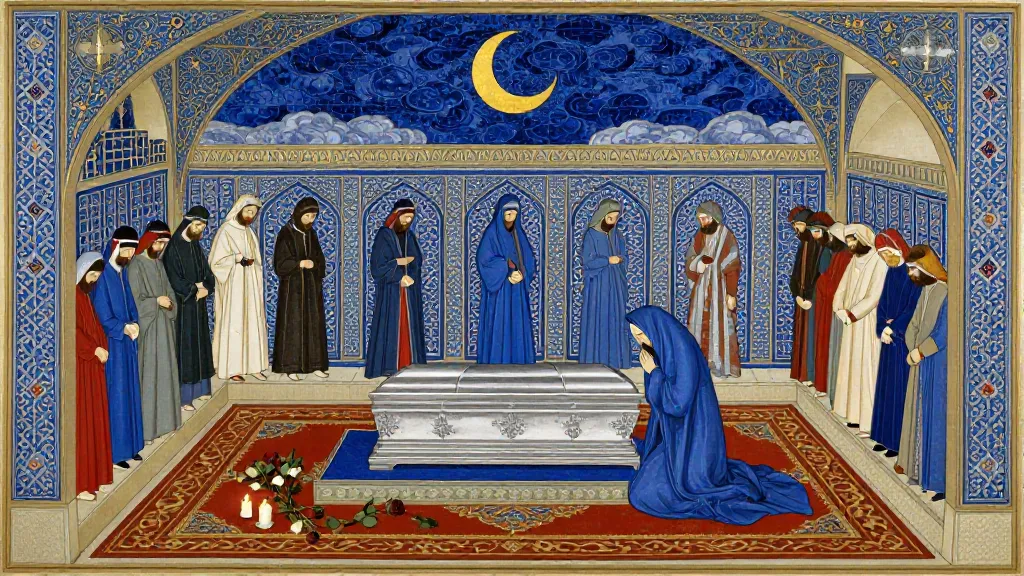
وصیت بهرام و مرگ او
Bahram's Deathbed Confession and Death
بد آمد بدین خاندان بزرگ همه میش گشتیم و دشمن چو گرک چو آن خسته بشنید گفتار او بدید آن دل و رای هشیار او به ناخن رخان خسته و کنده موی پر از خون دل و دیده پر آب روی به زاری و سستی زبان برگشاد چنین گفت کای خواهر پاک وراد ز پند تو کمی نبد هیچ چیز ولیکن مرا خود پر آمد قفیز همی پند بر من نبد کارگر ز هر گونه چون دیو بد راه بر نبد خسروی برتر از جمشید کزو بود گیتی به بیم وامید کجا شد به گفتار دیوان ز شاه جهان کرد بر خویشتن بر سیاه همان نیز بیدار کاوس کی جهاندار نیک اختر و نیک پی تبه شد به گفتار دیو پلید شنیدی بدیها که او را رسید همان به آسمان شد که گردان سپهر ببیند پراگندن ماه و مهر مرا نیز هم دیو بیراه کرد ز خوبی همان دست کوتاه کرد پشیمانم از هرچ کردم ز بد کنون گر ببخشد ز یزدان سزد نوشته برین گونه بد بر سرم غم کرده های کهن چون خورم ز تارک کنون آب برتر گذشت غم و شادمانی همه باد گشت نوشته چنین بود وبود آنچ بود نوشته نکاهد نه هرگز فزود همان پند تویادگارمنست سخنهای توگوشوارمنست سرآمد کنون کار بیداد و داد سخنهات برمن مکن نیزیاد شماروی راسوی یزدان کنید همه پشت بربخت خندان کنید زبدها جهاندارتان یاربس مگویید زاندوه وشادی بکس نبودم بگیتی جزین نیز بهر سرآمد کنون رفتنیام ز دهر یلان سینه راگفت یکسر سپاه سپردم تو رابخت بیدارخواه نگه کن بدین خواهرپاک تن زگیتی بس اومرتو رارای زن مباشید یک تن زدیگر جدا جدایی مبادا میان شما برین بوم دشمن ممانید دیر که رفتیم وگشتیم ازگاه سیر همه یکسره پیش خسرو شوید بگویید و گفتار او بشنوید گر آموزش آید شما راز شاه جز او رامخوانید خورشید و ماه مرا دخمه در شهرایران کنید بری کاخ بهرام ویران کنید بسی رنج دیدم ز خاقان چین ندیدم که یک روز کرد آفرین نه این بود زان رنج پاداش من که دیوی فرستد بپرخاش من ولیکن همانا که او این سخن اگر بشنود سر نداند ز بن نبود این جز از کار ایرانیان همی دیو بد رهنمون درمیان بفرمود پس تا بیامد دبیر نویسد یکی نامهیی بر حریر بگوید بخاقان که بهرام رفت به زاری و خواری و بیکام رفت تو این ماندگان راز من یاددار ز رنج و بد دشمن آزاد دار که من با تو هرگز نکردم بدی همی راستی جستم و بخردی بسی پندها خواند بر خواهرش ببر در گرفت آن گرامی سرش دهن بر بنا گوش خواهر نهاد دو چشمش پر از خون شد و جان بداد برو هر کسی زار بگریستند به درد دل اندر همیزیستند همی خون خروشید خواهر ز درد سخنهای او یک به یک یاد کرد ز تیمار او شد دلش به دونیم یکی تنگ تابوت کردش ز سیم به دیبا بیاراست جنگی تنش قصب کرد در زیر پیراهنش همیریخت کافور گرد اندرش بدین گونه برتا نهان شد سرش چنین است کار سرای سپنج چودانی که ایدر نمانی مرنج
"Disaster has come upon this great house. We have all become sheep, and the enemy wolves."
When the wounded man heard her words and saw the clarity of her heart and mind — his cheeks torn by his own nails, his hair ripped out, his heart full of blood, his face streaming — he opened his mouth weakly and with grief:
"O pure and noble sister, there was nothing lacking in your counsel. But for me the measure was already full. Your advice never took hold in me. At every turn a demon blocked my way. There was no king greater than Jamshid — the world lived in fear and hope of him — yet he fell to the whispering of demons and brought darkness upon himself. So too the wakeful Kay Kavus, the fortunate lord of the world, was destroyed by the words of a foul demon — you have heard the evils that befell him. He flew to the sky so the turning sphere might show him the scattering of moon and sun. Demons led me astray as well and cut me short of goodness.
"I repent of every evil I have done. If God forgives, it is fitting. Fate was written this way upon my head. How can I now swallow the grief of old deeds? The water has risen above my crown. Grief and joy have all become wind. What was written was written, and what was, was. Writing neither diminishes nor ever increases.
"Your counsel is my legacy. Your words are earrings I will wear. The time of justice and injustice is finished now. Do not remind me again of your warnings. Turn your faces toward God, all of you. Set your backs against laughing fortune. Let the Lord of the world be your help against evils. Speak to no one of sorrow or joy. I had no other portion in this world. My time is done — I am leaving this life."
To Yalan Sineh he said: "I entrust the entire army to you. May watchful fortune be your guide. Look after this pure-bodied sister of mine — in all the world, let her be your counselor. Do not be separated from one another, not one of you. May there be no division among you. Do not linger long in enemy territory, for we are finished and have had our fill of the throne. Go together before Khosrow, speak to him and hear his words. If guidance comes to you from the king, call no one else sun and moon but him. Build my tomb in the cities of Iran. Tear down the palace of Bahram to nothing.
"I endured much hardship for the Khaqan of China, yet not once did he show gratitude. This was not the reward I deserved for that suffering — that he should send a demon to attack me. But surely if he hears of this, he will not know head from tail. This was nothing but the work of Iranians. A demon was the guide in their midst."
Then he commanded a scribe to come and write a letter on silk, telling the Khaqan: "Bahram is gone. He departed in misery, in humiliation, and unfulfilled. Remember these survivors for my sake. Keep them free from hardship and the malice of enemies. I never did you any wrong — I sought only honesty and wisdom."
He gave his sister much counsel, then took that precious head in his arms. He pressed his lips to the base of her ear. His two eyes filled with blood, and he gave up his soul.
Everyone wept bitterly over him. They lived on in the agony of their hearts. His sister cried out blood from grief and remembered his words one by one. Her heart split in two from sorrow. She had a narrow coffin made of silver, adorned his warrior's body in brocade, and placed fine linen beneath his shirt. She scattered camphor dust around him until his head was hidden from sight.
Such is the way of this transient inn. When you know you will not remain, do not torment yourself.
Notes
Bahram Chobin (Bahram VI), the Sasanian general and rebel king, dying from an assassin's wound. His deathbed speech is a classic confession — comparing himself to Jamshid and Kay Kavus, legendary kings ruined by demonic pride.
Gordiyeh (گردیه), Bahram's sister, who has been his closest advisor and will become the central figure of the remaining narrative.
Yalan Sineh (یلان سینه), Bahram's trusted military commander, to whom Bahram entrusts the army and the care of his sister.
Bahram's invocation of Jamshid and Kay Kavus is devastatingly apt — both were great kings destroyed by hubris. Jamshid claimed divinity and lost his farr (royal glory); Kay Kavus tried to fly to heaven on an eagle-borne throne. Bahram places himself in the same lineage of overreach.
'The water has risen above my crown' (ز تارک کنون آب برتر گذشت) — a Persian idiom meaning the situation is beyond rescue, equivalent to 'in over my head.'