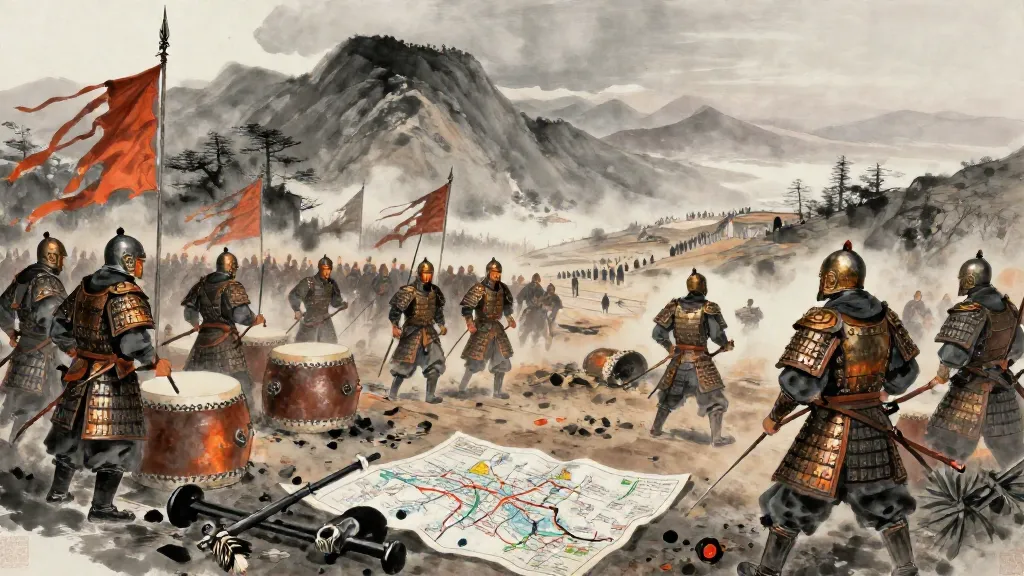
靳令則治不留
Strict Orders Mean Governance Is Not Delayed
靳令,則治不留;法平,則吏無奸。法已定矣,不以善言害法。任功,則民少言;任善,則民多言。行治曲斷,以五里斷者王,以十里斷者強,宿治者削。以刑治,以賞戰,求過不求善。故法立而不革,則顯,民變誅,計變誅止。貴齊殊使,百都之尊爵厚祿以自伐。國無奸民,則都無奸市。物多末眾,農弛奸勝,則國必削。民有餘糧,使民以粟出官爵,官爵必以其力,則農不怠。四寸之管無當,必不滿也。授官、予爵、出祿不以功,是無當也。
When orders are made strict, governance is not delayed. When the law is fair, officials are not corrupt. Once the law is established, do not let fine words harm it. When merit is the standard, the people talk little; when goodness is the standard, the people talk much. In governance and adjudication: when decisions are made within five li, there is kingship; within ten li, there is strength; when matters are left overnight, there is diminishment. Govern through punishment, wage war through reward, and seek out transgressions rather than seeking goodness. When the law is established and not changed, it becomes authoritative — those who transgress are executed and schemes of transgression are stopped. Value equality but differentiate assignments; let the respected ranks and generous salaries of the hundred capital cities serve as individual motivation. When the state has no villainous people, the capital cities have no corrupt markets. When goods are many and non-essential workers are numerous, agriculture slackens, villainy prevails, and the state will inevitably be diminished. If the people have surplus grain, let them exchange grain for official rank — but rank must correspond to actual effort, then farmers will not become negligent. A four-inch tube without a bottom can never be filled. Granting office, bestowing rank, and dispensing salary without regard to merit — this is a tube without a bottom.