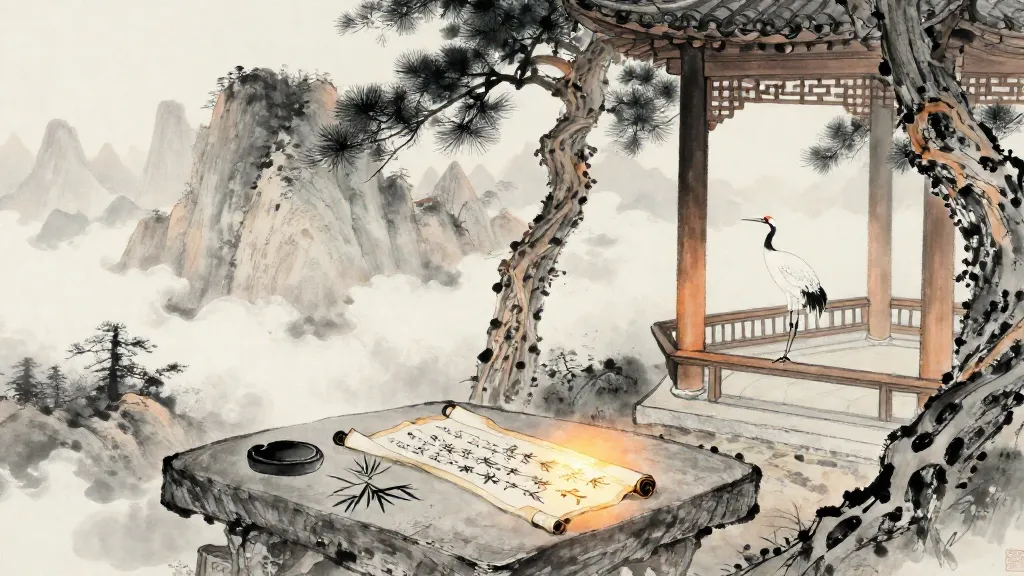
季布欒布列傳 (Biographies of Ji Bu and Luan Bu) — Chinese ink painting

Chapter 100 of 130

季布欒布列傳

Biographies of Ji Bu and Luan Bu

View:

季布匿名免禍

Ji Bu Goes into Hiding and Escapes Punishment

季布者,楚人也。為氣任俠,有名於楚。項籍使將兵,數窘漢王。及項羽滅,高祖購求布千金。季布匿濮陽周氏。周氏髡鉗季布,衣褐衣,之魯硃家所賣之。硃家乃乘軺車之洛陽,見汝陰侯滕公。硃家曰:“臣各為其主用,季布為項籍用,職耳。項氏臣可盡誅邪?今上始得天下,獨以己之私怨求一人,何示天下之不廣也!”滕公待間,果言如硃家指。上乃赦季布,拜為郎中。

Ji Bu was a man of Chu, known for his spirited character and gallantry. Under Xiang Yu, he led troops and repeatedly drove the King of Han into desperate straits. After Xiang Yu's destruction, Emperor Gaozu posted a bounty of a thousand gold for Ji Bu. Ji Bu hid with the Zhou family of Puyang. The Zhous shaved his head, fitted him with an iron collar, dressed him in coarse brown cloth, and sold him to the great outlaw Zhu Jia of Lu. Zhu Jia drove to Luoyang and met with Teng Gong, the Marquis of Ruyin. Zhu Jia argued: "Every man serves his own lord. Ji Bu served Xiang Yu — it was his duty. Can you execute every man who served Xiang Yu? The Emperor has just won the realm — if he hunts down one man out of private grudge, what does that show the realm about his breadth of spirit?" Teng Gong waited for the right moment and made the case exactly as Zhu Jia had instructed. The Emperor pardoned Ji Bu and appointed him a palace gentleman.

Notes

1person季布Jì Bù

Ji Bu (季布, fl. 200s-160s BC) was a Chu warrior famous for always keeping his word. The proverb 'A hundred gold is not worth one promise from Ji Bu' (得黃金百,不如得季布一諾) became one of the most famous sayings about trustworthiness in Chinese culture.

2person硃家Zhū Jiā

Zhu Jia (硃家) was one of the most celebrated outlaws (游俠) of the early Han. His willingness to shelter Ji Bu at great personal risk, and his effective lobbying for Ji Bu's pardon, exemplified the code of honor among the knight-errant class.

季布一諾千金與欒布哭彭越

Ji Bu's Promise Worth a Thousand Gold and Luan Bu's Mourning for Peng Yue

楚人曹丘生說季布曰:“楚人諺曰‘得黃金百,不如得季布一諾’,足下何以得此聲於梁楚間哉?”季布乃大說,引入,留數月,為上客。

欒布者,梁人也。始梁王彭越為家人時,嘗與布游。使於齊,未還,漢召彭越,夷三族。已而梟彭越頭於雒陽下,詔曰:“有敢收視者,輒捕之。”布從齊還,奏事彭越頭下,祠而哭之。上召布,罵曰:“若與彭越反邪?趣亨之。”布顧曰:“今陛下一徵兵於梁,彭王病不行,而陛下疑以為反,反形未見,以苛小案誅滅之,臣恐功臣人人自危也。”於是上乃釋布罪,拜為都尉。

The persuader Cao Qiu Sheng said to Ji Bu: "A proverb of Chu says, 'A hundred gold is not worth one promise from Ji Bu.' How did you earn such a reputation throughout Liang and Chu?" Ji Bu was greatly pleased, invited him in, kept him for months, and treated him as a honored guest.

Luan Bu was a man of Liang. He had been a companion of Peng Yue since their days as commoners. While on a mission to Qi, Peng Yue was summoned by the Emperor and his entire clan was exterminated. His head was displayed at Luoyang with a decree: "Anyone who dares collect or mourn the body will be arrested." When Luan Bu returned from Qi, he presented his report beneath Peng Yue's severed head, made an offering, and wept. The Emperor summoned him and cursed: "You conspired with Peng Yue? Boil him at once!" As he was being led to the cauldron, Luan Bu turned and said: "Your Majesty demanded troops from Liang; Peng Yue was ill and did not come. You suspected rebellion, but no evidence of rebellion existed. You destroyed him on a trivial pretext — I fear every meritorious minister will feel endangered." The Emperor thereupon pardoned Luan Bu and appointed him a commandant.

Notes

1person欒布Luán Bù

Luan Bu (欒布, d. 145 BC) was a man of Liang who rose from slavery to become a general and marquis. His defiant mourning of Peng Yue in the face of certain death embodied the same code of personal honor celebrated in Ji Bu's story.

2context

Luan Bu's speech — pointing out that if meritorious generals could be destroyed on fabricated charges, no one would feel safe — forced the Emperor to acknowledge the political cost of his own terror campaign against the kings. It was the same logic that had failed to save Peng Yue himself.

Edition & Source

Text
《史記》 Shiji
Edition
中華古詩文古書籍網 transcription
Commentary
裴駰《史記集解》、司馬貞《史記索隱》、張守節《史記正義》(Three Commentaries)