刺客列傳 (Biographies of the Assassins) — Chinese ink painting

Chapter 86 of 130

刺客列傳

Biographies of the Assassins

View:

曹沫劫齊桓公

Cao Mo Seizes Duke Huan of Qi

曹沫者,魯人也,以勇力事魯莊公。莊公好力。曹沫為魯將,與齊戰,三敗北。魯莊公懼,乃獻遂邑之地以和。猶復以為將。

齊桓公許與魯會於柯而盟。桓公與莊公既盟於壇上,曹沫執匕首劫齊桓公,桓公左右莫敢動,而問曰:"子將何欲?"曹沫曰:"齊強魯弱,而大國侵魯亦甚矣。今魯城壞即壓齊境,君其圖之。"桓公乃許盡歸魯之侵地。既已言,曹沫投其匕首,下壇,北面就群臣之位,顏色不變,辭令如故。桓公怒,欲倍其約。管仲曰:"不可。夫貪小利以自快,棄信於諸侯,失天下之援,不如與之。"於是桓公乃遂割魯侵地,曹沫三戰所亡地盡復予魯。

Cao Mo was a man of Lu who served Duke Zhuang of Lu through his courage and strength. Duke Zhuang admired physical prowess. Cao Mo served as a general of Lu, fought Qi three times, and was defeated every time. Duke Zhuang grew afraid and ceded the territory of Sui to make peace. Yet he still kept Cao Mo as general.

Duke Huan of Qi agreed to meet Duke Zhuang of Lu at Ke for a covenant ceremony. When Duke Huan and Duke Zhuang had taken their places on the altar, Cao Mo seized a dagger and held Duke Huan hostage. None of Duke Huan's attendants dared move. Duke Huan asked: "What do you want?" Cao Mo said: "Qi is strong and Lu is weak, yet your great state has encroached upon Lu grievously. Now Lu's walls are crumbling right up against Qi's border — consider that, my lord." Duke Huan thereupon promised to return all the territory seized from Lu. Once the promise was made, Cao Mo threw down his dagger, descended from the altar, took his place among the ministers facing north, his expression unchanged and his speech as composed as before. Duke Huan was furious and wanted to break the agreement. Guan Zhong said: "You must not. To snatch a petty advantage for momentary satisfaction while abandoning your word before all the lords and losing the support of All-Under-Heaven — better to give it back." Duke Huan therefore returned every parcel of land taken from Lu, and all the territory lost in Cao Mo's three defeats was restored.

Notes

1person曹沫Cáo Mò

Cao Mo (曹沫, also written 曹劌) was a warrior of Lu in the early seventh century BC. His seizure of Duke Huan at the Ke covenant (681 BC) is the earliest of the five assassination stories in this chapter.

2person齊桓公Qí Huán Gōng

Duke Huan of Qi (齊桓公, r. 685–643 BC) was the first of the Spring and Autumn hegemons. His minister Guan Zhong (管仲) advised him to honor the coerced agreement, which enhanced his reputation for trustworthiness.

3place

Ke (柯) was a town on the border of Qi and Lu, near modern Dong'e County (東阿), Shandong.

專諸刺王僚

Zhuan Zhu Assassinates King Liao

其後百六十有七年而吳有專諸之事。

專諸者,吳堂邑人也。伍子胥之亡楚而如吳也,知專諸之能。伍子胥既見吳王僚,說以伐楚之利。吳公子光曰:"彼伍員父兄皆死於楚而員言伐楚,欲自為報私讎也,非能為吳。"吳王乃止。伍子胥知公子光之欲殺吳王僚,乃曰:"彼光將有內志,未可說以外事。"乃進專諸於公子光。

光之父曰吳王諸樊。諸樊弟三人:次曰餘祭,次曰夷眛,次曰季子札。諸樊知季子札賢而不立太子,以次傳三弟,欲卒致國於季子札。諸樊既死,傳餘祭。餘祭死,傳夷眛。夷眛死,當傳季子札;季子札逃不肯立,吳人乃立夷眛之子僚為王。公子光曰:"使以兄弟次邪,季子當立;必以子乎,則光真適嗣,當立。"故嘗陰養謀臣以求立。

光既得專諸,善客待之。九年而楚平王死。春,吳王僚欲因楚喪,使其二弟公子蓋餘、屬庸將兵圍楚之灊;使延陵季子於晉,以觀諸侯之變。楚發兵絕吳將蓋餘、屬庸路,吳兵不得還。於是公子光謂專諸曰:"此時不可失,不求何獲!且光真王嗣,當立,季子雖來,不吾廢也。"專諸曰:"王僚可殺也。母老子弱,而兩弟將兵伐楚,楚絕其後。方今吳外困於楚,而內空無骨鯁之臣,是無如我何。"公子光頓首曰:"光之身,子之身也。"

四月丙子,光伏甲士於窟室中,而具酒請王僚。王僚使兵陳自宮至光之家,門戶階陛左右,皆王僚之親戚也。夾立侍,皆持長鈹。酒既酣,公子光詳為足疾,入窟室中,使專諸置匕首魚炙之腹中而進之。既至王前,專諸擘魚,因以匕首刺王僚,王僚立死。左右亦殺專諸,王人擾亂。公子光出其伏甲以攻王僚之徒,盡滅之,遂自立為王,是為闔閭。闔閭乃封專諸之子以為上卿。

One hundred and sixty-seven years later, in Wu there was the affair of Zhuan Zhu.

Zhuan Zhu was a man of Tangyi in Wu. When Wu Zixu fled Chu and came to Wu, he learned of Zhuan Zhu's abilities. Wu Zixu had an audience with King Liao of Wu and urged the advantages of attacking Chu. Prince Guang of Wu said: "Wu Yuan's father and brother were both killed by Chu — his talk of attacking Chu is for his own private revenge, not for Wu's benefit." The King of Wu dropped the plan. Wu Zixu realized that Prince Guang had designs of his own — he wanted to kill King Liao — and said: "Guang has internal ambitions; he cannot be persuaded with external affairs." He therefore recommended Zhuan Zhu to Prince Guang.

Guang's father was King Zhufan of Wu. Zhufan had three younger brothers: Yuzhai, Yimei, and the youngest, Jizha. Zhufan, knowing that Jizha was the most capable, did not designate a crown prince but passed the throne through his brothers in succession, intending that the kingship would ultimately reach Jizha. When Zhufan died, the throne passed to Yuzhai. When Yuzhai died, it passed to Yimei. When Yimei died, it should have passed to Jizha, but Jizha fled and refused to take the throne. The men of Wu then installed Yimei's son Liao as king. Prince Guang said: "If succession follows the order of brothers, then Jizha should be king. If it must go to a son, then I am the legitimate heir and should be king." He therefore secretly cultivated strategists to pursue his claim.

Having secured Zhuan Zhu, Guang treated him with the finest hospitality. Nine years passed, and King Ping of Chu died. In the spring, King Liao of Wu wished to exploit Chu's mourning and sent his two half-brothers, Princes Gaiyu and Zhuyong, to lead an army to besiege Qian in Chu. He sent Jizha of Yanling to Jin to observe the response of the lords. Chu dispatched forces to cut off the retreat of the Wu generals Gaiyu and Zhuyong, and the Wu army could not return. Prince Guang said to Zhuan Zhu: "This chance must not be lost — if we do not seize it, what will we gain? Moreover, I am the rightful heir and should be king. Even if Jizha returns, he will not depose me." Zhuan Zhu said: "King Liao can be killed. His mother is old, his son is young, and his two brothers have taken the army to attack Chu while Chu has cut their line of retreat. At present, Wu is pressed from without by Chu and hollow within, with no ministers of backbone. No one can stop us." Prince Guang bowed his head to the ground and said: "My life is yours."

On the bingzi day of the fourth month, Guang concealed armored soldiers in a cellar and prepared a banquet for King Liao. King Liao deployed soldiers from his palace all the way to Guang's house. At every gate, stairway, and entrance, the guards were King Liao's own kinsmen, standing on both sides with long halberds. When the wine was flowing freely, Prince Guang feigned a foot ailment and withdrew to the cellar. He had Zhuan Zhu conceal a dagger inside the belly of a roasted fish and present it. When the dish reached the king, Zhuan Zhu split the fish open, seized the dagger, and stabbed King Liao. The king died instantly. The guards killed Zhuan Zhu in turn, and the royal household fell into chaos. Prince Guang released his concealed troops and attacked King Liao's followers, annihilating them all. He then proclaimed himself king — this was King Helu. Helu enfeoffed Zhuan Zhu's son as a senior minister.

Notes

1person專諸Zhuān Zhū

Zhuan Zhu (專諸) was an assassin of Wu who killed King Liao at a banquet in 515 BC by hiding a dagger inside a roasted fish. He was killed on the spot but his action put King Helu on the throne.

2person闔閭Hé Lǘ

Prince Guang became King Helu of Wu (吳王闔閭, r. 514–496 BC), one of the most powerful rulers of the late Spring and Autumn period. With Wu Zixu as his chief strategist, he later conquered the Chu capital Ying.

3person季子札Jì Zǐzhá

Jizha (季子札, also called Ji Zha or Yanling Jizi) was the youngest and most talented of the four brothers but repeatedly refused the throne, preferring a life of virtue and diplomatic service. His refusal created the succession crisis that Prince Guang exploited.

豫讓刺趙襄子

Yu Rang's Attempts on Zhao Xiangzi

其後七十餘年而晉有豫讓之事。

豫讓者,晉人也,故嘗事范氏及中行氏,而無所知名。去而事智伯,智伯甚尊寵之。及智伯伐趙襄子,趙襄子與韓、魏合謀滅智伯,滅智伯之後而三分其地。趙襄子最怨智伯,漆其頭以為飲器。豫讓遁逃山中,曰:"嗟乎!士為知己者死,女為說己者容。今智伯知我,我必為報讎而死,以報智伯,則吾魂魄不愧矣。"乃變名姓為刑人,入宮塗廁,中挾匕首,欲以刺襄子。襄子如廁,心動,執問塗廁之刑人,則豫讓,內持刀兵,曰:"欲為智伯報仇!"左右欲誅之。襄子曰:"彼義人也,吾謹避之耳。且智伯亡無後,而其臣欲為報仇,此天下之賢人也。"卒醳去之。

居頃之,豫讓又漆身為厲,吞炭為啞,使形狀不可知,行乞於市。其妻不識也。行見其友,其友識之,曰:"汝非豫讓邪?"曰:"我是也。"其友為泣曰:"以子之才,委質而臣事襄子,襄子必近幸子。近幸子,乃為所欲,顧不易邪?何乃殘身苦形,欲以求報襄子,不亦難乎!"豫讓曰:"既已委質臣事人,而求殺之,是懷二心以事其君也。且吾所為者極難耳!然所以為此者,將以愧天下後世之為人臣懷二心以事其君者也。"

既去,頃之,襄子當出,豫讓伏於所當過之橋下。襄子至橋,馬驚,襄子曰:"此必是豫讓也。"使人問之,果豫讓也。於是襄子乃數豫讓曰:"子不嘗事范、中行氏乎?智伯盡滅之,而子不為報讎,而反委質臣於智伯。智伯亦已死矣,而子獨何以為之報讎之深也?"豫讓曰:"臣事范、中行氏,范、中行氏皆眾人遇我,我故眾人報之。至於智伯,國士遇我,我故國士報之。"襄子喟然嘆息而泣曰:"嗟乎豫子!子之為智伯,名既成矣,而寡人赦子,亦已足矣。子其自為計,寡人不復釋子!"使兵圍之。豫讓曰:"臣聞明主不掩人之美,而忠臣有死名之義。前君已寬赦臣,天下莫不稱君之賢。今日之事,臣固伏誅,然原請君之衣而擊之,焉以致報讎之意,則雖死不恨。非所敢望也,敢布腹心!"於是襄子大義之,乃使使持衣與豫讓。豫讓拔劍三躍而擊之,曰:"吾可以下報智伯矣!"遂伏劍自殺。死之日,趙國志士聞之,皆為涕泣。

More than seventy years later, in Jin there was the affair of Yu Rang.

Yu Rang was a man of Jin who had formerly served the Fan and Zhonghang clans, but never gained recognition. He left them and served Zhi Bo, who greatly honored and favored him. When Zhi Bo attacked Zhao Xiangzi, Zhao Xiangzi conspired with Han and Wei to destroy Zhi Bo, and after destroying him they divided his lands among themselves. Zhao Xiangzi bore the deepest grudge against Zhi Bo and had his skull lacquered and made into a drinking cup. Yu Rang fled into the mountains and said: "Alas! A man dies for the one who truly knows him, just as a woman adorns herself for the one who delights in her. Zhi Bo truly knew me. I must die avenging him — then my spirit will have nothing to be ashamed of." He changed his name, disguised himself as a convict laborer, entered the palace, and plastered the privy, concealing a dagger on his person, intending to stab Zhao Xiangzi. When Zhao Xiangzi went to the privy, he felt a sudden unease. He seized and questioned the convict plastering the walls — it was Yu Rang, with a weapon hidden on him. Yu Rang said: "I wished to avenge Zhi Bo!" The attendants wanted to kill him. Zhao Xiangzi said: "He is a man of honor. I shall simply take care to avoid him. Zhi Bo is dead and has no heirs, yet his subject seeks to avenge him — this man is one of the worthiest in All-Under-Heaven." He released him.

Some time later, Yu Rang lacquered his body to raise sores, swallowed charcoal to make himself mute, and so transformed his appearance that he was unrecognizable. He begged in the marketplace. His own wife did not know him. He encountered a friend, who recognized him and said: "Are you not Yu Rang?" He said: "I am." His friend wept and said: "With your abilities, if you pledged yourself as a subject of Zhao Xiangzi, he would surely take you into his confidence. Once in his confidence, you could do as you wished — would that not be easier? Why mutilate your body and torture your form to seek revenge on Zhao Xiangzi? Is that not impossibly hard?" Yu Rang said: "If I pledged myself as his subject and then sought to kill him, that would be serving my lord with a divided heart. What I am doing is indeed the hardest course! But my purpose in doing it is to shame all those in generations to come who serve their lords with divided hearts."

Some time after this, Zhao Xiangzi was about to go out. Yu Rang hid beneath a bridge the lord would cross. When Zhao Xiangzi reached the bridge, his horse shied. Zhao Xiangzi said: "This must be Yu Rang." He sent men to investigate — indeed it was Yu Rang. Zhao Xiangzi confronted him: "Did you not once serve the Fan and Zhonghang clans? Zhi Bo destroyed them utterly, yet you did not seek revenge for them. Instead you pledged yourself to Zhi Bo. Now Zhi Bo too is dead — why do you seek revenge for him alone with such intensity?" Yu Rang replied: "When I served the Fan and Zhonghang clans, they treated me as an ordinary man — so I repaid them as an ordinary man. As for Zhi Bo, he treated me as the finest man in the state — so I repay him as the finest man in the state." Zhao Xiangzi sighed deeply and wept, saying: "Ah, Yu Rang! Your devotion to Zhi Bo has already won you an enduring name, and I have already pardoned you once — that should suffice. Make your own arrangements. I will not release you again." He had soldiers surround him. Yu Rang said: "I have heard that an enlightened lord does not suppress another man's noble qualities, and that a loyal subject accepts the duty of dying for his name. Earlier my lord generously pardoned me, and everyone in All-Under-Heaven praised your virtue. Today I accept my execution. But I beg to strike my lord's robe, to fulfill the intent of my vengeance — then I would die without regret. I dare not hope for this, but I lay bare my heart." Zhao Xiangzi, deeply moved by his sense of honor, had an attendant bring his robe to Yu Rang. Yu Rang drew his sword, leaped three times, and struck the robe, crying: "Now I can go below and face Zhi Bo!" He fell upon his sword and killed himself. On the day of his death, every man of resolve in Zhao wept for him.

Notes

1person豫讓Yù Ràng

Yu Rang (豫讓) was a retainer of Zhi Bo (智伯, also known as Zhi Yao 智瑤), the most powerful of the four great clans of Jin, who was destroyed by the coalition of Zhao, Han, and Wei in 453 BC. Yu Rang's declaration that 'a man dies for the one who knows him' (士為知己者死) became one of the most quoted sayings in Chinese culture.

2person趙襄子Zhào Xiāng Zǐ

Zhao Xiangzi (趙襄子, Zhao Wuxu 趙無恤, d. 425 BC) was the head of the Zhao clan who helped destroy Zhi Bo and partition Jin. His magnanimity toward Yu Rang is celebrated as much as Yu Rang's loyalty itself.

3translation

國士遇我,我故國士報之 — 'He treated me as the finest man in the state, so I repay him as the finest man in the state.' This is the core moral principle of the chapter: reciprocity of recognition demands reciprocity of devotion.

聶政刺俠累

Nie Zheng Assassinates Xia Lei

其後四十餘年而軹有聶政之事。

聶政者,軹深井裡人也。殺人避仇,與母、姊如齊,以屠為事。

久之,濮陽嚴仲子事韓哀侯,與韓相俠累有卻。嚴仲子恐誅,亡去,游求人可以報俠累者。至齊,齊人或言聶政勇敢士也,避仇隱於屠者之間。嚴仲子至門請,數反,然後具酒自暢聶政母前。酒酣,嚴仲子奉黃金百溢,前為聶政母壽。聶政驚怪其厚,固謝嚴仲子。嚴仲子固進,而聶政謝曰:"臣幸有老母,家貧,客游以為狗屠,可以旦夕得甘毳以養親。親供養備,不敢當仲子之賜。"嚴仲子辟人,因為聶政言曰:"臣有仇,而行游諸侯眾矣;然至齊,竊聞足下義甚高,故進百金者,將用為大人粗糲之費,得以交足下之驩,豈敢以有求望邪!"聶政曰:"臣所以降志辱身居市井屠者,徒幸以養老母;老母在,政身未敢以許人也。"嚴仲子固讓,聶政竟不肯受也。然嚴仲子卒備賓主之禮而去。

久之,聶政母死。既已葬,除服,聶政曰:"嗟乎!政乃市井之人,鼓刀以屠;而嚴仲子乃諸侯之卿相也,不遠千里,枉車騎而交臣。臣之所以待之,至淺鮮矣,未有大功可以稱者,而嚴仲子奉百金為親壽,我雖不受,然是者徒深知政也。夫賢者以感忿睚眥之意而親信窮僻之人,而政獨安得嘿然而已乎!且前日要政,政徒以老母;老母今以天年終,政將為知己者用。"乃遂西至濮陽,見嚴仲子曰:"前日所以不許仲子者,徒以親在;今不幸而母以天年終。仲子所欲報仇者為誰?請得從事焉!"嚴仲子具告曰:"臣之仇韓相俠累,俠累又韓君之季父也,宗族盛多,居處兵衛甚設,臣欲使人刺之,終莫能就。今足下幸而不棄,請益其車騎壯士可為足下輔翼者。"聶政曰:"韓之與衛,相去中間不甚遠,今殺人之相,相又國君之親,此其勢不可以多人,多人不能無生得失,生得失則語泄,語泄是韓舉國而與仲子為讎,豈不殆哉!"遂謝車騎人徒,聶政乃辭獨行。

杖劍至韓,韓相俠累方坐府上,持兵戟而衛侍者甚衛。聶政直入,上階刺殺俠累,左右大亂。聶政大呼,所擊殺者數十人,因自皮面決眼,自屠出腸,遂以死。

More than forty years later, in Zhi there was the affair of Nie Zheng.

Nie Zheng was a man of the Deep Well district in Zhi. Having killed a man and needing to evade retribution, he fled with his mother and elder sister to Qi, where he worked as a butcher.

Some time later, Yan Zhongzi of Puyang, who served Marquis Ai of Han, had a feud with the Han minister Xia Lei. Fearing execution, Yan Zhongzi fled and traveled among the lords seeking someone who could take vengeance on Xia Lei. Coming to Qi, he heard that Nie Zheng was a brave and daring warrior hiding among the butchers to avoid an enemy. Yan Zhongzi went to his door repeatedly, then at last prepared a banquet and presented himself before Nie Zheng's mother. When the wine was flowing, Yan Zhongzi offered a hundred yi of gold as a birthday gift for Nie Zheng's mother. Nie Zheng was startled by such extravagance and firmly declined. Yan Zhongzi pressed him. Nie Zheng said: "I am fortunate that my old mother is still alive. My family is poor, and I work as a dog-butcher in a foreign land so that I can procure delicacies to nourish her day and night. Since she is well provided for, I dare not accept your gift." Yan Zhongzi dismissed the attendants and spoke to Nie Zheng privately: "I have an enemy. I have traveled among the lords far and wide. But when I reached Qi, I heard that your sense of honor is very high. The hundred gold pieces were meant for your mother's basic expenses, so that I might earn your friendship — I would not dare to make a request." Nie Zheng said: "The reason I have lowered my ambitions and endured the shame of living as a butcher in the marketplace is solely to care for my old mother. While my mother lives, I dare not pledge my life to another." Yan Zhongzi pressed again, but Nie Zheng would not accept. Yan Zhongzi completed the courtesies of host and guest and departed.

Much later, Nie Zheng's mother died. After the burial and mourning period, Nie Zheng said: "Alas! I am a man of the marketplace, plying the butcher's knife. Yet Yan Zhongzi is a minister of the lords, and he came a thousand li, turning his chariot aside to befriend me. What I offered in return was shallow indeed — I performed no great deed worthy of mention. Yet Yan Zhongzi presented a hundred gold pieces as a gift for my mother. Though I did not accept, what this shows is that he truly understood me. When a worthy man, driven by passionate resentment, places his trust in an obscure and lowly man — how can I remain silent? Moreover, when he previously sought me out, I refused only because of my mother. Now my mother has lived out her natural span. I will serve the one who knew me." He traveled west to Puyang and said to Yan Zhongzi: "The reason I refused you before was solely that my mother was alive. Now she has died at her natural age. Who is the man you wish to take vengeance upon? I am at your service!" Yan Zhongzi told him the full story: "My enemy is Xia Lei, the Minister of Han. Xia Lei is also an uncle of the ruler of Han. His clan is large and powerful, and his residence is heavily guarded. I have tried to have him assassinated but never succeeded. Now that you do not disdain me, allow me to provide you with carriages, horsemen, and warriors to serve as your support." Nie Zheng said: "Han and Wei are not far apart. To kill a state's minister — and one who is the ruler's own kinsman — many men cannot be used. With many men, something will go wrong. If something goes wrong, word will leak. If word leaks, the entire state of Han will become your enemy — is that not perilous?" He declined the carriages and men, and departed alone.

Carrying his sword, he traveled to Han. Minister Xia Lei was seated in his office, with armed guards thickly arrayed around him. Nie Zheng charged straight in, ascended the steps, and stabbed Xia Lei to death. The attendants fell into chaos. Nie Zheng roared and cut down dozens of them. Then he flayed his own face, gouged out his eyes, sliced open his belly, and pulled out his entrails, dying where he stood.

Notes

1person聶政Niè Zhèng

Nie Zheng (聶政) was an assassin from Zhi (in modern Jiyuan, Henan) who killed the Han minister Xia Lei (俠累, also known as Han Gui 韓傀) around 397 BC. He mutilated himself so that his patron Yan Zhongzi could not be identified through him.

2person嚴仲子Yán Zhòngzǐ

Yan Zhongzi (嚴仲子, also known as Yan Sui 嚴遂) was a Puyang nobleman who served the court of Han and bore a personal feud against Xia Lei. He traveled widely seeking an assassin before finding Nie Zheng.

3place

Zhi (軹) was a district in modern Jiyuan, Henan, on the border between Han and Wei.

聶榮認弟

Nie Rong Identifies Her Brother

韓取聶政屍暴於市,購問莫知誰子。於是韓縣之,有能言殺相俠累者予千金。久之莫知也。

政姊榮聞人有刺殺韓相者,賊不得,國不知其名姓,暴其屍而縣之千金,乃於邑曰:"其是吾弟與?嗟乎,嚴仲子知吾弟!"立起,如韓,之市,而死者果政也,伏屍哭極哀,曰:"是軹深井裡所謂聶政者也。"市行者諸眾人皆曰:"此人暴虐吾國相,王縣購其名姓千金,夫人不聞與?何敢來識之也?"榮應之曰:"聞之。然政所以蒙污辱自棄於市販之間者,為老母幸無恙,妾未嫁也。親既以天年下世,妾已嫁夫,嚴仲子乃察舉吾弟困污之中而交之,澤厚矣,可柰何!士固為知己者死,今乃以妾尚在之故,重自刑以絕從,妾其柰何畏歿身之誅,終滅賢弟之名!"大驚韓市人。乃大呼天者三,卒於邑悲哀而死政之旁。

晉、楚、齊、衛聞之,皆曰:"非獨政能也,乃其姊亦烈女也。鄉使政誠知其姊無濡忍之志,不重暴骸之難,必絕險千里以列其名,姊弟俱僇於韓市者,亦未必敢以身許嚴仲子也。嚴仲子亦可謂知人能得士矣!"

Han took Nie Zheng's body and exposed it in the marketplace, offering a reward for anyone who could identify him. No one knew who he was. Han posted the notice with a reward of a thousand gold pieces for anyone who could name the man who had killed Minister Xia Lei. For a long time, no one came forward.

Nie Zheng's elder sister Rong heard that someone had assassinated the Minister of Han, that the assassin could not be identified, that the state did not know his name, and that his body was on display with a thousand gold bounty. She said in grief: "Could it be my brother? Alas — Yan Zhongzi knew my brother!" She set out at once for Han, went to the marketplace, and found that the dead man was indeed Nie Zheng. She threw herself on the body and wept bitterly, crying: "This is the man called Nie Zheng, of the Deep Well district in Zhi!" The people in the marketplace said: "This man brutally murdered our minister. The king has posted a thousand-gold reward for his identity. Have you not heard? How dare you come and claim him?" Nie Rong answered: "I have heard. But the reason my brother endured shame and degraded himself among the market butchers was that our old mother was still alive and I was not yet married. Now that our mother has lived out her natural span and I am married, Yan Zhongzi looked into my brother's wretched circumstances and befriended him — his kindness was immense. What could be done? A man dies for the one who knows him. He mutilated his face only because I was still alive, to cut off the trail that might lead to me. How can I fear death and the destruction of my body, if it means erasing the name of my worthy brother?" The people of the Han marketplace were astounded. She cried out to heaven three times, then collapsed in grief and died beside her brother's body.

When the people of Jin, Chu, Qi, and Wei heard of this, they all said: "It was not Nie Zheng alone who was extraordinary — his sister too was a woman of fierce resolve. If Nie Zheng had known that his sister would not meekly endure, that she would not shrink from the danger of exposing his body, and would travel a thousand li through peril to proclaim his name — so that both brother and sister would die displayed in the Han marketplace — then he might not have dared pledge his life to Yan Zhongzi at all. Yan Zhongzi too may be called a man who understood people and could win over men of worth!"

Notes

1person聶榮Niè Róng

Nie Rong (聶榮) is Nie Zheng's elder sister, whose journey to Han to identify her brother's body — knowing it meant her own death — is celebrated as an act of fierce devotion equal to his. She refused to let his self-mutilation succeed in erasing his name.

荊軻之燕

Jing Ke Comes to Yan

其後二百二十餘年秦有荊軻之事。

荊軻者,衛人也。其先乃齊人,徙於衛,衛人謂之慶卿。而之燕,燕人謂之荊卿。

荊卿好讀書擊劍,以術說衛元君,衛元君不用。其後秦伐魏,置東郡,徙衛元君之支屬於野王。

荊軻嘗游過榆次,與蓋聶論劍,蓋聶怒而目之。荊軻出,人或言復召荊卿。蓋聶曰:"曩者吾與論劍有不稱者,吾目之;試往,是宜去,不敢留。"使使往之主人,荊卿則已駕而去榆次矣。使者還報,蓋聶曰:"固去也,吾曩者目攝之!"

荊軻游於邯鄲,魯句踐與荊軻博,爭道,魯句踐怒而叱之,荊軻嘿而逃去,遂不復會。

荊軻既至燕,愛燕之狗屠及善擊築者高漸離。荊軻嗜酒,日與狗屠及高漸離飲於燕市,酒酣以往,高漸離擊築,荊軻和而歌於市中,相樂也,已而相泣,旁若無人者。荊軻雖游於酒人乎,然其為人沈深好書;其所游諸侯,盡與其賢豪長者相結。其之燕,燕之處士田光先生亦善待之,知其非庸人也。

More than two hundred and twenty years later, in Qin there was the affair of Jing Ke.

Jing Ke was a man of Wei. His ancestors were from Qi and had moved to Wei, where people called him Qing Qing. When he went to Yan, the Yan people called him Master Jing.

Master Jing loved reading and swordsmanship. He tried to present his ideas to Lord Yuan of Wei, but Lord Yuan did not use him. Later, Qin conquered Wei and established the Eastern Commandery, relocating Lord Yuan's collateral kinsmen to Yewang.

Jing Ke once passed through Yuci and discussed swordsmanship with Gai Nie. Gai Nie grew angry and stared him down. Jing Ke left. Someone suggested calling him back. Gai Nie said: "When we discussed swords, there was something he said that was not right, so I fixed him with my gaze. Go check — he should have left, not daring to stay." A messenger was sent to his lodging, and indeed Jing Ke had already harnessed his horses and departed Yuci. The messenger returned and reported. Gai Nie said: "Of course he left. I cowed him with my look."

Jing Ke visited Handan, where Lu Goujian played a board game with him. They quarreled over a move, and Lu Goujian shouted at him angrily. Jing Ke said nothing and slipped away. They never met again.

When Jing Ke reached Yan, he grew fond of a dog butcher there and of Gao Jianli, a skilled player of the zhu. Jing Ke loved wine. Every day he drank with the dog butcher and Gao Jianli in the Yan marketplace. When the wine had taken hold, Gao Jianli would play the zhu and Jing Ke would sing along, right there in the market — delighting in each other, and then weeping together, as though no one else existed. Though Jing Ke moved in the company of drinkers, his nature was deep and reserved, and he loved books. In all his travels among the lords, he had formed bonds with every worthy, heroic, and venerable man he met. When he came to Yan, the reclusive scholar Master Tian Guang also received him warmly, recognizing that he was no ordinary man.

Notes

1person荊軻Jīng Kē

Jing Ke (荊軻, d. 227 BC) was the most famous assassin in Chinese history. His attempt to kill the King of Qin (the future First Emperor) in the Xianyang Palace is one of the defining episodes of the era.

2person高漸離Gāo Jiànlí

Gao Jianli (高漸離) was a musician who played the zhu (築), a stringed percussion instrument. After Jing Ke's death, he made his own attempt on the First Emperor's life and was executed.

3person田光Tián Guāng

Tian Guang (田光) was a reclusive scholar in Yan who recommended Jing Ke to Crown Prince Dan. He killed himself to prove he would not betray the secret.

太子丹求刺客

Crown Prince Dan Seeks an Assassin

居頃之,會燕太子丹質秦亡歸燕。燕太子丹者,故嘗質於趙,而秦王政生於趙,其少時與丹驩。及政立為秦王,而丹質於秦。秦王之遇燕太子丹不善,故丹怨而亡歸。歸而求為報秦王者,國小,力不能。其後秦日出兵山東以伐齊、楚、三晉,稍蠶食諸侯,且至於燕,燕君臣皆恐禍之至。太子丹患之,問其傅鞠武。武對曰:"秦地遍天下,威脅韓、魏、趙氏,北有甘泉、谷口之固,南有涇、渭之沃,擅巴、漢之饒,右隴、蜀之山,左關、殽之險,民眾而士厲,兵革有餘。意有所出,則長城之南,易水以北,未有所定也。柰何以見陵之怨,欲批其逆鱗哉!"丹曰:"然則何由?"對曰:"請入圖之。"

Shortly afterward, Crown Prince Dan of Yan, who had been held hostage in Qin, escaped and returned to Yan. Crown Prince Dan had previously been a hostage in Zhao. King Zheng of Qin had been born in Zhao, and as boys the two had been friends. But when Zheng became King of Qin and Dan was sent as hostage to Qin, the King of Qin treated Crown Prince Dan badly. Dan therefore bore a grudge and escaped home. Upon his return he sought someone who could take vengeance on the King of Qin, but Yan was small and lacked the strength. Thereafter Qin sent armies east year after year to attack Qi, Chu, and the Three Jin, nibbling away at the lords' territories. The threat was reaching Yan, and the court of Yan was gripped by fear. Crown Prince Dan, deeply troubled, consulted his tutor Ju Wu. Ju Wu replied: "Qin's territory spans All-Under-Heaven. It menaces Han, Wei, and Zhao. To the north it has the strongholds of Ganquan and Gukou; to the south, the fertile lands of the Jing and Wei Rivers. It commands the wealth of Ba and Han, the mountains of Long and Shu on the right, and the barrier of the Pass and Xiao on the left. Its people are numerous and its soldiers fierce — it has arms to spare. If it sets its mind on action, then everything from south of the Long Wall to north of the Yi River is uncertain. How can you, nursing the resentment of one who has been humiliated, dare to brush against the dragon's scales?" Dan said: "Then what course is there?" Ju Wu answered: "Let me go in and think on it."

Notes

1person太子丹Tàizǐ Dān

Crown Prince Dan of Yan (燕太子丹, d. 226 BC) orchestrated the assassination attempt against the King of Qin. His childhood friendship with the future First Emperor, turned to enmity by the latter's harsh treatment, is the personal motivation behind the political plot.

2person鞠武Jū Wǔ

Ju Wu (鞠武) was the tutor of Crown Prince Dan. He counseled caution and diplomatic alliances rather than assassination, but was overruled by the prince's urgency.

3translation

批其逆鱗 — 'to brush against the dragon's scales that grow in reverse' — comes from Han Feizi. The dragon can be ridden, but it has one patch of scales growing the wrong way; touch those and the dragon kills. The metaphor means provoking a ruler's wrath.

田光薦荊軻

Tian Guang Recommends Jing Ke

居有間,秦將樊於期得罪於秦王,亡之燕,太子受而舍之。鞠武諫曰:"不可。夫以秦王之暴而積怒於燕,足為寒心,又況聞樊將軍之所在乎?是謂'委肉當餓虎之蹊'也,禍必不振矣!雖有管、晏,不能為之謀也。原太子疾遣樊將軍入匈奴以滅口。請西約三晉,南連齊、楚,北購於單于,其後乃可圖也。"太子曰:"太傅之計,曠日彌久,心惛然,恐不能須臾。且非獨於此也,夫樊將軍窮困於天下,歸身於丹,丹終不以迫於彊秦而棄所哀憐之交,置之匈奴,是固丹命卒之時也。原太傅更慮之。"鞠武曰:"夫行危欲求安,造禍而求福,計淺而怨深,連結一人之後交,不顧國家之大害,此所謂'資怨而助禍'矣。夫以鴻毛燎於爐炭之上,必無事矣。且以雕鷙之秦,行怨暴之怒,豈足道哉!燕有田光先生,其為人智深而勇沈,可與謀。"太子曰:"原因太傅而得交於田先生,可乎?"鞠武曰:"敬諾。"出見田先生,道"太子原圖國事於先生也"。田光曰:"敬奉教。"乃造焉。

太子逢迎,卻行為導,跪而蔽席。田光坐定,左右無人,太子避席而請曰:"燕秦不兩立,原先生留意也。"田光曰:"臣聞騏驥盛壯之時,一日而馳千里;至其衰老,駑馬先之。今太子聞光盛壯之時,不知臣精已消亡矣。雖然,光不敢以圖國事,所善荊卿可使也。"太子曰:"原因先生得結交於荊卿,可乎?"田光曰:"敬諾。"即起,趨出。太子送至門,戒曰:"丹所報,先生所言者,國之大事也,原先生勿泄也!"田光俯而笑曰:"諾。"僂行見荊卿,曰:"光與子相善,燕國莫不知。今太子聞光壯盛之時,不知吾形已不逮也,幸而教之曰'燕秦不兩立,原先生留意也'。光竊不自外,言足下於太子也,原足下過太子於宮。"荊軻曰:"謹奉教。"田光曰:"吾聞之,長者為行,不使人疑之。今太子告光曰:'所言者,國之大事也,原先生勿泄',是太子疑光也。夫為行而使人疑之,非節俠也。"欲自殺以激荊卿,曰:"原足下急過太子,言光已死,明不言也。"因遂自刎而死。

After some time, the Qin general Fan Yuqi, having offended the King of Qin, fled to Yan. The Crown Prince received him and gave him shelter. Ju Wu remonstrated: "This cannot be done. The King of Qin's cruelty and his accumulated rage against Yan are enough to make one's blood run cold — and now he will learn where General Fan is? This is what they call 'placing raw meat in the path of a hungry tiger.' The calamity will be beyond repair! Even Guan Zhong and Yanzi could not devise a strategy for this. I beg you to send General Fan into the Xiongnu at once to remove the pretext. Then forge an alliance with the Three Jin to the west, link up with Qi and Chu to the south, and negotiate with the Shanyu to the north — only then may we plan further." The Crown Prince said: "The Grand Tutor's plan would take far too long. My heart is in turmoil — I cannot wait even a moment. Moreover, this is not merely about strategy. General Fan, desperate and with nowhere to turn in All-Under-Heaven, entrusted himself to me. I will not, under pressure from mighty Qin, cast aside a friend I have pitied and sheltered, sending him to the Xiongnu. That would be the end of me. I beg the Grand Tutor to think again." Ju Wu said: "To seek safety through dangerous action, to invite disaster while hoping for good fortune, with shallow plans and deep resentments, clinging to one man's friendship without regard for the great harm to the state — this is what they call 'funding resentment and fueling disaster.' A goose feather set on a bed of hot coals will be gone in an instant. And against a Qin as fierce as a hawk, raging with violent anger — what more is there to say? In Yan there is Master Tian Guang, a man of deep intelligence and steady courage. He is one you can consult." The Crown Prince said: "Could you introduce me to Master Tian?" Ju Wu said: "I shall." He went out to see Master Tian Guang and said: "The Crown Prince wishes to discuss affairs of state with you." Tian Guang said: "I respectfully comply." He went to the palace.

The Crown Prince came out to greet him, walking backward to lead the way, and knelt to brush off the mat for him. When Tian Guang was seated and they were alone, the Crown Prince left his mat and said: "Yan and Qin cannot both stand. I hope you will give this your attention." Tian Guang said: "I have heard that a fine steed in its prime can gallop a thousand li in a single day, but when it grows old, a nag can outrun it. The Crown Prince has heard of me in my prime, but does not know that my vitality has faded. Even so, I dare not presume to plan affairs of state. The man I recommend is my friend Master Jing — he can be employed." The Crown Prince said: "Could I form a connection with Master Jing through you?" Tian Guang said: "I shall." He rose and hurried out. The Crown Prince escorted him to the gate and cautioned him: "What I have reported to you and what you have said — these are affairs of state. I beg you not to let this leak." Tian Guang bowed his head and smiled: "I will not." Stooping with age, he went to see Jing Ke and said: "You and I are close friends — everyone in Yan knows this. The Crown Prince has heard of me in my prime but does not know my body is no longer up to the task. He instructed me, saying: 'Yan and Qin cannot both stand — I hope you will give this your attention.' Presuming on our friendship, I spoke of you to the Crown Prince. I hope you will visit him at the palace." Jing Ke said: "I shall respectfully comply." Tian Guang said: "I have heard that when a man of character acts, he does not leave others in doubt. The Crown Prince told me: 'These are affairs of state — I beg you not to let this leak.' That means the Crown Prince doubts me. To act in a way that leaves others doubting you is not the way of a man of honor." He wished to kill himself to steel Jing Ke's resolve. He said: "I beg you to go to the Crown Prince at once and tell him that Tian Guang is dead — proof that I did not speak." He then cut his own throat and died.

Notes

1person樊於期Fán Yúqī

Fan Yuqi (樊於期) was a Qin general who defected to Yan after a failed campaign. His head later became the bait used to gain an audience with the King of Qin.

2context

Tian Guang's suicide is a pivotal moment: it demonstrates the extreme code of honor that permeates this chapter, and it raises the emotional stakes for Jing Ke, who now carries not only the Crown Prince's mission but Tian Guang's sacrifice.

荊軻受命與樊於期獻首

Jing Ke Accepts the Mission and Fan Yuqi Offers His Head

荊軻遂見太子,言田光已死,致光之言。太子再拜而跪,膝行流涕,有頃而後言曰:"丹所以誡田先生毋言者,欲以成大事之謀也。今田先生以死明不言,豈丹之心哉!"荊軻坐定,太子避席頓首曰:"田先生不知丹之不肖,使得至前,敢有所道,此天之所以哀燕而不棄其孤也。今秦有貪利之心,而欲不可足也。非盡天下之地,臣海內之王者,其意不厭。今秦已虜韓王,盡納其地。又舉兵南伐楚,北臨趙;王翦將數十萬之眾距漳、鄴,而李信出太原、雲中。趙不能支秦,必入臣,入臣則禍至燕。燕小弱,數困於兵,今計舉國不足以當秦。諸侯服秦,莫敢合從。丹之私計愚,以為誠得天下之勇士使於秦,闚以重利;秦王貪,其勢必得所原矣。誠得劫秦王,使悉反諸侯侵地,若曹沫之與齊桓公,則大善矣;則不可,因而刺殺之。彼秦大將擅兵於外而內有亂,則君臣相疑,以其間諸侯得合從,其破秦必矣。此丹之上原,而不知所委命,唯荊卿留意焉。"久之,荊軻曰:"此國之大事也,臣駑下,恐不足任使。"太子前頓首,固請毋讓,然後許諾。於是尊荊卿為上卿,舍上舍。太子日造門下,供太牢具,異物間進,車騎美女恣荊軻所欲,以順適其意。

久之,荊軻未有行意。秦將王翦破趙,虜趙王,盡收入其地,進兵北略地至燕南界。太子丹恐懼,乃請荊軻曰:"秦兵旦暮渡易水,則雖欲長侍足下,豈可得哉!"荊軻曰:"微太子言,臣原謁之。今行而毋信,則秦未可親也。夫樊將軍,秦王購之金千斤,邑萬家。誠得樊將軍首與燕督亢之地圖,奉獻秦王,秦王必說見臣,臣乃得有以報。"太子曰:"樊將軍窮困來歸丹,丹不忍以己之私而傷長者之意,原足下更慮之!"

荊軻知太子不忍,乃遂私見樊於期曰:"秦之遇將軍可謂深矣,父母宗族皆為戮沒。今聞購將軍首金千斤,邑萬家,將柰何?"於期仰天太息流涕曰:"於期每念之,常痛於骨髓,顧計不知所出耳!"荊軻曰:"今有一言可以解燕國之患,報將軍之仇者,何如?"於期乃前曰:"為之柰何?"荊軻曰:"原得將軍之首以獻秦王,秦王必喜而見臣,臣左手把其袖,右手揕其匈,然則將軍之仇報而燕見陵之愧除矣。將軍豈有意乎?"樊於期偏袒搤捥而進曰:"此臣之日夜切齒腐心也,乃今得聞教!"遂自剄。太子聞之,馳往,伏屍而哭,極哀。既已不可柰何,乃遂盛樊於期首函封之。

Jing Ke then went to see the Crown Prince and told him of Tian Guang's death, delivering his final words. The Crown Prince bowed twice, fell to his knees, and crawled forward on them, weeping. After a long pause he spoke: "The reason I cautioned Master Tian not to speak was to safeguard the great plan. That Master Tian chose death to prove his silence — how could that have been my wish?" When Jing Ke was seated, the Crown Prince left his mat, touched his forehead to the ground, and said: "Master Tian, not knowing how unworthy I am, sent you to me. I dare to speak of my concerns — this must be Heaven's pity on Yan, not abandoning this orphan state. Qin's greed knows no limit. It will not be satisfied until it has swallowed every inch of land and subjugated every ruler within the seas. Qin has already captured the King of Han and absorbed all his territory. It has sent armies south against Chu and north against Zhao. Wang Jian leads hundreds of thousands along the Zhang and Ye, while Li Xin advances from Taiyuan and Yunzhong. Zhao cannot withstand Qin and must submit — and once Zhao submits, the disaster reaches Yan. Yan is small and weak, repeatedly exhausted by war. By my reckoning, even our entire state cannot stand against Qin. The lords all submit to Qin; none dares to form a vertical alliance. My foolish private plan is this: if I can get the bravest warrior in All-Under-Heaven to go to Qin, dangling rich bait — the King of Qin is greedy and will certainly take it — then if we can seize the King of Qin and force him to return all the territory seized from the lords, as Cao Mo did with Duke Huan of Qi, that would be best. If that proves impossible, then kill him. With Qin's great generals abroad commanding armies and chaos within, ruler and ministers will distrust one another, and the lords will seize the moment to form their alliance — then breaking Qin is certain. This is my highest hope, but I do not know to whom to entrust it. I beg you to consider it." After a long silence, Jing Ke said: "This is a great matter of state. I am dull and unworthy — I fear I am not equal to the task." The Crown Prince came forward, bowed his head to the ground, and urgently begged him not to decline. At last Jing Ke consented. The Crown Prince honored him as a Senior Minister, lodged him in the finest quarters, visited his gate daily, served the Grand Sacrifice, presented rare gifts, and furnished carriages, horses, and beautiful women — whatever Jing Ke wished — to satisfy his every desire.

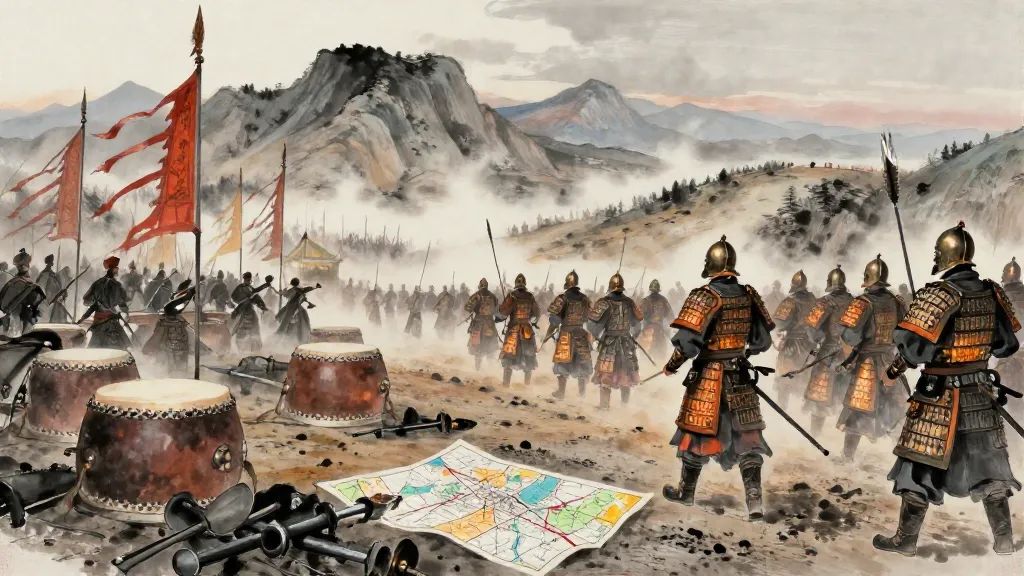
A long time passed, and Jing Ke still showed no sign of setting out. The Qin general Wang Jian had destroyed Zhao, captured the King of Zhao, absorbed all its territory, and was advancing north to the southern border of Yan. Crown Prince Dan, terrified, said to Jing Ke: "Qin's army will cross the Yi River any day now — even if I wished to attend you forever, how could I?" Jing Ke said: "Even without the Crown Prince's words, I would have wished to go. But if I go without credentials, Qin will not grant me access. General Fan's head — the King of Qin has offered a thousand catties of gold and a fief of ten thousand households for it. If I can obtain General Fan's head along with the map of Yan's Dukang territory and present them to the King of Qin, he will surely be pleased to receive me, and then I will have my chance." The Crown Prince said: "General Fan came to me in desperate straits. I cannot bear to sacrifice a worthy man's trust for my own purposes. I beg you to think of another way."

Jing Ke knew the Crown Prince could not bring himself to do it, so he went privately to see Fan Yuqi: "Qin's treatment of the General has been cruel beyond measure — your parents and clan have all been slaughtered. Now I hear there is a bounty of a thousand catties of gold and ten thousand households for your head. What will you do?" Fan Yuqi looked up to heaven, drew a deep breath, and wept: "Every time I think of it, the pain penetrates to my marrow. But I have no plan." Jing Ke said: "I have a proposal that can relieve Yan's peril and avenge the General's wrongs. What do you say?" Fan Yuqi stepped forward: "What is it?" Jing Ke said: "I wish to take the General's head and present it to the King of Qin. The King of Qin will surely be pleased and grant me an audience. I will seize his sleeve with my left hand and stab him in the chest with my right. Then the General's revenge will be accomplished and Yan's humiliation erased. Would the General consider this?" Fan Yuqi bared one shoulder, gripped his wrist, and stepped forward: "This is what I have been grinding my teeth and burning with anguish over day and night — and now I hear the way!" He cut his own throat. When the Crown Prince heard, he rushed to the scene and threw himself on the body, weeping bitterly. But what was done could not be undone. He placed Fan Yuqi's head in a box and sealed it.
Notes

1person王翦Wáng Jiǎn

Wang Jian (王翦) was the supreme Qin general who destroyed Zhao (228 BC) and later Chu (223 BC). His advance to Yan's border created the urgency that forced the assassination plot into motion.

2place

Dukang (督亢) was a fertile region of Yan in the area of modern Zhuozhou and Gu'an in Hebei. Its map was used as bait because Qin coveted the territory.

易水送別

Farewell at the Yi River

於是太子豫求天下之利匕首,得趙人徐夫人匕首,取之百金,使工以藥焠之,以試人,血濡縷,人無不立死者。乃裝為遣荊卿。燕國有勇士秦舞陽,年十三,殺人,人不敢忤視。乃令秦舞陽為副。荊軻有所待,欲與俱;其人居遠未來,而為治行。頃之,未發,太子遲之,疑其改悔,乃復請曰:"日已盡矣,荊卿豈有意哉?丹請得先遣秦舞陽。"荊軻怒,叱太子曰:"何太子之遣?往而不返者,豎子也!且提一匕首入不測之彊秦,仆所以留者,待吾客與俱。今太子遲之,請辭決矣!"遂發。

太子及賓客知其事者,皆白衣冠以送之。至易水之上,既祖,取道,高漸離擊築,荊軻和而歌,為變徵之聲,士皆垂淚涕泣。又前而為歌曰:"風蕭蕭兮易水寒,壯士一去兮不復還!"復為羽聲慷慨,士皆瞋目,發盡上指冠。於是荊軻就車而去,終已不顧。

The Crown Prince had meanwhile sought the sharpest dagger in All-Under-Heaven and obtained one made by the Zhao craftsman known as Master Xu. He paid a hundred gold pieces for it and had an artisan temper it with poison. When tested on a man, the blood soaked a single thread of silk and the victim died instantly. They prepared Jing Ke for departure. In Yan there was a brave youth named Qin Wuyang, who at thirteen had killed a man — no one dared look him in the eye. He was assigned as Jing Ke's second. But Jing Ke was waiting for someone else, wishing to take that person along. The man lived far away and had not yet arrived, and meanwhile the preparations for departure were completed. Time passed and Jing Ke still had not set out. The Crown Prince grew impatient, suspected he had changed his mind, and said: "The days are running out. Does Master Jing still intend to go? Allow me to send Qin Wuyang ahead." Jing Ke was furious and rebuked the Crown Prince: "What is the Crown Prince sending? To go and not return — that is the work of a boy! I am carrying a single dagger into the unfathomable might of Qin. The reason I have delayed is that I am waiting for a companion to come with me. Since the Crown Prince thinks I am stalling — very well, I take my leave now!" He departed.

The Crown Prince and all the guests who knew of the plan wore white caps and robes to see him off. At the bank of the Yi River, after the road sacrifice was performed and they were about to set out, Gao Jianli struck the zhu and Jing Ke sang along, in the mournful bianzhi mode. Every warrior wept. Then Jing Ke came forward and sang:

"The wind sighs, sighs — the Yi River is cold. The warrior departs — and will not return!"

Then the music shifted to the fierce yu mode, stirring and passionate. Every warrior's eyes blazed, and their hair stood on end beneath their caps. Jing Ke mounted his chariot and drove away. He never looked back.

Notes

1context

The farewell at the Yi River (易水送別) is one of the most celebrated scenes in Chinese literature. Jing Ke's song — 風蕭蕭兮易水寒,壯士一去兮不復還 — has been quoted and alluded to for over two thousand years as the epitome of tragic heroism.

2place

The Yi River (易水) flows through modern Yi County (易縣), Hebei. It was the border between Yan and Zhao's former territories.

3context

The bianzhi (變徵) and yu (羽) are two of the five pentatonic modes in Chinese music theory. Bianzhi is associated with sorrow, while yu is associated with anger and martial vigor — the shift from mourning to fury mirrors the emotional arc of the scene.

圖窮匕見

The Map Unrolls and the Dagger Appears

遂至秦,持千金之資幣物,厚遺秦王寵臣中庶子蒙嘉。嘉為先言於秦王曰:"燕王誠振怖大王之威,不敢舉兵以逆軍吏,原舉國為內臣,比諸侯之列,給貢職如郡縣,而得奉守先王之宗廟。恐懼不敢自陳,謹斬樊於期之頭,及獻燕督亢之地圖,函封,燕王拜送於庭,使使以聞大王,唯大王命之。"秦王聞之,大喜,乃朝服,設九賓,見燕使者鹹陽宮。荊軻奉樊於期頭函,而秦舞陽奉地圖柙,以次進。至陛,秦舞陽色變振恐,群臣怪之。荊軻顧笑舞陽,前謝曰:"北蕃蠻夷之鄙人,未嘗見天子,故振慴。原大王少假借之,使得畢使於前。"秦王謂軻曰:"取舞陽所持地圖。"軻既取圖奏之,秦王發圖,圖窮而匕首見。因左手把秦王之袖,而右手持匕首揕之。未至身,秦王驚,自引而起,袖絕。拔劍,劍長,操其室。時惶急,劍堅,故不可立拔。荊軻逐秦王,秦王環柱而走。群臣皆愕,卒起不意,盡失其度。而秦法,群臣侍殿上者不得持尺寸之兵;諸郎中執兵皆陳殿下,非有詔召不得上。方急時,不及召下兵,以故荊軻乃逐秦王。而卒惶急,無以擊軻,而以手共搏之。是時侍醫夏無且以其所奉藥囊提荊軻也。秦王方環柱走,卒惶急,不知所為,左右乃曰:"王負劍!"負劍,遂拔以擊荊軻,斷其左股。荊軻廢,乃引其匕首以擿秦王,不中,中桐柱。秦王復擊軻,軻被八創。軻自知事不就,倚柱而笑,箕踞以罵曰:"事所以不成者,以欲生劫之,必得約契以報太子也。"於是左右既前殺軻,秦王不怡者良久。已而論功,賞群臣及當坐者各有差,而賜夏無且黃金二百溢,曰:"無且愛我,乃以藥囊提荊軻也。"

They reached Qin. Carrying gifts worth a thousand gold pieces, Jing Ke lavished bribes on Meng Jia, a favored attendant of the King of Qin. Meng Jia spoke to the king first: "The King of Yan truly trembles before Your Majesty's power. He dares not raise arms against your officers. He wishes to submit his entire state as an inner vassal, ranked among the lords, paying tribute and performing services like a commandery — so that he may preserve the ancestral temples of his forebears. In fear and trepidation, he dares not present his case in person. He has respectfully beheaded Fan Yuqi and offers the map of Yan's Dukang territory, sealed in a box. The King of Yan bowed in farewell at his court and sends this envoy to inform Your Majesty. All is at Your Majesty's command." The King of Qin was greatly pleased. He donned his court robes, arranged the ceremony of the Nine Guests, and received the Yan envoy in the Xianyang Palace. Jing Ke bore the box containing Fan Yuqi's head, while Qin Wuyang bore the map case. They advanced in order. At the steps of the throne, Qin Wuyang's face changed color and he shook with terror. The ministers stared. Jing Ke glanced back and smiled at Wuyang, then stepped forward with an apology: "He is a rough man from the northern frontier who has never seen the Son of Heaven. That is why he trembles. May Your Majesty indulge him briefly, so that he may complete his mission before you." The King of Qin said to Jing Ke: "Bring me the map that Wuyang is holding." Jing Ke took the map and presented it. The King of Qin unrolled it. As the map reached its end, the dagger appeared. Jing Ke seized the king's sleeve with his left hand and grabbed the dagger with his right to stab him. Before the blade reached the king's body, the king started back and leaped to his feet — the sleeve tore away. He reached for his sword, but the sword was long and caught in its scabbard. In his frantic haste, the blade was stuck fast and would not come free. Jing Ke chased the King of Qin. The king ran around a pillar. The ministers were all stunned — the crisis had erupted without warning and they lost all composure. Under Qin law, ministers attending in the hall were not permitted to carry so much as an inch of blade. The armed guards were all posted below the hall and could not ascend without a royal summons. In the emergency there was no time to summon them, and so Jing Ke chased the king. In the panic, with nothing to strike Jing Ke with, they tried to grapple him with their bare hands. At that moment the royal physician Xia Wuqie hurled his medicine bag at Jing Ke. The King of Qin was still running around the pillar, frantic and bewildered, when his attendants cried: "Your Majesty — sling the sword to your back!" He slung it to his back, drew it, and struck Jing Ke, severing his left thigh. Jing Ke collapsed. He hurled his dagger at the king — it missed, striking a bronze pillar. The king struck Jing Ke again. Jing Ke sustained eight wounds. Knowing the mission had failed, he leaned against the pillar and laughed, then sat with legs spread and cursed: "The reason I failed is that I wanted to seize you alive and force a treaty, to repay the Crown Prince." The attendants then rushed forward and killed him. The King of Qin was unsettled for a long time afterward. When merit was assessed, the ministers and those who had been involved were rewarded according to their rank. The physician Xia Wuqie was given two hundred yi of gold, with the words: "Wuqie showed his devotion to me by hurling his medicine bag at Jing Ke."

Notes

1translation

圖窮匕見 (tú qióng bǐ xiàn) — 'the map unrolls to its end and the dagger is revealed' — became one of the most famous idioms in Chinese, meaning that hidden intentions are finally exposed.

2context

The Nine Guests ceremony (九賓) was the most elaborate reception protocol of the Qin court, reserved for the most important diplomatic occasions. Its use here shows how completely the King of Qin was taken in by the ruse.

3translation

箕踞 (jī jù) — sitting with legs spread — was considered extremely rude in ancient China, where the formal position was kneeling. Jing Ke adopts this posture deliberately as a final gesture of contempt.

燕亡與高漸離之死

The Fall of Yan and the Death of Gao Jianli

於是秦王大怒,益發兵詣趙,詔王翦軍以伐燕。十月而拔薊城。燕王喜、太子丹等盡率其精兵東保於遼東。秦將李信追擊燕王急,代王嘉乃遺燕王喜書曰:"秦所以尤追燕急者,以太子丹故也。今王誠殺丹獻之秦王,秦王必解,而社稷幸得血食。"其後李信追丹,丹匿衍水中,燕王乃使使斬太子丹,欲獻之秦。秦復進兵攻之。後五年,秦卒滅燕,虜燕王喜。

其明年,秦並天下,立號為皇帝。於是秦逐太子丹、荊軻之客,皆亡。高漸離變名姓為人庸保,匿作於宋子。久之,作苦,聞其家堂上客擊築,傍徨不能去。每出言曰:"彼有善有不善。"從者以告其主,曰:"彼庸乃知音,竊言是非。"家丈人召使前擊築,一坐稱善,賜酒。而高漸離念久隱畏約無窮時,乃退,出其裝匣中築與其善衣,更容貌而前。舉坐客皆驚,下與抗禮,以為上客。使擊築而歌,客無不流涕而去者。宋子傳客之,聞於秦始皇。秦始皇召見,人有識者,乃曰:"高漸離也。"秦皇帝惜其善擊築,重赦之,乃矐其目。使擊築,未嘗不稱善。稍益近之,高漸離乃以鉛置築中,復進得近,舉築朴秦皇帝,不中。於是遂誅高漸離,終身不復近諸侯之人。

The King of Qin was enraged. He dispatched additional armies toward Zhao and ordered Wang Jian's forces to attack Yan. Within ten months they took Ji, the Yan capital. King Xi of Yan, Crown Prince Dan, and others retreated east with their best troops to Liaodong. The Qin general Li Xin pressed the pursuit. The King of Dai, Jia, sent a letter to King Xi of Yan: "The reason Qin pursues Yan so relentlessly is because of Crown Prince Dan. If Your Majesty kills Dan and presents his head to the King of Qin, the King of Qin will surely relent, and the state may yet survive." When Li Xin closed in, Crown Prince Dan hid among the marshes of the Yan River. The King of Yan sent men to behead Crown Prince Dan, intending to present the head to Qin. Qin continued its advance regardless. Five years later, Qin finally destroyed Yan and captured King Xi.

The following year, Qin unified All-Under-Heaven and established the title of Emperor. Qin then hunted down the associates of Crown Prince Dan and Jing Ke. All of them fled. Gao Jianli changed his name and hired himself out as a laborer, working in hiding at Songzi. After a long time of toil, he heard a guest playing the zhu in his employer's hall and could not bear to leave. Each time, he would say: "That passage was good; that one was not." A servant told the master: "That laborer knows music — he keeps commenting on the playing." The master summoned him to play. The entire room praised his skill and offered him wine. Gao Jianli reflected that he could not live in hiding and fear forever. He withdrew, brought out his own zhu and fine clothes from his traveling case, changed his appearance, and came forward. The entire company was astonished. They stepped down to greet him as an equal and seated him in the place of honor. He played the zhu and sang, and not a single guest left without tears. Word of him spread through Songzi and reached the First Emperor. The First Emperor summoned him. Someone who recognized him said: "That is Gao Jianli." The Emperor, valuing his musical skill, spared his life but had his eyes put out. He had Gao Jianli play the zhu, and the Emperor always praised the music. Gradually he allowed him closer. Gao Jianli then filled his zhu with lead. When he was next admitted close to the Emperor, he swung the zhu at the First Emperor — but missed. Gao Jianli was executed. The Emperor never again allowed anyone from the former lords' states near his person.

Notes

1place

Ji (薊) was the capital of Yan, located at modern Beijing. Its fall in 226 BC marked the effective end of Yan as a power, though the royal house survived in Liaodong for five more years.

2place

Liaodong (遼東) was the far northeastern region beyond the Liao River, in modern Liaoning province. It was the last refuge of the Yan court.

3context

Gao Jianli's assassination attempt — filling his instrument with lead and swinging it at the Emperor — mirrors the chapter's central theme: loyalty to the dead transcends self-preservation. His blinding and continued proximity to the Emperor also shows the First Emperor's fatal weakness for aesthetic pleasure.

太史公曰

The Grand Historian's Comment

魯句踐已聞荊軻之刺秦王,私曰:"嗟乎,惜哉其不講於刺劍之術也!甚矣吾不知人也!曩者吾叱之,彼乃以我為非人也!"

太史公曰:世言荊軻,其稱太子丹之命,"天雨粟,馬生角"也,太過。又言荊軻傷秦王,皆非也。始公孫季功、董生與夏無且游,具知其事,為余道之如是。自曹沫至荊軻五人,此其義或成或不成,然其立意較然,不欺其志,名垂後世,豈妄也哉!

曹沫盟柯,返魯侵地。專諸進炙,定吳篡位。彰弟哭市,報主塗廁。刎頸申冤,操袖行事。暴秦奪魄,懦夫增氣。

Lu Goujian, upon hearing that Jing Ke had attempted to assassinate the King of Qin, said privately: "Alas, what a pity that he did not master the art of the stabbing sword! How wrong I was in my judgment of the man! When I berated him that day, he must have thought me beneath contempt!"

The Grand Historian comments: Popular accounts of Jing Ke claim that Crown Prince Dan's mission was foretold by signs — that heaven rained grain and horses grew horns — but this is excessive. Others say Jing Ke wounded the King of Qin — this too is wrong. I learned the true facts from Gongsun Jigong and Master Dong, who had known the physician Xia Wuqie personally and told me the story as it happened. From Cao Mo to Jing Ke, these five men — some succeeded in their purpose and some did not. But their intentions were clear and plain. They did not betray their own convictions, and their names have been handed down to posterity. Is this not fitting?

Cao Mo swore the covenant at Ke and restored Lu's lost land. Zhuan Zhu presented the roasted fish and secured the usurper's throne. The sister wept in the marketplace to proclaim her brother; the avenger plastered the privy to repay his lord. One cut his throat to clear the way; another seized a sleeve to strike. Fearsome Qin was shaken to its core, and even cowards found their courage.

Notes

1context

Sima Qian's final comment is notable for its historical rigor — he corrects popular legends and cites his actual sources (Gongsun Jigong and Master Dong, who knew the eyewitness Xia Wuqie). This is characteristic of his method throughout the Shiji.

2translation

The concluding verse summarizes all five assassins in paired couplets: Cao Mo (covenant at Ke), Zhuan Zhu (fish-dagger), Nie Rong/Nie Zheng (marketplace/privy), and Jing Ke (seized the sleeve). The final line elevates their collective significance.

Edition & Source

Text
《史記》 Shiji
Edition
中華古詩文古書籍網 transcription
Commentary
裴駰《史記集解》、司馬貞《史記索隱》、張守節《史記正義》(Three Commentaries)