李斯列傳 (Biography of Li Si) — Chinese ink painting

Chapter 87 of 130

李斯列傳

Biography of Li Si

View:

廁鼠倉鼠

The Privy Rat and the Granary Rat

李斯者,楚上蔡人也。年少時,為郡小吏,見吏舍廁中鼠食不絜,近人犬,數驚恐之。斯入倉,觀倉中鼠,食積粟,居大廡之下,不見人犬之憂。於是李斯乃嘆曰:"人之賢不肖譬如鼠矣,在所自處耳!"

乃從荀卿學帝王之術。學已成,度楚王不足事,而六國皆弱,無可為建功者,欲西入秦。辭於荀卿曰:"斯聞得時無怠,今萬乘方爭時,游者主事。今秦王欲吞天下,稱帝而治,此布衣馳騖之時而遊說者之秋也。處卑賤之位而計不為者,此禽鹿視肉,人面而能彊行者耳。故詬莫大於卑賤,而悲莫甚於窮困。久處卑賤之位,困苦之地,非世而惡利,自託於無為,此非士之情也。故斯將西說秦王矣。"

Li Si was a man of Shangcai in Chu. In his youth he served as a minor clerk in the commandery. He observed the rats in the privy of the clerks' quarters — they ate filthy scraps and were startled by every passing person or dog. Then Li Si went into the granary and observed the rats there — they feasted on heaped-up grain, sheltered beneath the great eaves, and were troubled by neither people nor dogs. Li Si sighed and said: "A man's worth or worthlessness is like these rats — it all depends on where he places himself!"

He thereupon went to study the arts of emperors and kings under Xunzi. When his studies were complete, he reckoned that the King of Chu was not worth serving and that the six states were all in decline, with no prospect for building great achievements. He wished to go west to Qin. He took his leave of Xunzi, saying: "I have heard that when opportunity comes, one must not be idle. The great states are contending now, and traveling advisors are the ones who direct affairs. The King of Qin wishes to swallow All-Under-Heaven and rule as Emperor — this is the season for commoners to gallop forth and the harvest-time for persuaders. To sit in a lowly position and make no plans — that is to be an animal staring at meat, wearing a human face but walking on all fours. No disgrace is greater than baseness, and no sorrow is deeper than poverty. To remain long in a lowly position and a wretched place, condemning the world and despising profit, entrusting oneself to inaction — this is not the true nature of a man of ambition. Therefore I shall go west and present my case to the King of Qin."

Notes

1person李斯Lǐ Sī

Li Si (李斯, d. 208 BC) was the chief minister of the Qin dynasty who helped the First Emperor unify China, standardize script and measurements, and implement Legalist governance. His career — from obscure clerk to chancellor, then to execution — is one of the great rises and falls in Chinese history.

2place

Shangcai (上蔡) was a district in the state of Chu, located at modern Shangcai County, Henan. Li Si famously recalled it in his final words before execution.

3person荀卿Xún Qīng

Xunzi (荀卿, c. 313–238 BC) was one of the most influential Confucian philosophers, though his students Li Si and Han Fei became the architects of Legalist statecraft. His emphasis on human nature's malleability and the importance of institutional structures bridged Confucian and Legalist thought.

說秦王併天下

Persuading the King of Qin to Unify the Realm

至秦,會莊襄王卒,李斯乃求為秦相文信侯呂不韋舍人;不韋賢之,任以為郎。李斯因以得說,說秦王曰:"胥人者,去其幾也。成大功者,在因瑕釁而遂忍之。昔者秦穆公之霸,終不東並六國者,何也?諸侯尚眾,周德未衰,故五伯迭興,更尊周室。自秦孝公以來,周室卑微,諸侯相兼,關東為六國,秦之乘勝役諸侯,蓋六世矣。今諸侯服秦,譬若郡縣。夫以秦之彊,大王之賢,由灶上騷除,足以滅諸侯,成帝業,為天下一統,此萬世之一時也。今怠而不急就,諸侯復彊,相聚約從,雖有黃帝之賢,不能並也。"秦王乃拜斯為長史,聽其計,陰遣謀士齎持金玉以遊說諸侯。諸侯名士可下以財者,厚遺結之;不肯者,利劍刺之。離其君臣之計,秦王乃使其良將隨其後。秦王拜斯為客卿。

Li Si arrived in Qin just as King Zhuangxiang had died. He sought a position as a retainer under the Chancellor, Marquis Wenxin — Lü Buwei — who recognized his talent and appointed him as a gentleman-attendant. Through this position Li Si gained the opportunity to present his case. He addressed the King of Qin: "He who would win over people must seize the critical moment. He who would accomplish great deeds must exploit the cracks and press through without hesitation. In the past, Duke Mu of Qin achieved hegemony but never unified the six states to the east. Why? Because the lords were still numerous and the virtue of Zhou had not yet faded — hence the Five Hegemons rose in succession, each honoring the Zhou court. But from Duke Xiao of Qin onward, the Zhou court declined into insignificance. The lords have been devouring one another. East of the passes there are now only six states, and Qin has been riding its victories and commanding the lords for six generations. Today the lords submit to Qin as though they were commanderies and counties. With Qin's strength and Your Majesty's ability, sweeping them away would be like brushing crumbs from a stove-top — enough to destroy the lords, complete the imperial enterprise, and bring All-Under-Heaven under one rule. This is a once-in-ten-thousand-generations opportunity. If you hesitate and do not press forward, the lords will recover their strength and band together in a vertical alliance — then even with the wisdom of the Yellow Emperor, you could not unite them." The King of Qin appointed Li Si as Senior Secretary and adopted his strategy. He secretly dispatched agents carrying gold and jade to bribe and persuade the lords' courts. Those distinguished men who could be won over with wealth were richly bribed and bound to Qin. Those who would not comply were assassinated. The purpose was to sever the bonds between rulers and ministers. The King of Qin then sent his best generals to follow up. The king appointed Li Si as Guest Minister.

Notes

1context

Li Si's strategy for unification combined bribery, assassination of foreign statesmen, and military conquest — a three-pronged approach that systematically dismantled the diplomatic networks holding the six states together.

2translation

客卿 (kè qīng, Guest Minister) was a Qin institutional title for officials recruited from other states. It gave them ministerial rank while acknowledging their foreign origin — a system that Qin's domestic aristocrats resented.

諫逐客書

The Memorial Against the Expulsion of Foreign Officials

會韓人鄭國來間秦,以作注溉渠,已而覺。秦宗室大臣皆言秦王曰:"諸侯人來事秦者,大抵為其主游間於秦耳,請一切逐客。"李斯議亦在逐中。斯乃上書曰:

臣聞吏議逐客,竊以為過矣。昔繆公求士,西取由余於戎,東得百里奚於宛,迎蹇叔於宋,來丕豹、公孫支於晉。此五子者,不產於秦,而繆公用之,並國二十,遂霸西戎。孝公用商鞅之法,移風易俗,民以殷盛,國以富彊,百姓樂用,諸侯親服,獲楚、魏之師,舉地千里,至今治彊。惠王用張儀之計,拔三川之地,西並巴、蜀,北收上郡,南取漢中,包九夷,制鄢、郢,東據成皋之險,割膏腴之壤,遂散六國之從,使之西面事秦,功施到今。昭王得范睢,廢穰侯,逐華陽,彊公室,杜私門,蠶食諸侯,使秦成帝業。此四君者,皆以客之功。由此觀之,客何負於秦哉!向使四君卻客而不內,疏士而不用,是使國無富利之實而秦無彊大之名也。

今陛下致崑山之玉,有隨、和之寶,垂明月之珠,服太阿之劍,乘纖離之馬,建翠鳳之旗,樹靈鼉之鼓。此數寶者,秦不生一焉,而陛下說之,何也?必秦國之所生然後可,則是夜光之璧不飾朝廷,犀象之器不為玩好,鄭、衛之女不充後宮,而駿良駃騠不實外廄,江南金錫不為用,西蜀丹青不為采。所以飾後宮充下陳娛心意說耳目者,必出於秦然後可,則是宛珠之簪,傅璣之珥,阿縞之衣,錦繡之飾不進於前,而隨俗雅化佳冶窈窕趙女不立於側也。夫擊甕叩缶彈箏搏髀,而歌呼嗚嗚快耳者,真秦之聲也;鄭、衛、桑間、昭、虞、武、象者,異國之樂也。今棄擊甕叩缶而就鄭衛,退彈箏而取昭虞,若是者何也?快意當前,適觀而已矣。今取人則不然。不問可否,不論曲直,非秦者去,為客者逐。然則是所重者在乎色樂珠玉,而所輕者在乎人民也。此非所以跨海內制諸侯之術也。

臣聞地廣者粟多,國大者人眾,兵彊則士勇。是以太山不讓土壤,故能成其大;河海不擇細流,故能就其深;王者不卻眾庶,故能明其德。是以地無四方,民無異國,四時充美,鬼神降福,此五帝、三王之所以無敵也。今乃棄黔首以資敵國,卻賓客以業諸侯,使天下之士退而不敢西向,裹足不入秦,此所謂"藉寇兵而齎盜糧"者也。

夫物不產於秦,可寶者多;士不產於秦,而原忠者眾。今逐客以資敵國,損民以益讎,內自虛而外樹怨於諸侯,求國無危,不可得也。

It happened that a man of Han named Zheng Guo came to Qin as a spy, working on the construction of an irrigation canal. His true purpose was eventually discovered. The Qin royal clan and senior ministers all told the king: "The men from the lords' states who come to serve Qin are, for the most part, working as agents for their own rulers. We request that all foreign officials be expelled." Li Si was among those slated for expulsion. He submitted a memorial:

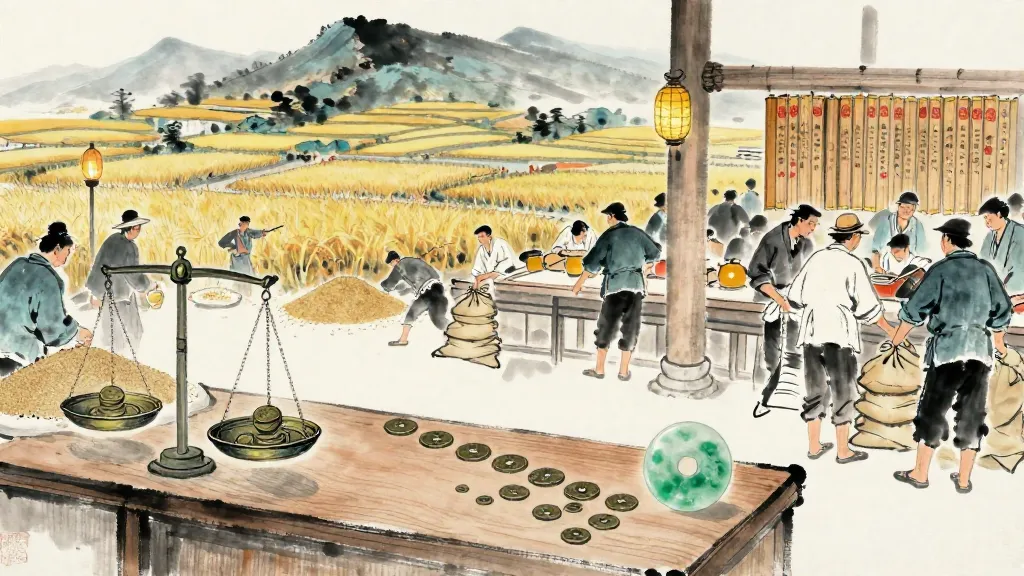
"I have heard that the officials are discussing the expulsion of foreigners. I humbly consider this a mistake. In the past, Duke Mu sought men of talent: he obtained You Yu from the Rong in the west, gained Baili Xi from Wan in the east, welcomed Jian Shu from Song, and brought Pi Bao and Gongsun Zhi from Jin. These five men were not born in Qin, yet Duke Mu employed them, annexed twenty states, and achieved hegemony over the western Rong. Duke Xiao adopted the laws of Shang Yang, transformed customs and manners, enriched the people, strengthened the state, won the willing service of the populace and the submission of the lords, captured the armies of Chu and Wei, and extended Qin's territory by a thousand li — the effects last to this day. King Hui employed the stratagems of Zhang Yi, seized the Sanchuan lands, annexed Ba and Shu to the west, took Shang Commandery in the north, acquired Hanzhong in the south, absorbed the Nine Yi, dominated Yan and Ying, held the strategic pass of Chenggao in the east, and carved away the richest territories — thus dissolving the six states' vertical alliance and making them face west and serve Qin, a legacy that endures to the present. King Zhao obtained Fan Sui, dismissed the Marquis of Rang, expelled the Huayang faction, strengthened the royal house, blocked the private gates, nibbled away at the lords, and set Qin on the path to empire. These four rulers all achieved their successes through the work of foreigners. From this perspective, what have foreigners ever done to harm Qin? Had these four rulers rejected foreigners and refused to admit them, denied scholars and refused to employ them, then the state would have had no real wealth and Qin would have had no name for strength.

"Now Your Majesty possesses jade from the Kunlun Mountains, the treasures of Sui and He, pearls of the Bright Moon, the Tai'e sword, the Xianli horse, the Kingfisher-Phoenix banner, and the Spirit-Crocodile drum. Not one of these precious things was produced in Qin, yet Your Majesty delights in them. Why? If only what Qin produces were acceptable, then the Night-Shining Jade would not adorn the court, rhinoceros-horn and ivory vessels would not serve as playthings, the women of Zheng and Wei would not fill the inner palace, fine horses would not stock the stables, gold and tin from south of the Yangtze would not be used, and vermilion and azurite from western Shu would not provide pigments. If everything that adorns the inner palace, delights the heart, and pleases the eye and ear must come from Qin, then pearl-studded hairpins, bejeweled earrings, garments of Donghe silk, brocade embroidery — none of these would be set before you, and the graceful, alluring women of Zhao would not stand at your side. As for banging on jugs, rapping on crocks, twanging the zheng, and slapping thighs while singing in that droning way — that is truly Qin's native music. The music of Zheng and Wei, of Sangjian, Zhao, Yu, Wu, and Xiang — that is foreign music. Yet now you abandon the jug-banging and crock-rapping for the music of Zheng and Wei, set aside the zheng for the melodies of Zhao and Yu. Why? Because what pleases at the moment and suits the eye is all that matters. But in selecting men, you do the opposite. Without asking whether they are fit, without considering right or wrong — if they are not from Qin, they go; if they are foreigners, they are expelled. Then what you value is music, women, pearls, and jade, and what you disregard is people. This is not the way to stride over the realm and command the lords.

"I have heard that where land is broad, grain is plentiful; where a state is great, people are numerous; where arms are strong, soldiers are brave. Mount Tai does not reject any soil — that is how it achieved its height. Rivers and seas do not refuse any stream — that is how they achieved their depth. A king does not turn away the multitudes — that is how he makes his virtue manifest. Therefore: territory knows no fixed direction, people know no native or foreign, the four seasons are filled with bounty, and the spirits send down blessings — this is why the Five Emperors and Three Kings were without rival. Now you would cast away the black-headed people to strengthen enemy states, and reject guest officials to build up the lords' power, causing the talented men of All-Under-Heaven to retreat and not dare face west, wrapping their feet and refusing to enter Qin. This is what they call 'lending arms to bandits and provisions to thieves.'

"There are many things not produced in Qin that are worth treasuring; there are many men not born in Qin who wish to be loyal. To expel foreigners now is to strengthen enemy states and diminish your own people, to hollow yourself out within while breeding resentment among the lords abroad. To seek a state free from danger under such conditions — that cannot be achieved."
Notes

1context

The Memorial Against the Expulsion of Foreign Officials (諫逐客書) is one of the most famous pieces of political rhetoric in Chinese history. Its argument — that Qin's greatness was built by foreigners — persuaded the king to reverse the expulsion order and retain Li Si.

2person鄭國Zhèng Guó

Zheng Guo (鄭國) was a hydraulic engineer from Han sent to Qin to exhaust Qin's resources on a massive canal project. The canal was completed and actually benefited Qin enormously, irrigating over 40,000 qing of farmland. It is known as the Zheng Guo Canal.

3translation

泰山不讓土壤,故能成其大;河海不擇細流,故能就其深 — 'Mount Tai does not reject any soil; rivers and seas do not refuse any stream' — this parallel construction became proverbial for the principle that greatness requires inclusiveness.

丞相李斯與焚書

Chancellor Li Si and the Burning of the Books

秦王乃除逐客之令,復李斯官,卒用其計謀。官至廷尉。二十餘年,竟並天下,尊主為皇帝,以斯為丞相。夷郡縣城,銷其兵刃,示不復用。使秦無尺土之封,不立子弟為王,功臣為諸侯者,使後無戰攻之患。

始皇三十四年,置酒鹹陽宮,博士僕射周青臣等頌始皇威德。齊人淳于越進諫曰:"臣聞之,殷周之王千餘歲,封子弟功臣自為支輔。今陛下有海內,而子弟為匹夫,卒有田常、六卿之患,臣無輔弼,何以相救哉?事不師古而能長久者,非所聞也。今青臣等又面諛以重陛下過,非忠臣也。"始皇下其議丞相。丞相謬其說,絀其辭,乃上書曰:"古者天下散亂,莫能相一,是以諸侯並作,語皆道古以害今,飾虛言以亂實,人善其所私學,以非上所建立。今陛下並有天下,別白黑而定一尊;而私學乃相與非法教之制,聞令下,即各以其私學議之,入則心非,出則巷議,非主以為名,異趣以為高,率群下以造謗。如此不禁,則主勢降乎上,黨與成乎下。禁之便。臣請諸有文學詩書百家語者,蠲除去之。令到滿三十日弗去,黥為城旦。所不去者,醫藥卜筮種樹之書。若有欲學者,以吏為師。"始皇可其議,收去詩書百家之語以愚百姓,使天下無以古非今。明法度,定律令,皆以始皇起。同文書。治離宮別館,周遍天下。明年,又巡狩,外攘四夷,斯皆有力焉。

The King of Qin rescinded the expulsion order, restored Li Si to his position, and ultimately adopted all his strategies. Li Si rose to the rank of Commandant of Justice. Over more than twenty years, Qin conquered All-Under-Heaven, and the king was honored as Emperor. Li Si was made Chancellor. They razed the walls of the commandery towns and melted down their weapons, signifying they would never be used again. Qin granted no fiefs of land, established no sons or brothers as kings, and elevated no meritorious ministers as lords — ensuring there would be no future threat of war.

In the thirty-fourth year of the First Emperor, a banquet was held at the Xianyang Palace. Zhou Qingchen, the chief of the Erudites, and others praised the Emperor's power and virtue. The Qi man Chunyu Yue came forward to remonstrate: "I have heard that the Yin and Zhou dynasties reigned for over a thousand years because they enfeoffed sons, brothers, and meritorious ministers as supporting pillars. Now Your Majesty possesses all within the seas, yet your sons and brothers are commoners. Should there ever be a crisis like that of Tian Chang or the Six Ministers, with no vassal supports, how would you be rescued? I have never heard of a system that does not model itself on antiquity and yet endures." The First Emperor referred the matter to the Chancellor. Li Si demolished the argument, rejected the rhetoric, and submitted a memorial: "In ancient times All-Under-Heaven was scattered and disordered — no one could unify it, and so the lords rose up in contention. All their talk invoked antiquity to damage the present, decorated empty words to confuse reality, and people praised their private learning to criticize what the sovereign had established. Now Your Majesty has unified All-Under-Heaven, distinguished black from white, and fixed a single authority. Yet the private schools band together to attack the laws and institutions of governance. Whenever an order is issued, each school judges it by its own private doctrines — dissenting in their hearts when at court, debating in the streets when outside. They criticize the ruler to make a name, take heterodox positions to seem lofty, and lead the masses in fabricating slander. If this is not prohibited, sovereign authority will decline above and factions will form below. Prohibition is the expedient course. I request that all who possess works of literature, the Odes, the Documents, and the writings of the Hundred Schools be required to surrender and destroy them. Any who have not done so within thirty days of the order shall be tattooed and sentenced to hard labor. Exempt from the ban shall be works of medicine, divination, and agriculture. Those who wish to study may take the officials as their teachers." The First Emperor approved the proposal. The Odes, the Documents, and the Hundred Schools' writings were confiscated and destroyed to keep the populace ignorant, ensuring no one could use antiquity to criticize the present. Laws were clarified, statutes were fixed — all dating from the First Emperor. The script was unified. Detached palaces and lodges were built throughout the realm. The following year came another imperial progress, and the barbarians on all four frontiers were driven back. In all of this, Li Si played a leading role.

Notes

1context

The Burning of the Books (焚書, 213 BC) was one of the most consequential acts of cultural destruction in Chinese history. Li Si's memorial provides the ideological justification: the elimination of rival intellectual traditions to consolidate the new imperial order.

2person淳于越Chúnyú Yuè

Chunyu Yue (淳于越) was a Qi scholar serving as an Erudite (博士) at the Qin court. His argument for the restoration of feudal enfeoffment directly provoked Li Si's counter-proposal to burn the books.

3translation

以吏為師 — 'to take the officials as teachers' — encapsulates the Legalist vision of a state where knowledge is monopolized by the bureaucracy and private intellectual traditions are eliminated.

物禁大盛

Things Must Not Be Allowed to Grow Too Great

斯長男由為三川守,諸男皆尚秦公主,女悉嫁秦諸公子。三川守李由告歸鹹陽,李斯置酒於家,百官長皆前為壽,門廷車騎以千數。李斯喟然而嘆曰:"嗟乎!吾聞之荀卿曰'物禁大盛'。夫斯乃上蔡布衣,閭巷之黔首,上不知其駑下,遂擢至此。當今人臣之位無居臣上者,可謂富貴極矣。物極則衰,吾未知所稅駕也!"

Li Si's eldest son You served as Governor of Sanchuan. All his sons married Qin princesses, and all his daughters married Qin princes. When the Governor of Sanchuan, Li You, returned to Xianyang on leave, Li Si held a banquet at his home. Every senior official came to offer toasts. Carriages and horses at the gate numbered in the thousands. Li Si sighed deeply and said: "Alas! I recall what Xunzi said: 'Things must not be allowed to grow too great.' I am merely a commoner from Shangcai, one of the black-headed people from the back alleys. The sovereign, not knowing how dull and unworthy I was, elevated me to this. Among all the subjects of the realm, none holds a position above mine. This may be called the ultimate in wealth and honor. But when things reach their extreme, they decline. I do not yet know where to stop the carriage!"

Notes

1context

This scene of Li Si at the pinnacle of power, quoting his teacher Xunzi's warning that 'things must not grow too great' (物禁大盛), is one of the most famous moments of dramatic irony in the Shiji. Li Si clearly sees the danger but cannot bring himself to withdraw.

2person李由Lǐ Yóu

Li You (李由), Li Si's eldest son, served as Governor of Sanchuan (modern Luoyang area). He was later killed in battle against the rebel forces led by Xiang Liang.

沙丘之謀

The Conspiracy at Shaqiu

始皇三十七年十月,行出遊會稽,並海上,北抵琅邪。丞相斯、中車府令趙高兼行符璽令事,皆從。始皇有二十餘子,長子扶蘇以數直諫上,上使監兵上郡,蒙恬為將。少子胡亥愛,請從,上許之。餘子莫從。

其年七月,始皇帝至沙丘,病甚,令趙高為書賜公子扶蘇曰:"以兵屬蒙恬,與喪會鹹陽而葬。"書已封,未授使者,始皇崩。書及璽皆在趙高所,獨子胡亥、丞相李斯、趙高及幸宦者五六人知始皇崩,餘群臣皆莫知也。李斯以為上在外崩,無真太子,故祕之。置始皇居轀輬車中,百官奏事上食如故,宦者輒從轀輬車中可諸奏事。

趙高因留所賜扶蘇璽書,而謂公子胡亥曰:"上崩,無詔封王諸子而獨賜長子書。長子至,即立為皇帝,而子無尺寸之地,為之柰何?"胡亥曰:"固也。吾聞之,明君知臣,明父知子。父捐命,不封諸子,何可言者!"趙高曰:"不然。方今天下之權,存亡在子與高及丞相耳,原子圖之。且夫臣人與見臣於人,制人與見制於人,豈可同日道哉!"胡亥曰:"廢兄而立弟,是不義也;不奉父詔而畏死,是不孝也;能薄而材譾,彊因人之功,是不能也:三者逆德,天下不服,身殆傾危,社稷不血食。"高曰:"臣聞湯、武殺其主,天下稱義焉,不為不忠。衛君殺其父,而衛國載其德,孔子著之,不為不孝。夫大行不小謹,盛德不辭讓,鄉曲各有宜而百官不同功。故顧小而忘大,後必有害;狐疑猶豫,後必有悔。斷而敢行,鬼神避之,後有成功。原子遂之!"胡亥喟然嘆曰:"今大行未發,喪禮未終,豈宜以此事乾丞相哉!"趙高曰:"時乎時乎,間不及謀!贏糧躍馬,唯恐後時!"

In the tenth month of the thirty-seventh year of the First Emperor, he set out on an imperial progress to Kuaiji, traveled along the coast, and headed north to Langya. Chancellor Li Si and Zhao Gao, the Director of the Imperial Carriages who also managed the imperial seals, both accompanied him. The First Emperor had more than twenty sons. The eldest, Fusu, had repeatedly offered blunt remonstrances, and the Emperor had sent him to supervise the garrison at Shang Commandery under General Meng Tian. The youngest, Huhai, was the Emperor's favorite and had asked to come along. The Emperor permitted it. None of the other sons accompanied him.

In the seventh month of that year, the First Emperor reached Shaqiu and fell gravely ill. He ordered Zhao Gao to draft a letter to Prince Fusu: "Turn over command of the army to Meng Tian, bring the funeral cortege to Xianyang, and conduct the burial." The letter was sealed but had not yet been given to a courier when the First Emperor died. The letter and the imperial seal were both in Zhao Gao's possession. Only Huhai, Chancellor Li Si, Zhao Gao, and five or six trusted eunuchs knew of the Emperor's death; none of the other ministers knew. Li Si reasoned that the Emperor had died away from the capital with no officially designated crown prince, and therefore kept the death secret. He placed the Emperor's body in his enclosed carriage. The officials continued to submit reports and present meals as before, and eunuchs issued approvals of all state business from within the carriage.

Zhao Gao withheld the sealed letter intended for Fusu and said to Prince Huhai: "The Emperor is dead. There was no edict enfeoffing the other princes — only a letter to the eldest son. When the eldest son arrives, he will be installed as Emperor, and you will have not an inch of territory. What will you do?" Huhai said: "That is as it should be. I have heard that an enlightened ruler understands his ministers, and an enlightened father understands his sons. My father gave his command without enfeoffing us. What is there to say?" Zhao Gao said: "That is not so. At this moment, the power over All-Under-Heaven — survival or destruction — rests with you, with me, and with the Chancellor alone. I urge you to consider. Moreover, ruling others versus being ruled by others, commanding versus being commanded — can these be spoken of in the same breath?" Huhai said: "To depose an elder brother and install a younger one is unjust. To disobey a father's command out of fear of death is unfilial. To be of little ability and meager talent, forcibly seizing another's achievement, is incompetent. These three things violate virtue. All-Under-Heaven would not submit. I would endanger myself, and the state would lose its sacrifices." Zhao Gao said: "I have heard that Tang and Wu killed their sovereigns, and All-Under-Heaven praised them as just — no one calls that disloyal. The Lord of Wei killed his father, yet the state of Wei honored his virtue, and Confucius recorded it — no one calls that unfilial. He who does great things does not fuss over trifles; he who establishes great virtue does not yield to false modesty. Every village has its customs, and every office its different duties. To fixate on the small and forget the great — harm will surely follow. To waver and hesitate — regret will surely come. He who decides and dares to act — the very spirits stand aside, and success follows. I urge you to go through with it!" Huhai sighed deeply: "The funeral procession has not yet departed and the rites are not complete — how can I bring this matter to the Chancellor?" Zhao Gao said: "The time! The time! There is no moment to plan! Grab your provisions and mount your horse — our only fear should be arriving too late!"

Notes

1person趙高Zhào Gāo

Zhao Gao (趙高, d. 207 BC) was a eunuch official who engineered the succession of Huhai (the Second Emperor), destroyed Li Si, and effectively controlled the Qin court until he was killed by Ziying. He is one of the most reviled figures in Chinese history.

2person扶蘇Fú Sū

Fusu (扶蘇) was the First Emperor's eldest and most capable son. He was tricked by the forged edict into committing suicide. His death removed the one person who might have preserved the Qin dynasty.

3place

Shaqiu (沙丘) was a palace complex in modern Guangzong County, Hebei, where the First Emperor died in 210 BC. It was also where King Wuling of Zhao had been starved to death in 295 BC.

李斯屈從與偽詔

Li Si Yields and the Forged Edict

胡亥既然高之言,高曰:"不與丞相謀,恐事不能成,臣請為子與丞相謀之。"高乃謂丞相斯曰:"上崩,賜長子書,與喪會鹹陽而立為嗣。書未行,今上崩,未有知者也。所賜長子書及符璽皆在胡亥所,定太子在君侯與高之口耳。事將何如?"斯曰:"安得亡國之言!此非人臣所當議也!"高曰:"君侯自料能孰與蒙恬?功高孰與蒙恬?謀遠不失孰與蒙恬?無怨於天下孰與蒙恬?長子舊而信之孰與蒙恬?"斯曰:"此五者皆不及蒙恬,而君責之何深也?"高曰:"高固內官之廝役也,幸得以刀筆之文進入秦宮,管事二十餘年,未嘗見秦免罷丞相功臣有封及二世者也,卒皆以誅亡。皇帝二十餘子,皆君之所知。長子剛毅而武勇,信人而奮士,即位必用蒙恬為丞相,君侯終不懷通侯之印歸於鄉里,明矣。高受詔教習胡亥,使學以法事數年矣,未嘗見過失。慈仁篤厚,輕財重士,辯於心而詘於口,盡禮敬士,秦之諸子未有及此者,可以為嗣。君計而定之。"斯曰:"君其反位!斯奉主之詔,聽天之命,何慮之可定也?"高曰:"安可危也,危可安也。安危不定,何以貴聖?"斯曰:"斯,上蔡閭巷布衣也,上幸擢為丞相,封為通侯,子孫皆至尊位重祿者,故將以存亡安危屬臣也。豈可負哉!夫忠臣不避死而庶幾,孝子不勤勞而見危,人臣各守其職而已矣。君其勿復言,將令斯得罪。"高曰:"蓋聞聖人遷徙無常,就變而從時,見末而知本,觀指而睹歸。物固有之,安得常法哉!方今天下之權命懸於胡亥,高能得志焉。且夫從外製中謂之惑,從下制上謂之賊。故秋霜降者草花落,水搖動者萬物作,此必然之效也。君何見之晚?"斯曰:"吾聞晉易太子,三世不安;齊桓兄弟爭位,身死為戮;紂殺親戚,不聽諫者,國為丘墟,遂危社稷:三者逆天,宗廟不血食。斯其猶人哉,安足為謀!"高曰:"上下契約,可以長久;中外若一,事無表里。君聽臣之計,即長有封侯,世世稱孤,必有喬松之壽,孔、墨之智。今釋此而不從,禍及子孫,足以為寒心。善者因禍為福,君何處焉?"斯乃仰天而嘆,垂淚太息曰:"嗟乎!獨遭亂世,既以不能死,安託命哉!"於是斯乃聽高。

於是乃相與謀,詐為受始皇詔丞相,立子胡亥為太子。更為書賜長子扶蘇曰:"朕巡天下,禱祠名山諸神以延壽命。今扶蘇與將軍蒙恬將師數十萬以屯邊,十有餘年矣,不能進而前,士卒多秏,無尺寸之功,乃反數上書直言誹謗我所為,以不得罷歸為太子,日夜怨望。扶蘇為人子不孝,其賜劍以自裁!將軍恬與扶蘇居外,不匡正,宜知其謀。為人臣不忠,其賜死,以兵屬裨將王離。"封其書以皇帝璽,遣胡亥客奉書賜扶蘇於上郡。

使者至,發書,扶蘇泣,入內舍,欲自殺。蒙恬止扶蘇曰:"陛下居外,未立太子,使臣將三十萬眾守邊,公子為監,此天下重任也。今一使者來,即自殺,安知其非詐?請復請,復請而後死,未暮也。"使者數趣之。扶蘇為人仁,謂蒙恬曰:"父而賜子死,尚安復請!"即自殺。蒙恬不肯死,使者即以屬吏,系於陽周。

When Huhai had accepted Zhao Gao's words, Zhao Gao said: "Unless we bring the Chancellor into the plan, I fear it cannot succeed. Let me negotiate with the Chancellor on your behalf." Zhao Gao went to Li Si and said: "The Emperor is dead. He bestowed a letter on the eldest son, directing him to bring the funeral to Xianyang and be installed as heir. The letter has not yet been sent. Now the Emperor is dead and no one knows. The letter to the eldest son and the imperial seal are all in Huhai's possession. Whether the crown prince is determined rests on the lips of you, my lord, and of me. What shall be done?" Li Si said: "How dare you speak of destroying the state! This is not a matter for subjects to discuss!" Zhao Gao said: "But consider, my lord — how do you compare with Meng Tian? In merit, who surpasses whom? In foresight and reliability, who is better? In popularity throughout the realm? In the trust and affection of the eldest son?" Li Si said: "In all five respects I fall short of Meng Tian. Why do you press me so hard?" Zhao Gao said: "I am merely a lowly servant of the inner palace. By luck I entered the Qin court through my skill with brush and knife, and I have managed affairs for more than twenty years. In all that time, I have never seen a dismissed Qin chancellor or meritorious minister whose enfeoffment lasted into the second generation — all were ultimately executed. The Emperor has more than twenty sons, as you well know. The eldest is resolute, martial, trusting of men, and a rallier of warriors. If he takes the throne, he will certainly make Meng Tian his chancellor. It is clear, my lord, that you will never carry the seal of a marquis back to your homeland. I received the imperial command to tutor Huhai, teaching him law and governance for several years. I have never seen a fault in him. He is benevolent, honest, generous with wealth, respectful of scholars, shrewd in his heart though restrained in speech, and punctilious in courtesy — none of Qin's other princes match him. He can be made heir. You must decide." Li Si said: "Return to your post! I follow the sovereign's edict and obey Heaven's command. What is there for me to decide?" Zhao Gao said: "What is safe can become dangerous; what is dangerous can become safe. If you cannot determine where safety and danger lie, how can you be called wise?" Li Si said: "I am a commoner from the back alleys of Shangcai. The sovereign was gracious enough to elevate me to chancellor and enfeoff me as a marquis. My sons and grandsons all hold high positions and rich stipends. It was precisely so that he could entrust me with matters of survival and destruction. How could I betray that trust? A loyal subject does not shrink from death in hope of survival. A filial son does not spare himself from hardship when danger looms. Each minister should simply guard his duty. Say no more — you will bring me to ruin." Zhao Gao said: "I have heard that the sage adapts to circumstances and follows the times. He sees the branch and knows the root, observes the pointing finger and perceives the destination. Things have always been so — where is the constant rule? Today the power of All-Under-Heaven hangs upon Huhai, and through him I can achieve my aims. Moreover, to be controlled from outside is called delusion; to be controlled from below is called rebellion. When autumn frost falls, the blossoms wither; when water stirs, all things come to life. This is the necessary effect. Why do you see it so late?" Li Si said: "I have heard that when Jin changed its crown prince, three generations were unstable. When Duke Huan of Qi's brothers fought for the throne, the duke himself was murdered. When King Zhou of Shang killed his kinsmen and refused remonstrance, the state became a wasteland and the altars were endangered. These three cases opposed Heaven, and the ancestral temples lost their sacrifices. I am only human — how can I be party to such schemes?" Zhao Gao said: "When those above and below are bound in agreement, it can endure long. When inner court and outer court are of one mind, affairs have no contradictions. If you follow my plan, you will hold a marquis's fief forever, your descendants will call themselves lords for generations, and you will have the longevity of Master Qiao and the Pine, and the wisdom of Confucius and Mo Di. But if you reject this and refuse to follow, disaster will reach your sons and grandsons — enough to make your blood run cold. A wise man turns disaster into fortune. Where do you stand?" Li Si then looked up to heaven and sighed, weeping and drawing a long breath: "Alas! To encounter a chaotic age alone — since I cannot bring myself to die, where shall I entrust my fate?" And so Li Si yielded to Zhao Gao.

They then conspired together to forge an edict purportedly from the First Emperor to the Chancellor, installing Huhai as crown prince. They also forged a new letter to the eldest son Fusu: "I have been touring All-Under-Heaven, praying at famous mountains and to the spirits to extend my life. Now Fusu and General Meng Tian have been commanding hundreds of thousands of troops on the frontier for over ten years, unable to advance, wasting soldiers and achieving nothing. Instead, Fusu has repeatedly sent memorials offering blunt criticism and slandering my actions, resentful that he was not recalled to be crown prince, complaining day and night. Fusu, as a son, is unfilial — he is granted a sword with which to take his own life! General Tian, stationed abroad with Fusu, has failed to correct him and must have been aware of his plotting. As a minister, he is disloyal — he is granted death. Command of the army shall pass to the deputy general Wang Li." The letter was sealed with the Emperor's seal, and a retainer of Huhai was sent to deliver it to Fusu at Shang Commandery.

When the messenger arrived and the letter was opened, Fusu wept. He went into the inner chamber, intending to kill himself. Meng Tian restrained him: "The Emperor is abroad and has not designated a crown prince. He appointed me to command three hundred thousand troops on the frontier, with you as overseer — this is one of the weightiest responsibilities in All-Under-Heaven. Now a single messenger arrives and you wish to kill yourself? How do you know this is not a forgery? Request confirmation — request it again, and if the answer is the same, then die. It will not be too late." The messenger pressed urgently. Fusu, who was by nature benevolent, said to Meng Tian: "When a father grants his son death, what further confirmation is needed?" He killed himself. Meng Tian refused to die. The messenger placed him under arrest and imprisoned him at Yangzhou.

Notes

1person蒙恬Méng Tián

Meng Tian (蒙恬, d. 210 BC) was the general who built the Great Wall and commanded Qin's northern frontier army of 300,000. His refusal to die without confirmation shows his military prudence, but he was eventually forced to take poison in prison.

2context

The Shaqiu conspiracy (沙丘之謀) is the pivotal event that led to the fall of the Qin dynasty. By replacing Fusu with the pliable Huhai, Zhao Gao gained effective control of the empire. Li Si's capitulation — after clearly understanding the moral stakes — makes this one of Sima Qian's most psychologically complex portrayals.

二世暴政

The Tyranny of the Second Emperor

使者還報,胡亥、斯、高大喜。至鹹陽,發喪,太子立為二世皇帝。以趙高為郎中令,常侍中用事。

二世燕居,乃召高與謀事,謂曰:"夫人生居世間也,譬猶騁六驥過決隙也。吾既已臨天下矣,欲悉耳目之所好,窮心志之所樂,以安宗廟而樂萬姓,長有天下,終吾年壽,其道可乎?"高曰:"此賢主之所能行也,而昬亂主之所禁也。臣請言之,不敢避斧鉞之誅,原陛下少留意焉。夫沙丘之謀,諸公子及大臣皆疑焉,而諸公子盡帝兄,大臣又先帝之所置也。今陛下初立,此其屬意怏怏皆不服,恐為變。且蒙恬已死,蒙毅將兵居外,臣戰戰慄栗,唯恐不終。且陛下安得為此樂乎?"二世曰:"為之柰何?"趙高曰:"嚴法而刻刑,令有罪者相坐誅,至收族,滅大臣而遠骨肉;貧者富之,賤者貴之。盡除去先帝之故臣,更置陛下之所親信者近之。此則陰德歸陛下,害除而奸謀塞,群臣莫不被潤澤,蒙厚德,陛下則高枕肆志宵樂矣。計莫出於此。"二世然高之言,乃更為法律。於是群臣諸公子有罪,輒下高,令鞠治之。殺大臣蒙毅等,公子十二人僇死鹹陽市,十公主矺死於杜,財物入於縣官,相連坐者不可勝數。

The messenger returned with his report. Huhai, Li Si, and Zhao Gao were overjoyed. They reached Xianyang, announced the death, and the Crown Prince was installed as the Second Emperor. Zhao Gao was appointed Director of Court Gentlemen, serving constantly at the emperor's side and managing all affairs.

The Second Emperor was at leisure one day and summoned Zhao Gao to discuss matters. He said: "A man's life in this world is like driving six thoroughbreds past a crack in the wall. Now that I have come to rule All-Under-Heaven, I wish to exhaust every pleasure of the eye and ear, indulge every desire of the heart, secure the ancestral temples, gratify the masses, enjoy the empire forever, and live out my natural span. Is this possible?" Zhao Gao said: "This is what a worthy ruler can accomplish, but what a foolish ruler is forbidden from attempting. I beg leave to speak, not shrinking from the axe — I hope Your Majesty will give it a little thought. The plot at Shaqiu is suspected by all the princes and senior ministers. The princes are all Your Majesty's elder brothers, and the senior ministers were all appointed by the late Emperor. Now that Your Majesty has just come to the throne, they are all resentful and unsubmissive. I fear they will revolt. Moreover, Meng Tian is dead but Meng Yi still commands troops abroad. I tremble with dread that matters will not end well. How can Your Majesty enjoy his pleasures under such conditions?" The Second Emperor said: "What is to be done?" Zhao Gao said: "Make the laws severe and the punishments harsh. Enforce collective guilt — execute the families and clans of offenders. Destroy the senior ministers and distance the imperial kin. Enrich those who were poor, elevate those who were base. Remove all the late Emperor's old officials and replace them with those Your Majesty personally trusts. Thus the hidden virtue will accrue to Your Majesty, dangers will be eliminated, treacherous plots will be blocked. All ministers will bask in your generous favor, and Your Majesty may rest on a high pillow, indulge every whim, and feast through the night. No plan surpasses this." The Second Emperor agreed with Zhao Gao's words and revised the legal code. From then on, whenever ministers or princes were accused of a crime, they were turned over to Zhao Gao for interrogation and sentencing. The minister Meng Yi and others were killed. Twelve princes were publicly executed in the Xianyang marketplace. Ten princesses were crushed to death at Du. Their property was confiscated by the state. Those caught up in the collective guilt were beyond counting.

Notes

1person胡亥Hú Hài

The Second Emperor, Huhai (胡亥, Qin Er Shi 秦二世, r. 209–207 BC), was the youngest son of the First Emperor. His reign of barely three years was marked by extreme cruelty, extravagance, and complete manipulation by Zhao Gao.

2context

The massacre of twelve princes and ten princesses of the Qin imperial house — the Second Emperor's own siblings — is one of the most shocking episodes of the Qin collapse. It eliminated the very people who might have rallied the dynasty in its crisis.

督責之術

The Doctrine of Supervision and Accountability

公子高欲奔,恐收族,乃上書曰:"先帝無恙時,臣入則賜食,出則乘輿。御府之衣,臣得賜之;中廄之寶馬,臣得賜之。臣當從死而不能,為人子不孝,為人臣不忠。不忠者無名以立於世,臣請從死,原葬酈山之足。唯上幸哀憐之。"書上,胡亥大說,召趙高而示之,曰:"此可謂急乎?"趙高曰:"人臣當憂死而不暇,何變之得謀!"胡亥可其書,賜錢十萬以葬。

法令誅罰日益刻深,群臣人人自危,欲畔者眾。又作阿房之宮,治直、馳道,賦斂愈重,戍徭無已。於是楚戍卒陳勝、吳廣等乃作亂,起於山東,傑俊相立,自置為侯王,叛秦,兵至鴻門而卻。李斯數欲請間諫,二世不許。

Prince Gao wished to flee but feared his entire clan would be arrested. He submitted a memorial: "When the late Emperor was alive, I was given meals when I entered the palace and a carriage when I left. Garments from the imperial wardrobe were bestowed upon me, and fine horses from the central stable were granted to me. I should have followed the late Emperor in death but could not. As a son, I was unfilial; as a subject, disloyal. One who is disloyal has no name by which to stand in the world. I beg to follow the late Emperor in death and ask to be buried at the foot of Mount Li. I humbly hope Your Majesty will take pity on me." When the memorial was submitted, the Second Emperor was delighted. He summoned Zhao Gao and showed it to him, saying: "Can this be called urgent?" Zhao Gao said: "A subject who is only worried about dying has no leisure to plot rebellion." The Second Emperor approved the memorial and granted a hundred thousand cash for the burial.

Laws and punishments grew ever harsher by the day. Every minister feared for his own life, and many wished to revolt. The Epang Palace was under construction, the straight roads and express highways were being built, taxes grew ever heavier, and conscript labor never ceased. Then the Chu garrison soldiers Chen Sheng and Wu Guang raised a rebellion, rising from east of the passes. Heroes established themselves on their own authority, styling themselves lords and kings, revolting against Qin. Their armies reached Hongmen before being turned back. Li Si repeatedly sought a private audience to remonstrate, but the Second Emperor would not permit it.

Notes

1person陳勝Chén Shèng

Chen Sheng (陳勝) and Wu Guang (吳廣) led the first major revolt against the Qin dynasty in 209 BC. Though they were quickly defeated, their uprising triggered a cascade of rebellions that brought down the dynasty within three years.

2context

The Epang Palace (阿房宮) was an enormous construction project that the Second Emperor continued from the First Emperor's plans. It became a symbol of Qin excess — tradition holds that Xiang Yu later burned it, though archaeological evidence suggests it was never completed.

李斯下獄

Li Si Is Imprisoned

初,趙高為郎中令,所殺及報私怨眾多,恐大臣入朝奏事毀惡之,乃說二世曰:"天子所以貴者,但以聞聲,群臣莫得見其面,故號曰'朕'。且陛下富於春秋,未必盡通諸事,今坐朝廷,譴舉有不當者,則見短於大臣,非所以示神明於天下也。且陛下深拱禁中,與臣及侍中習法者待事,事來有以揆之。如此則大臣不敢奏疑事,天下稱聖主矣。"二世用其計,乃不坐朝廷見大臣,居禁中。趙高常侍中用事,事皆決於趙高。

高聞李斯以為言,乃見丞相曰:"關東群盜多,今上急益發繇治阿房宮,聚狗馬無用之物。臣欲諫,為位賤。此真君侯之事,君何不諫?"李斯曰:"固也,吾欲言之久矣。今時上不坐朝廷,上居深宮,吾有所言者,不可傳也,欲見無間。"趙高謂曰:"君誠能諫,請為君候上間語君。"於是趙高待二世方燕樂,婦女居前,使人告丞相:"上方間,可奏事。"丞相至宮門上謁,如此者三。二世怒曰:"吾常多間日,丞相不來。吾方燕私,丞相輒來請事。丞相豈少我哉?且固我哉?"趙高因曰:"如此殆矣!夫沙丘之謀,丞相與焉。今陛下已立為帝,而丞相貴不益,此其意亦望裂地而王矣。且陛下不問臣,臣不敢言。丞相長男李由為三川守,楚盜陳勝等皆丞相傍縣之子,以故楚盜公行,過三川,城守不肯擊。高聞其文書相往來,未得其審,故未敢以聞。且丞相居外,權重於陛下。"二世以為然。欲案丞相,恐其不審,乃使人案驗三川守與盜通狀。李斯聞之。

Earlier, when Zhao Gao served as Director of Court Gentlemen, he had killed many and settled many private grudges. Fearing that ministers might denounce him at court, he persuaded the Second Emperor: "The reason the Son of Heaven is revered is that he is heard but never seen — that is why he is called 'We.' Moreover, Your Majesty is young and may not yet be versed in every matter. If you sit in open court and happen to censure or promote someone improperly, the ministers will see your shortcomings. That is no way to display divine brilliance to All-Under-Heaven. Better for Your Majesty to remain secluded deep within the palace, where you and I and the attendants versed in law can handle affairs as they arise. This way, ministers will not dare submit doubtful matters, and All-Under-Heaven will call you a sagely ruler." The Second Emperor adopted this plan. He stopped holding court and receiving ministers, remaining secluded in the inner palace. Zhao Gao served constantly at his side, managing all affairs. Every decision was made by Zhao Gao.

When Zhao Gao heard that Li Si had been speaking against him, he went to the Chancellor and said: "Bandits swarm east of the passes, yet the Emperor keeps pressing for more conscript labor to build the Epang Palace and collecting useless dogs and horses. I wish to remonstrate, but my rank is too low. This is truly your affair, my lord — why do you not speak up?" Li Si said: "Indeed. I have wished to say this for a long time. But the Emperor no longer holds court. He stays deep in the palace. What I wish to say cannot be relayed through others, and I can find no opportunity for a private audience." Zhao Gao said: "If you truly wish to remonstrate, I will watch for a moment when the Emperor is free and inform you." Zhao Gao then waited until the Second Emperor was in the midst of private pleasures, with women in attendance, and sent word to the Chancellor: "The Emperor is free — you may submit your business." The Chancellor went to the palace gates and requested an audience. This happened three times. The Second Emperor was furious: "I have many free days when the Chancellor does not come. But the moment I am enjoying myself in private, the Chancellor always appears to press business on me. Does the Chancellor think little of me? Or is he trying to control me?" Zhao Gao seized the moment: "This is very dangerous! The Chancellor was part of the Shaqiu conspiracy. Now that Your Majesty is Emperor, the Chancellor's rank has not increased — he must be hoping for a partition of territory to become a king himself. Your Majesty did not ask me, so I dared not speak, but the Chancellor's eldest son Li You is Governor of Sanchuan. The Chu rebel Chen Sheng and his followers are all from counties near the Chancellor's home. That is why the Chu bandits operate freely, passing through Sanchuan while the garrison refuses to attack them. I have heard that correspondence has been exchanged between them, but I have not yet obtained proof, so I did not dare report it. Moreover, the Chancellor resides outside the palace and his power exceeds Your Majesty's." The Second Emperor believed this. He wished to investigate the Chancellor but feared the evidence might not hold. He therefore sent inspectors to examine whether the Governor of Sanchuan was in communication with the rebels. Li Si heard of the investigation.

Notes

1context

Zhao Gao's strategy of isolating the emperor from his ministers is a classic pattern of eunuch-courtier manipulation found repeatedly in Chinese dynastic history. By controlling access to the throne, Zhao Gao could turn the emperor against anyone.

李斯之死

The Death of Li Si

於是二世乃使高案丞相獄,治罪,責斯與子由謀反狀,皆收捕宗族賓客。趙高治斯,榜掠千餘,不勝痛,自誣服。斯所以不死者,自負其辯,有功,實無反心,幸得上書自陳,幸二世之寤而赦之。李斯乃從獄中上書曰:"臣為丞相治民,三十餘年矣。逮秦地之陝隘。先王之時秦地不過千里,兵數十萬。臣盡薄材,謹奉法令,陰行謀臣,資之金玉,使遊說諸侯,陰脩甲兵,飾政教,官鬥士,尊功臣,盛其爵祿,故終以脅韓弱魏,破燕、趙,夷齊、楚,卒兼六國,虜其王,立秦為天子。罪一矣。地不廣,又北逐胡、貉,南定百越,以見秦之彊。罪二矣。尊大臣,盛其爵位,以固其親。罪三矣。立社稷,脩宗廟,以明主之賢。罪四矣。更剋畫,平斗斛度量文章,布之天下,以樹秦之名。罪五矣。治馳道,興游觀,以見主之得意。罪六矣。緩刑罰,薄賦斂,以遂主得眾之心,萬民戴主,死而不忘。罪七矣。若斯之為臣者,罪足以死固久矣。上幸盡其能力,乃得至今,原陛下察之!"書上,趙高使吏棄去不奏,曰:"囚安得上書!"

趙高使其客十餘輩詐為御史、謁者、侍中,更往覆訊斯。斯更以其實對,輒使人復榜之。後二世使人驗斯,斯以為如前,終不敢更言,辭服。奏當上,二世喜曰:"微趙君,幾為丞相所賣。"

二世二年七月,具斯五刑,論腰斬鹹陽市。斯出獄,與其中子俱執,顧謂其中子曰:"吾欲與若復牽黃犬俱出上蔡東門逐狡兔,豈可得乎!"遂父子相哭,而夷三族。

The Second Emperor then ordered Zhao Gao to investigate and prosecute the Chancellor, charging that Li Si and his son You had conspired to rebel. Their entire clan and all their retainers were arrested. Zhao Gao tortured Li Si — over a thousand strokes of the rod — until the pain became unbearable and Li Si made a false confession. The reason Li Si did not simply die was that he trusted in his own eloquence and his record of service. He truly had no intent to rebel and hoped to be allowed to submit a memorial presenting his case, hoping the Second Emperor would come to his senses and pardon him. From prison, Li Si submitted a memorial:

"I served as Chancellor, governing the people, for more than thirty years. When I began, Qin's territory was narrow. In the late king's time, Qin extended no more than a thousand li and its army numbered only a few hundred thousand. I devoted my meager abilities, scrupulously following the laws. I secretly dispatched agents, providing them with gold and jade, to persuade the lords' courts. I secretly built up the army, refined the government, promoted warriors, and honored meritorious ministers with rich titles and stipends. In the end I coerced Han, weakened Wei, destroyed Yan and Zhao, leveled Qi and Chu, and finally unified the six states, capturing their kings and establishing Qin as ruler of All-Under-Heaven. This is my first crime. When the territory was still not broad enough, I drove the Hu and the Mo northward and pacified the Hundred Yue to the south, demonstrating Qin's strength. This is my second crime. I honored the great ministers and enriched their ranks and positions to bind them in loyalty. This is my third crime. I established the altars of soil and grain and maintained the ancestral temples to make manifest the ruler's virtue. This is my fourth crime. I reformed the weights and measures, standardized the measuring vessels and the script, and promulgated these throughout All-Under-Heaven to establish Qin's name. This is my fifth crime. I built the express highways and constructed places of scenic recreation to display the ruler's contentment. This is my sixth crime. I lightened punishments and reduced taxes to win the hearts of the people for the ruler, so that the masses would support him and never forget him even after death. This is my seventh crime. A minister such as I — my crimes have been sufficient for execution for a long time. It is only by the sovereign's grace, in allowing me to exhaust my abilities, that I have survived to this day. I beg Your Majesty to examine the matter!"

When the memorial was submitted, Zhao Gao had a clerk discard it without presenting it to the emperor, saying: "How can a prisoner submit memorials!"

Zhao Gao sent more than ten of his agents, disguised as imperial inspectors, court ushers, and palace attendants, to interrogate Li Si in rotation. Whenever Li Si told the truth, they had him beaten again. Later, the Second Emperor sent someone to verify Li Si's confession. By then Li Si assumed it was another of Zhao Gao's fakes and did not dare recant, confirming the confession. When the case was submitted, the Second Emperor was pleased, saying: "If not for Zhao Gao, I would nearly have been betrayed by the Chancellor."

In the seventh month of the Second Emperor's second year, Li Si was sentenced to the Five Punishments and condemned to be cut in half at the waist in the Xianyang marketplace. As Li Si was led from prison with his second son, also under arrest, he turned to his son and said: "I wish I could go with you once more, leading the yellow hound, out the east gate of Shangcai to chase the cunning hare — but how could that ever be?" Father and son wept together. Li Si's three clans were exterminated.

Notes

1context

Li Si's prison memorial, listing his 'seven crimes' — each of which is actually a great achievement — is one of Sima Qian's most devastating passages of tragic irony. The memorial never reached the emperor.

2context

The Five Punishments (五刑) in this context were: tattooing the face, cutting off the nose, cutting off the feet, flogging, and then execution by bisection at the waist. It was the most extreme penalty in the Qin legal code.

3context

Li Si's final words about the yellow hound and the east gate of Shangcai — a yearning to return to the simple pleasures of his obscure youth — echo his opening meditation on the privy rat and the granary rat. The man who chose the granary dies worse than any rat.

趙高亡秦

Zhao Gao Destroys Qin

李斯已死,二世拜趙高為中丞相,事無大小輒決於高。高自知權重,乃獻鹿,謂之馬。二世問左右:"此乃鹿也?"左右皆曰"馬也"。二世驚,自以為惑,乃召太卜,令卦之,太卜曰:"陛下春秋郊祀,奉宗廟鬼神,齋戒不明,故至於此。可依盛德而明齋戒。"於是乃入上林齋戒。日游弋獵,有行人入上林中,二世自射殺之。趙高教其女婿鹹陽令閻樂劾不知何人賊殺人移上林。高乃諫二世曰:"天子無故賊殺不辜人,此上帝之禁也,鬼神不享,天且降殃,當遠避宮以禳之。"二世乃出居望夷之宮。

留三日,趙高詐詔衛士,令士皆素服持兵內鄉,入告二世曰:"山東群盜兵大至!"二世上觀而見之,恐懼,高既因劫令自殺。引璽而佩之,左右百官莫從;上殿,殿欲壞者三。高自知天弗與,群臣弗許,乃召始皇弟,授之璽。

子嬰既位,患之,乃稱疾不聽事,與宦者韓談及其子謀殺高。高上謁,請病,因召入,令韓談刺殺之,夷其三族。

子嬰立三月,沛公兵從武關入,至鹹陽,群臣百官皆畔,不適。子嬰與妻子自系其頸以組,降軹道旁。沛公因以屬吏。項王至而斬之。遂以亡天下。

After Li Si's death, the Second Emperor appointed Zhao Gao as Chancellor of the Center. Every matter, great or small, was decided by Zhao Gao. Knowing his own power was immense, Zhao Gao tested the court by presenting a deer and calling it a horse. The Second Emperor asked his attendants: "Is that not a deer?" They all said: "It is a horse." The Second Emperor was alarmed, thinking he had lost his mind. He summoned the Grand Diviner to cast the oracle. The Grand Diviner said: "Your Majesty has not been sufficiently pure in your seasonal sacrifices and offerings to the ancestral spirits. You should observe a period of strict purification." The Second Emperor thereupon entered the Shanglin Park to undergo purification. But he spent each day hunting. A passerby entered the Shanglin Park, and the Second Emperor shot and killed him. Zhao Gao instructed his son-in-law Yan Le, the magistrate of Xianyang, to file a case charging that an unknown person had been murdered and the body moved to the Shanglin. Zhao Gao then advised the Second Emperor: "The Son of Heaven has killed an innocent person without cause. This violates the prohibition of the Lord on High. The spirits will no longer accept sacrifices, and Heaven will send down calamity. You must leave the palace and go to a distant residence to perform rites of aversion." The Second Emperor withdrew to the Wangyi Palace.

After three days, Zhao Gao forged an edict to the palace guards, ordering them to don white garments, take up arms, and face inward. He went in and announced to the Second Emperor: "A great rebel army from the east is approaching!" The Second Emperor climbed to a watchtower and saw the armed men. Terrified, Zhao Gao forced him to kill himself. Zhao Gao took the imperial seal and hung it from his own belt, but none of the officials or attendants would follow him. He ascended the throne steps, and three times the hall shook as if about to collapse. Zhao Gao realized that Heaven would not grant him the throne and the ministers would not accept him. He summoned a brother of the First Emperor and gave him the seal.

When Ziying took the throne, he was troubled by Zhao Gao. He feigned illness and refused to conduct business, and secretly conspired with the eunuch Han Tan and his own sons to kill Zhao Gao. When Zhao Gao came to inquire about his illness, Ziying summoned him inside and ordered Han Tan to stab him. His three clans were exterminated.

Ziying had been on the throne for three months when the Lord of Pei's army entered through the Wu Pass and reached Xianyang. Every minister and official defected and refused to resist. Ziying, with his wife and sons, tied cords around their necks and surrendered by the roadside at Zhidao. The Lord of Pei placed him in the custody of his officials. When the King of Xiang arrived, he beheaded Ziying. And so All-Under-Heaven was lost.

Notes

1context

The 'pointing at a deer and calling it a horse' (指鹿為馬) incident is one of the most famous anecdotes in Chinese history, used proverbially for the brazen distortion of facts by those in power. Those ministers who dared say 'deer' were later punished by Zhao Gao.

2person子嬰Zǐ Yīng

Ziying (子嬰) was the last ruler of Qin, reigning for only 46 days. His identity is debated — Sima Qian here calls him a brother of the First Emperor, but other accounts say he was a nephew or grandson. He killed Zhao Gao but surrendered to Liu Bang (the Lord of Pei).

3person劉邦Liú Bāng

The Lord of Pei (沛公) is Liu Bang (劉邦), the future Emperor Gaozu of Han. The King of Xiang (項王) is Xiang Yu (項羽), who destroyed the Qin palace at Xianyang and executed Ziying.

太史公曰

The Grand Historian's Comment

太史公曰:李斯以閭閻歷諸侯,入事秦,因以瑕釁,以輔始皇,卒成帝業,斯為三公,可謂尊用矣。斯知六之歸,不務明政以補主上之缺,持爵祿之重,阿順苟合,嚴威酷刑,聽高邪說,廢適立庶。諸侯已畔,斯乃欲諫爭,不亦末乎!人皆以斯極忠而被五刑死,察其本,乃與俗議之異。不然,斯之功且與周、召列矣。

鼠在所居,人固擇地。斯效智力,功立名遂。置酒鹹陽,人臣極位。一夫誑惑,變易神器。國喪身誅,本同末異。

The Grand Historian comments: Li Si rose from the back alleys, traveled among the lords, entered the service of Qin, and exploited cracks and opportunities to assist the First Emperor in completing the imperial enterprise. As one of the Three Excellencies, he may be called honored and employed to the utmost. But Li Si understood where the six states were heading yet did not devote himself to enlightened governance to remedy his sovereign's deficiencies. Instead, he clung to the weight of his rank and stipends, fawned and made compromises, enforced harsh authority and cruel punishments, listened to Zhao Gao's treacherous counsel, and deposed the legitimate heir to install an inferior. By the time the lords had already revolted and Li Si wished to remonstrate — was it not too late? People all believe that Li Si was the epitome of loyalty who was subjected to the Five Punishments and died unjustly. But when you examine the root of the matter, it differs from the common view. Otherwise, Li Si's achievements would rank him alongside the Duke of Zhou and the Duke of Shao.

The rat dwells where it chooses; a man, too, must choose his ground. Li Si devoted his intelligence and strength; his merit was established and his name achieved. He feasted at Xianyang, the highest a minister could rise. One man's deception altered the vessel of state. The nation was lost and he was executed — the beginning was the same, but the end was different.

Notes

1context

Sima Qian's judgment is damning: Li Si was not the loyal martyr that popular opinion held him to be. His complicity in the Shaqiu conspiracy — not Zhao Gao's manipulation alone — led to the fall of Qin. Had he refused, his achievements might have ranked with the founding ministers of the Zhou dynasty.

2translation

本同末異 — 'the beginning was the same, but the end was different' — the rat parable comes full circle. Li Si chose the granary over the privy, but ended up worse than either rat. The 'beginning' (choosing one's ground) was sound; the 'end' (moral compromise) was fatal.

Edition & Source

Text
《史記》 Shiji
Edition
中華古詩文古書籍網 transcription
Commentary
裴駰《史記集解》、司馬貞《史記索隱》、張守節《史記正義》(Three Commentaries)