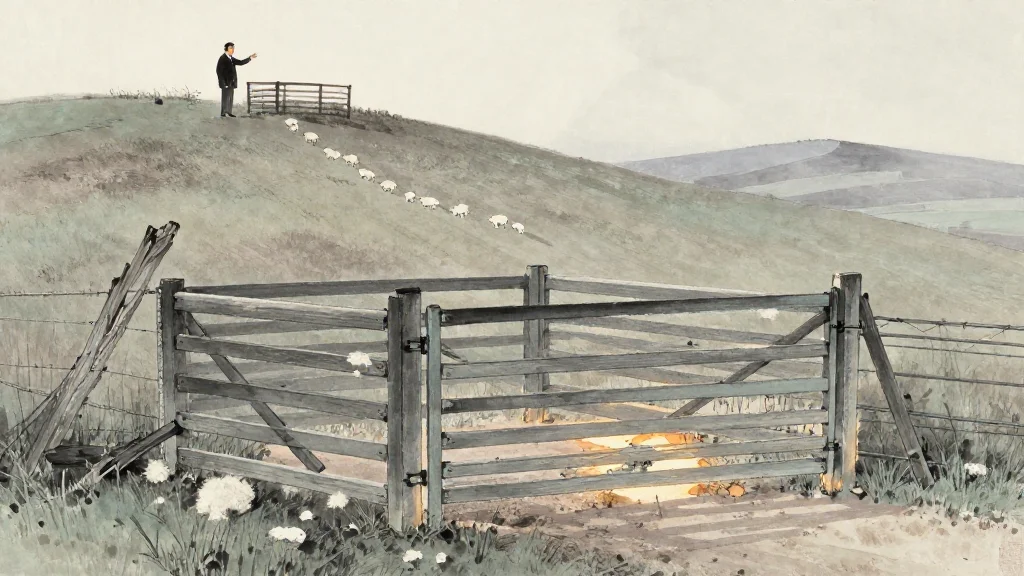
楚策四 (Stratagems of Chu IV) — Chinese ink painting

Chapter 17 of 33 · Chu state

楚策四

Stratagems of Chu IV

View:

或謂楚王

Someone Advises the King of Chu on the Vertical Alliance

或謂楚王曰:「臣聞從者欲合天下以朝大王,臣願大王聽之也。夫因詘為信,舊患有成,勇者義之。攝禍為福,裁少為多,知者官之。夫報報之反,墨墨之化,唯大君能之。禍與福相貫,生與亡為鄰,不偏於死,不偏於生,不足以載大名。無所寇艾,不足以橫世。夫秦捐德絕命之日久矣,而天下不知。今夫橫人嚂口利機,上乾主心,下牟百姓,公舉而私取利,是以國權輕於鴻毛,而積禍重於丘山。」

Someone said to the King of Chu: "I hear that the Vertical Alliance advocates wish to unite All-Under-Heaven to pay court to Your Majesty. I urge Your Majesty to heed them.

"To turn setback into advantage, to bring old troubles to a successful end — this is what the brave call righteous. To convert disaster into fortune, to make little into much — this is what the wise devote their talents to. The reversal of retribution, the transformation of obscurity — only a great ruler can achieve this.

"Disaster and fortune are linked; life and death are neighbors. One who does not commit fully to either death or life cannot bear a great name. One who has no enemies to strike down cannot dominate an age.

"Qin abandoned virtue and severed bonds of trust long ago, yet All-Under-Heaven does not see it. The Horizontal partisans have honeyed mouths and sharp wits. They manipulate the ruler's heart above and exploit the common people below. They invoke the public interest while taking private profit. This is why state power has become lighter than a swan's feather, while accumulated disaster has grown heavier than a mountain."

Notes

1context

This anonymous speech is unusually philosophical for the Zhanguoce — more Daoist in flavor than the typical diplomatic pitch. The paradoxes (disaster is linked to fortune, death to life) recall the Laozi. But the practical conclusion is the same as every Vertical Alliance pitch: Qin is the enemy, the Horizontal partisans are traitors, join the coalition.

2translation

橫人 ('Horizontal men') is a derogatory term for advocates of the pro-Qin Horizontal alignment (連橫). 嚂口利機 means 'honeyed mouths and sharp triggers' — silver-tongued with quick reflexes for manipulation.

魏王遺楚王美人

The King of Wei Presents a Beauty to the King of Chu

魏王遺楚王美人,楚王說之。夫人鄭袖知王之說新人也,甚愛新人,衣服玩好,擇其所喜而為之;宮室臥具,擇其所善而為之。愛之甚於王。王曰:「婦人所以事夫者,色也;而妒者,其情也。今鄭袖知寡人之說新人也,其愛之甚於寡人,此孝子所以事親,忠臣之所以事君也。」

鄭袖知王以己為不妒也,因謂新人曰:「王愛子美矣。雖然,惡子之鼻。子為見王,則必掩子鼻。」新人見王,因掩其鼻。王謂鄭袖曰:「夫新人見寡人,則掩其鼻,何也?」鄭袖曰:「妾知也。」王曰:「雖惡,必言之。」鄭袖曰:「其似惡聞君王之臭也。」王曰:「悍哉!」令劓之,無使逆命。

The King of Wei presented a beautiful woman to the King of Chu. The king was delighted with her. The consort Zheng Xiu, knowing the king was pleased with the newcomer, showered the new woman with affection — selecting clothes and ornaments that the newcomer liked, choosing bedchamber furnishings that suited her. She loved the newcomer even more than the king did.

The king said: "A woman serves her husband through beauty, and jealousy is in her nature. Now Zheng Xiu knows I am pleased with the newcomer, yet she loves her more than I do. This is how a filial son serves his parents, how a loyal minister serves his lord."

Once Zheng Xiu knew the king believed she was not jealous, she said to the newcomer: "The king loves your beauty. However, he dislikes your nose. When you see the king, you should always cover your nose."

The newcomer covered her nose whenever she saw the king. The king said to Zheng Xiu: "The new woman covers her nose whenever she sees me. Why?"

Zheng Xiu said: "I know the reason."

The king said: "Even if it is unpleasant, you must tell me."

Zheng Xiu said: "It seems she finds Your Majesty's smell offensive."

The king said: "Insolent creature!" He ordered her nose cut off, and that no one should countermand the order.

Notes

1context

This is one of the most chilling episodes in the Zhanguoce, and it works on every level. Zheng Xiu's strategy is perfect: establish trust through performative generosity, weaponize the king's insecurity, and destroy the rival through the king's own hand. The king never suspects a thing because Zheng Xiu has already convinced him she is incapable of jealousy. The real horror is the speed of the final act — the king orders mutilation without a moment's investigation. The story functions both as a tale of court intrigue and as an allegory: ministers who appear to support their colleagues may be engineering their destruction.

2translation

劓 (yì) means to cut off the nose — one of the Five Punishments (五刑) in ancient China. It was a standard punishment, but here inflicted on a royal consort over a manufactured pretext.

楚王后死

The Queen of Chu Dies

楚王后死,未立後也。謂昭魚曰:「公何以不請立後也?」昭魚曰:「王不聽,是知困而交絕於後也。」「然則不買五雙珥,令其一善而獻之王,明日視善珥所在,因請立之。」

The Queen of Chu died, and no successor had been appointed. Someone said to Zhao Yu: "Why do you not request the appointment of a new queen?"

Zhao Yu said: "If the king refuses, I will have gained nothing but will have made an enemy of whichever woman is eventually chosen as queen."

"Then why not buy five pairs of earrings, making one pair clearly superior, and present them to the king? The next day, see who is wearing the finest pair — and then request her appointment."

Notes

1context

A tiny episode but a perfect illustration of information asymmetry in court politics. The earring test lets Zhao Yu discover the king's preference without ever asking directly. If he then petitions for the woman the king already favors, his 'recommendation' is guaranteed to succeed and he earns her gratitude — all without risking the king's refusal.

2person昭魚Zhāo Yú

Zhao Yu (昭魚) was a Chu minister, otherwise little known. His caution about court marriage politics is well-founded — backing the wrong candidate for queen was a career-ending mistake.

莊辛謂楚襄王

Zhuang Xin Warns King Xiang of Chu

莊辛謂楚襄王曰:「君王左州侯,右夏侯,輦從鄢陵君與壽陵君,專淫逸侈靡,不顧國政,郢都必危矣。」襄王曰:「先生老悖乎?將以為楚國祅祥乎?」莊辛曰:「臣誠見其必然者也,非敢以為國祅祥也。君王卒幸四子者不衰,楚國必亡矣。臣請辟於趙,淹留以觀之。」莊辛去之趙。留五月,秦果舉鄢、郢、巫、上蔡、陳之地,襄王流揜於城陽。於是使人發騶,征莊辛於趙。莊辛曰:「諾。」

莊辛至,襄王曰:「寡人不能用先生之言,今事至於此,為之奈何?」莊辛對曰:「臣聞鄙語曰:『見兔而顧犬,未為晚也;亡羊而補牢,未為遲也。』臣聞昔湯、武以百里昌,桀、紂以天下亡。今楚國雖小,絕長續短,猶以數千里,豈特百里哉?

「王獨不見夫蜻蛉乎?六足四翼,飛翔乎天地之間,俯啄蚊虻而食之,仰承甘露而飲之,自以為無患,與人無爭也。不知五尺童子,方將調鉛膠絲,加己乎四仞之上,而下為螻蟻食也。蜻蛉其小者也,黃雀因是以。俯噣白粒,仰棲茂樹,鼓翅奮翼,自以為無患,與人無爭也。不知夫公子王孫,左挾彈,右攝丸,將加己乎十仞之上,以其類為招。晝游乎茂樹,夕調乎酸鹼,倏忽之間,墜於公子之手。夫雀其小者也,黃鵠因是以。游於江海,淹乎大沼,俯噣鱔鯉,仰齧菱衡,奮其六翮,而凌清風飄搖乎高翔,自以為無患,與人無爭也,不知夫射者,方將修其盧,治其繒繳,將加己乎百仞之上。彼礛磻,引微繳,折清風而抎矣,故晝游乎江河,夕調乎鼎鼐。

「夫黃鵠,其小者也,蔡聖侯之事因是以。南遊乎高陂,北陵乎巫山,飲茹溪流,食湘波之魚,左抱幼妾,右擁嬖女,與之馳騁乎高蔡之中,而不以國家為事。不知夫子發方受命乎宣王,系己以朱絲而見之也。

「蔡聖侯之事其小者也,君王之事因是以。左州侯,右夏侯,輦從鄢陵君與壽陵君,飯封祿之粟,而戴方府之金,與之馳騁乎雲夢之中,而不以天下國家為事,不知夫穰侯方受命乎秦王,填黽塞之內,而投己乎黽塞之外。」

襄王聞之,顏色變作,身體戰慄。於是乃以執珪而授之為陽陵君,與淮北之地也。

Zhuang Xin said to King Xiang of Chu: "Your Majesty has the Marquis of Zhou at your left and the Marquis of Xia at your right, with the Lord of Yanling and the Lord of Shouling following your carriage. You devote yourself entirely to debauchery and extravagance and give no thought to governance. The capital at Ying is certainly in danger."

King Xiang said: "Are you going senile, sir? Or do you mean to bring ill omens upon Chu?"

Zhuang Xin said: "I truly see that it must come to this. I would not dare speak of omens. If Your Majesty continues to favor these four and does not desist, Chu will certainly perish. I beg leave to withdraw to Zhao and wait there to see what happens."

Zhuang Xin departed for Zhao. Five months later, Qin indeed seized Yan, Ying, Wu, Shangcai, and Chen. King Xiang fled in distress to Chengyang. He then dispatched riders to summon Zhuang Xin from Zhao. Zhuang Xin agreed to come.

When Zhuang Xin arrived, King Xiang said: "I failed to heed your words. Now matters have come to this. What can be done?"

Zhuang Xin replied: "I have heard a common saying: 'To spot the hare and call the hounds is not too late. To mend the pen after losing the sheep is not too slow.' I have heard that Tang and Wu prospered from a territory of a hundred li, while Jie and Zhou perished despite ruling All-Under-Heaven. Though Chu is now diminished, patching together its remaining territory still amounts to several thousand li. Is that not far more than a hundred li?

"Has Your Majesty never observed the dragonfly? With six legs and four wings it flits between heaven and earth, dipping down to snap up gnats and mosquitoes, rising up to drink sweet dew. It considers itself free of danger, without quarrel with anyone. It does not know that a five-foot child is preparing his lead weight and silken line to drop it from four fathoms high, where it will be eaten by mole crickets and ants.

"The dragonfly is a small example. The same applies to the yellow sparrow. It dips down to peck at white grain, rises to nest in lush trees, flaps and soars, considering itself free of danger, without quarrel with anyone. It does not know that young lords and princes, with slingshots on the left and pellets on the right, are about to bring it down from ten fathoms, baiting their aims with its own kind. By day it roams the lush trees; by evening it simmers in the sauce pot. In a flash, it falls into the young lord's hands.

"The sparrow is a small example. The same applies to the yellow swan. It roams the rivers and seas, rests in the great marshes, dipping down to snap up eels and carp, rising to nibble water chestnuts and pondweed. It beats its six pinions and soars on the clear wind, drifting high above. It considers itself free of danger, without quarrel with anyone. It does not know that the archer is readying his crossbow, adjusting his corded arrows, preparing to strike it from a hundred fathoms. The stone arrowhead bites, the fine cord pulls taut — the swan tumbles through the clear wind and falls. By day it roamed the rivers; by evening it simmers in the cauldron.

"The yellow swan is a small example. The same applies to the Marquis Sheng of Cai. He roamed south to the high slopes, climbed north to Wu Mountain, drank from the Ru River, ate the fish of the Xiang, embraced young concubines on his left and favored women on his right, careening through the highlands of Cai and giving no thought to affairs of state. He did not know that Zifa had just received orders from King Xuan — to bind him in red silk and display him.

"The Marquis Sheng of Cai is a small example. The same applies to Your Majesty's situation. With the Marquis of Zhou at your left and the Marquis of Xia at your right, the Lord of Yanling and the Lord of Shouling following your carriage, eating the grain of your fiefs, wearing the gold of your treasury, careening through the wilds of Yunmeng, giving no thought to the state and All-Under-Heaven — you did not know that the Marquis of Rang had just received orders from the King of Qin to fill the pass at Min and cast you beyond it."

King Xiang heard this. His face changed color and his body trembled. He then bestowed the rank of Holder of the Jade Tablet upon Zhuang Xin, named him Lord of Yangling, and granted him the territory north of the Huai River.

Notes

1person莊辛Zhuāng Xīn

Zhuang Xin (莊辛) was a Chu minister whose warnings about King Xiang's dissipation were vindicated by Qin's conquest of Ying in 278 BC. His speech here is one of the most famous in the Zhanguoce.

2context

The escalating chain of parables — dragonfly, sparrow, swan, marquis, king — is a rhetorical masterpiece. Each creature is bigger, more powerful, and more confident than the last, and each is destroyed by exactly the same failure: the conviction that being comfortable means being safe. The structure forces King Xiang to see himself in the pattern before Zhuang Xin names him directly. The phrase 亡羊補牢 ('mend the pen after losing the sheep') became one of the most common Chinese proverbs, and this is its origin.

3person穰侯Ráng Hóu

The Marquis of Rang (穰侯) is Wei Ran, a powerful Qin minister and maternal uncle of King Zhao of Qin. He directed the Qin military campaigns that captured Ying in 278 BC.

4person蔡聖侯Cài Shèng Hóu

The Marquis Sheng of Cai (蔡聖侯) was captured by Chu forces under Zifa (子發) during the reign of King Xuan of Chu. His downfall while indulging in pleasure is used as the penultimate parallel before the king himself.

5place

The Min Pass (黽塞, also written 鄳塞) was a strategic pass on the border between Chu and the northern states, in modern southern Henan. 'Filling the pass at Min and casting you beyond it' means occupying Chu's northern defenses and driving the king into exile.

齊明說卓滑以伐秦

Qi Ming Persuades Zhuo Hua to Attack Qin

齊明說卓滑以伐秦,滑不聽也。齊明謂卓滑曰:「明之來也,為樗里疾卜交也。明說楚大夫以伐秦,皆受明之說也,唯公弗受也,臣有辭以報樗里子矣。」卓滑因重之。

Qi Ming tried to persuade Zhuo Hua to attack Qin. Zhuo Hua would not listen.

Qi Ming said to Zhuo Hua: "The reason I came was to assess alliances on behalf of Quli Ji. I have persuaded all of Chu's senior ministers to attack Qin, and they have all accepted — only you have refused. I now have my report for Quli Ji."

Zhuo Hua thereupon took the matter seriously.

Notes

1context

A compact piece of diplomatic blackmail. Qi Ming implies that he is actually working for Qin's Quli Ji, and that by refusing to join the anti-Qin coalition, Zhuo Hua will be reported to Qin as the only non-cooperator — which paradoxically makes him look like a Qin loyalist to his Chu colleagues and a liability to Qin. The threat is ambiguous enough to be deniable but clear enough to be effective.

或謂黃齊

Someone Advises Huang Qi

或謂黃齊曰:「人皆以謂公不善於富摯。公不聞老萊子之教孔子事君乎?示之其齒之堅也,六十而盡相靡也。今富摯能,而公重不相善也,是兩盡也。諺曰:『見君之乘,下之;見杖,起之。』今也王愛富摯,而公不善也,是不臣也。」

Someone said to Huang Qi: "Everyone says you are on bad terms with Fu Zhi. Have you not heard how Laolai Zi taught Confucius about serving one's lord? He showed him his teeth — hard as they were, by sixty they had all worn away against each other.

"Now Fu Zhi is capable, and you persist in being on bad terms with him — this is mutual destruction. The proverb says: 'When you see the lord's chariot, dismount; when you see his staff, rise.' Now the king loves Fu Zhi, and you are on bad terms with him — that is disloyalty."

Notes

1context

The teeth parable is vivid: teeth are the hardest things in the body, but they destroy each other through constant grinding. The advisor's point is simple — two powerful men fighting each other benefits neither and offends the king. The reference to Laolai Zi instructing Confucius is apocryphal but served as a common allusion.

2person老萊子Lǎolái Zǐ

Laolai Zi (老萊子) was a legendary sage, sometimes identified with Laozi. The story of his teaching Confucius appears in various sources with different content.

長沙之難

The Crisis at Changsha

長沙之難,楚太子橫為質於齊。楚王死,薛公歸太子橫,因與韓、魏之兵隨而攻東國。太子懼。昭蓋曰:「不若令屈署以新東國為和於齊以動秦。秦恐齊之敗東國而令行於天下也,必將救我。」太子曰:「善。」遽令屈署以東國為和於齊。秦王聞之懼,令辛戎告楚曰:「毋與齊東國,吾與子出兵矣。」

During the crisis at Changsha, the Chu Crown Prince Heng was held hostage in Qi. The King of Chu died. The Lord of Xue returned Crown Prince Heng, then followed with the armies of Han and Wei to attack the Eastern Territory.

The Crown Prince was frightened. Zhao Gai said: "It would be better to send Qu Shu to offer the new Eastern Territory as a peace settlement with Qi, in order to alarm Qin. Qin, fearing that Qi will absorb the Eastern Territory and extend its dominion over All-Under-Heaven, will surely come to our rescue."

The Crown Prince said: "Excellent." He immediately sent Qu Shu to offer the Eastern Territory as peace terms to Qi. The King of Qin heard of this and was alarmed. He sent Xin Rong to tell Chu: "Do not give Qi the Eastern Territory. I will commit our troops alongside yours."

Notes

1person薛公Xuē Gōng

The Lord of Xue (薛公) is Meng Changjun (孟嘗君, Tian Wen), one of the 'Four Lords' of the Warring States, famous for his household of thousands of retainers. His returning the Crown Prince and then attacking Chu is characteristically opportunistic.

2context

Zhao Gai's strategy exploits the balance-of-power logic that governed Warring States diplomacy: the one thing Qin cannot tolerate is Qi growing stronger. By threatening to hand territory to Qi, Chu forces Qin to intervene — not out of friendship, but out of fear. It is a threat directed at a third party to manipulate a fourth.

有獻不死之藥於荊王者

The Elixir of Immortality

有獻不死之藥於荊王者,謁者操以入。中射之士問曰:「可食乎?」曰:「可。」因奪而食之。王怒,使人殺中射之士。中射之士使人說王曰:「臣問謁者,謁者曰可食,臣故食之。是臣無罪,而罪在謁者也。且客獻不死之藥,臣食之而王殺臣,是死藥也。王殺無罪之臣,而明人之欺王。」王乃不殺。

Someone presented an elixir of immortality to the King of Jing. A gatekeeper carried it in. A palace guard asked: "May this be eaten?"

"It may."

The guard snatched it and ate it. The king was furious and ordered the guard's execution.

The guard sent someone to plead his case: "I asked the gatekeeper whether it could be eaten, and the gatekeeper said yes. I therefore ate it. I am without fault — the fault lies with the gatekeeper.

"Moreover, a guest presented an elixir of immortality. If I eat it and Your Majesty kills me, it is an elixir of death. If Your Majesty kills an innocent subject, it proves the guest deceived you."

The king did not execute him.

Notes

1context

A perfect little logical trap, and one of the most widely anthologized passages from the Zhanguoce. The guard's argument has two prongs, both airtight: (1) procedurally, he asked permission and received it, so any blame falls on the gatekeeper; (2) substantively, if the drug grants immortality, killing him is impossible — and if killing him is possible, the drug is a fraud. The king is checkmate in two moves. The deeper lesson is about the absurdity of believing in immortality potions, but the text lets the reader draw that conclusion.

客說春申君

A Visitor Advises Lord Chunshen About Xunzi

客說春申君曰:「湯以亳,武王以鄗,皆不過百里以有天下。今孫子,天下賢人也,君籍之以百里勢。臣竊以為不便於君。何如?」春申君曰:「善。」於是使人謝孫子,孫子去之趙,趙以為上卿。

客又說春申君曰:「昔伊尹去夏入殷,殷王而夏亡。管仲去魯入齊,魯弱而齊強。夫賢者之所在,其君未嘗不尊,國未嘗不榮也。今孫子,天下賢人也,君何辭之?」春申君又曰:「善。」於是使人請孫子於趙。

孫子為書謝曰:「癘人憐王,此不恭之語也。雖然,不可不審察也,此為劫弒死亡之主言也。夫人主年少而矜材,無法術以知奸,則大臣主斷國私以禁誅於己也,故弒賢長而立幼弱,廢正適而立不義。春秋戒之曰:『楚王子圍騁於鄭,未出境,聞王病,反問疾,遂以冠纓絞王,殺之,因自立也。齊崔杼討妻美,莊公通之。崔杼帥其君黨而攻。莊公請與分國,崔杼不許;欲自刃於廟,崔杼不許。莊公走出,逾於外牆,射中其股,遂殺之,而立其弟景公。近代所見:李兌用趙,餓主父於沙丘,百日而殺之;淖齒用齊,擢閔王之筋,懸於其廟梁,宿夕而死。』夫厲雖痛腫胞疾,上比前世,未至纓射股;下比近代,未至擢筋而餓死也。夫劫弒死亡之主也,心之憂勞,形之困苦,必甚於癘矣。由此觀之,癘雖憐王可也。」因為賦曰:「寶珍隋珠,不知佩兮。褘布與絲,不知異兮,閭姝子奢,莫知媒兮。嫫母求之,又甚喜之兮。以瞽為明,以聾為聰,以是為非,以吉為凶。嗚呼上天,易惟其同!」詩曰:「上天甚神,無自瘵也。」

A visitor said to Lord Chunshen: "Tang used Bo and King Wu used Hao — neither controlled more than a hundred li, yet they won All-Under-Heaven. Now Master Sun is the worthiest man alive, and you have given him a base of a hundred li. I privately consider this disadvantageous to you."

Lord Chunshen said: "You are right." He sent someone to dismiss Master Sun. Master Sun went to Zhao, where he was made a Senior Minister.

Another visitor said to Lord Chunshen: "In ancient times, Yi Yin left Xia and entered Yin — Yin became king and Xia perished. Guan Zhong left Lu and entered Qi — Lu grew weak and Qi grew strong. Wherever a worthy man goes, his lord is honored and his state flourishes. Master Sun is the worthiest man alive — why did you dismiss him?"

Lord Chunshen again said: "You are right." He sent someone to invite Master Sun back from Zhao.

Master Sun wrote a letter declining: "'A leper pitying a king' — this is a disrespectful expression. And yet it demands careful consideration, for it speaks of rulers who are coerced, assassinated, and destroyed.

"When a ruler is young and proud of his talents but lacks the methods to detect treachery, then powerful ministers will monopolize the state's decisions and prevent anyone from punishing them. They murder the wise and mature to enthrone the young and weak; they depose the rightful heir to install the illegitimate.

"The Spring and Autumn Annals warn of this: 'Prince Wei of Chu was traveling in Zheng. Before leaving the border, he heard the king was ill. He turned back to visit the sickbed, then strangled the king with his own cap-strings and enthroned himself. In Qi, Cui Zhu's wife was beautiful, and Duke Zhuang had an affair with her. Cui Zhu led his followers to attack. Duke Zhuang offered to share the state — Cui Zhu refused. The duke offered to kill himself in the ancestral temple — Cui Zhu refused. The duke fled over the outer wall; an arrow struck his thigh, and he was killed. Cui Zhu enthroned his brother, Duke Jing.'

"In more recent times, within living memory: Li Dui held power in Zhao and starved Lord Wuling at Shaqiu — he died after a hundred days. Nao Chi held power in Qi, tore out King Min's sinews, and hung him from the beams of the ancestral temple — he died before morning.

"Now leprosy, though it means painful sores and swelling, compared to ancient times does not mean being strangled or shot in the thigh; compared to recent times, it does not mean having one's sinews torn out or being starved to death. A ruler who is coerced and assassinated suffers mental anguish and physical torment that is surely worse than leprosy. Seen in this light, even a leper may pity a king."

He then composed a rhapsody:

"The Sui Marquis's pearl, a treasure — yet no one knows to wear it. Fine linen and silk — yet no one knows the difference. The beauties of the village — yet no one will be their matchmaker. The ugly Momo seeks a husband — and is overjoyed to find one. The blind are taken for the sighted, the deaf for the keen of hearing, Right is called wrong, good fortune is called disaster. Alas, O Heaven — will things ever be the same again!"

The poem concludes: "Heaven above is truly divine — bring not illness upon yourself."

Notes

1person荀子Xún Zǐ

Master Sun (孫子) here refers to Xunzi (荀子, c. 310–235 BC), the great Confucian philosopher, not Sun Wu the military strategist. Xunzi served as magistrate of Lanling under Lord Chunshen's patronage. His dismissal and reinvitation reflect the fickleness of patronage politics.

2context

The two visitors give Lord Chunshen diametrically opposite advice, and he agrees with both — a damning portrait of a man who cannot think for himself. Xunzi's response, when invited back, is a magnificent refusal: he catalogs the violent fates of rulers throughout history to argue that kingship is so dangerous that even a leper might reasonably pity a king. The subtext is clear: Lord Chunshen's court is too treacherous and too fickle for a serious philosopher. The rhapsody at the end — pearls unrecognized, beauty unmatched, blindness called sight — is Xunzi's verdict on the entire political class.

3person趙武靈王Zhào Wǔlíng Wáng

Lord Wuling of Zhao (趙武靈王) was starved to death at Shaqiu palace by his minister Li Dui in 295 BC, after a power struggle following his abdication. King Min of Qi (齊湣王) was tortured to death by the general Nao Chi in 284 BC.

4person崔杼Cuī Zhù

Prince Wei (王子圍) later became King Ling of Chu (楚靈王). He murdered his nephew King Jia'ao by strangling him with a cap-string in 541 BC. Cui Zhu (崔杼) was the Qi minister who assassinated Duke Zhuang of Qi in 548 BC.

5translation

The Sui Marquis's pearl (隋珠, also written 隨珠) was a legendary pearl, supposedly given by a grateful serpent to the Marquis of Sui. It became a byword for unrecognized treasure. 嫫母 (Momo) was a legendary ugly woman, the anti-Xi Shi.

天下合從

The States Form a Vertical Alliance

天下合從。趙使魏加見楚春申君曰:「君有將乎?」曰:「有矣,仆欲將臨武君。」魏加曰:「臣少之時好射,臣願以射譬之,可乎?」春申君曰:「可。」加曰:「異日者,更贏與魏王處京台之下,仰見飛鳥。更贏謂魏王曰:『臣為王引弓虛發而下鳥。』魏王曰:『然則射可至此乎?』更贏曰:『可。』有間,雁從東方來,更贏以虛發而下之。魏王曰:『然則射可至此乎?』更贏曰:『此孽也。』王曰:『先生何以知之?』對曰:『其飛徐而鳴悲。飛徐者,故瘡痛也;鳴悲者,久失群也,故瘡未息,而驚心未至也。聞弦音,引而高飛,故瘡隕也。』今臨武君,嘗為秦孽,不可為拒秦之將也。」

The states formed a Vertical Alliance. Zhao sent Wei Jia to see Lord Chunshen of Chu. Wei Jia asked: "Do you have a commander?"

"I do. I intend to appoint Lord Linwu."

Wei Jia said: "When I was young I loved archery. May I use an archery analogy?"

Lord Chunshen said: "Please."

Wei Jia said: "Once, Geng Ying was with the King of Wei below the Jing Terrace. He looked up and saw a bird in flight. Geng Ying said to the King of Wei: 'Allow me to draw my bow, release an empty shot, and bring the bird down.'

The King of Wei said: 'Is archery skill really capable of that?'

Geng Ying said: 'It is.'

After a moment, a goose came from the east. Geng Ying drew and released with no arrow — and the goose fell.

The King of Wei said: 'Is archery skill really capable of that?'

Geng Ying said: 'This was a damaged bird.'

The king said: 'How did you know?'

Geng Ying replied: 'It flew slowly and cried mournfully. Flying slowly means an old wound still hurts. Crying mournfully means it has long been separated from its flock. The wound has not healed and the frightened heart has not recovered. When it heard the bowstring, it strained to fly higher — and the old wound caused it to fall.'

"Now Lord Linwu was once a victim of Qin — a damaged bird. He cannot serve as commander against Qin."

Notes

1context

This is the origin of the Chinese idiom 驚弓之鳥 (jīnggōngzhīniǎo) — 'a bird startled by the bow,' meaning someone so traumatized by past experience that even a reminder of danger causes them to collapse. Wei Jia's argument is that Lord Linwu, having been defeated by Qin before, will panic at the first sign of Qin's advance — just as the wounded goose fell from the mere sound of a bowstring. It is a devastating disqualification wrapped in an elegant story.

2person更贏Gēng Yíng

Geng Ying (更贏) was a legendary archer, apparently in the service of the King of Wei. Whether the story is historical or apocryphal is beside the point — it works as a parable.

3person臨武君Línwǔ Jūn

Lord Linwu (臨武君) was a Chu general who had previously been defeated by Qin. His identity is uncertain.

汗明見春申君

Han Ming Meets Lord Chunshen

汗明見春申君,候問三月,而後得見。談卒,春申君大說之。汗明欲復談,春申君曰:「仆已知先生,先生大息矣。」汗明憱焉曰:「明願有問君而恐固。不審君之聖孰與堯也?」春申君曰:「先生過矣,臣何足以當堯?」汗明曰:「然則君料臣孰與舜?」春申君曰:「先生即舜也。」汗明曰:「不然。臣請為君終言之。君之賢實不如堯,臣之能不及舜。夫以賢舜事聖堯,三年而後乃相知也,今君一時而知臣,是君聖於堯而臣賢於舜也。」春申君曰:「善。」召門吏為汗先生著客籍,五日一見。

汗明曰:「君亦聞驥乎?夫驥之齒至矣,服鹽車而上太行。蹄申膝折,尾湛胕潰,漉汁灑地,白汗交流,中阪遷延,負轅不能上。伯樂遭之。下車攀而哭之,解紵衣以冪之。驥於是俛而噴,仰而鳴,聲達於天,若出金石聲者,何也?彼見伯樂之知己也。今仆之不肖,陋於州部,堀穴窮巷,沈污鄙俗之日久矣,君獨無意湔拔仆也,使得為君高鳴屈於梁乎?」

Han Ming sought an audience with Lord Chunshen, waiting and petitioning for three months before he was finally received. When the conversation ended, Lord Chunshen was greatly pleased. Han Ming wished to continue the discussion, but Lord Chunshen said: "I already understand you, sir. You may rest now."

Han Ming was startled and said: "I wish to ask Your Lordship a question, though I fear it is presumptuous. How does Your Lordship's sagacity compare to Yao's?"

Lord Chunshen said: "You flatter me. How could I compare to Yao?"

Han Ming said: "Then how does Your Lordship estimate my ability compared to Shun's?"

Lord Chunshen said: "You, sir, are Shun himself."

Han Ming said: "Not so. Let me finish my argument. Your Lordship's virtue is truly not equal to Yao's, and my ability does not match Shun's. Yet the worthy Shun served the sage Yao, and it took three years before they truly knew each other. Now Your Lordship claims to know me in a single meeting — meaning Your Lordship is wiser than Yao, and I am worthier than Shun."

Lord Chunshen said: "Well argued." He summoned the gate official and had Han Ming registered as a guest retainer, to be received every five days.

Han Ming said: "Has Your Lordship heard of the thoroughbred horse? When a thoroughbred grows old, it is harnessed to a salt cart and made to climb Mount Taihang. Its hooves split, its knees buckle, its tail drags, its skin ulcerates, sweat and froth splash the ground, white foam runs in streams. Midway up the slope it falters and strains at the shafts, unable to ascend. Bo Le encounters it. He descends from his carriage, embraces the horse and weeps, then removes his linen robe and covers it. The horse lowers its head and snorts, raises its head and neighs — a sound that reaches heaven, as if ringing from bronze and stone. Why? Because it recognizes in Bo Le one who knows its true worth.

"Now I am an unworthy man, stuck in some backwater district, burrowed in a dead-end alley, sunk in vulgar obscurity for a long time. Would Your Lordship not consider pulling me from the mud and letting me sing aloud for you from the high beams?"

Notes

1person汗明Hàn Míng

Han Ming (汗明) was a wandering scholar seeking patronage. His three-month wait before getting an audience is a pointed detail about the difficulty of access.

2context

Han Ming's Yao-Shun argument is a sly logical trap: if Lord Chunshen says he knows Han Ming's quality after one meeting, then either Lord Chunshen is wiser than Yao (who took three years) or he is bluffing. Lord Chunshen, forced to choose between hubris and inadequacy, opts for hubris — which commits him to supporting Han Ming. The Bo Le and the old thoroughbred parable that follows is one of the most famous talent-recognition stories in Chinese culture: real worth goes unrecognized until someone with discernment looks past the salt cart and sees the racehorse.

3person伯樂Bó Lè

Bo Le (伯樂) was a legendary horse appraiser, said to be able to identify a thousand-li horse at a glance. His name became synonymous with a patron who recognizes hidden talent.

楚考烈王無子

King Kaolie of Chu Has No Heir

楚考烈王無子,春申君患之,求婦人宜子者進之,甚眾,卒無子。

趙人李園,持其女弟,欲進之楚王,聞其不宜子,恐又無寵。李園求事春申君為舍人。已而謁歸,故失期。還謁,春申君問狀。對曰:「齊王遣使求臣女弟,與其使者飲,故失期。」春申君曰:「聘入乎?」對曰:「未也。」春申君曰:「可得見乎?」曰:「可。」於是園乃進其女弟,即幸於春申君。知其有身,園乃與其女弟謀。

園女弟承間說春申君曰:「楚王之貴幸君,雖兄弟不如。今君相楚王二十餘年,而王無子,即百歲後將更立兄弟。即楚王更立,彼亦各貴其故所親,君又安得長有寵乎?非徒然也,君用事久,多失禮於王兄弟,兄弟誠立,禍且及身,奈何以保相印、江東之封乎?今妾自知有身矣,而人莫知。妾之幸君未久,誠以君之重而進妾於楚王,王心幸妾。妾賴天而有男,則是君之子為王也,楚國封盡可得,孰與其臨不測之罪乎?」春申君大然之。乃出園女弟謹舍,而言之楚王。楚王召入,幸之。遂生子男,立為太子,以李園女弟立為王后。楚王貴李園,李園用事。

李園既入其女弟為王后,子為太子,恐春申君語泄而益驕,陰養死士,欲死春申君以滅口,而國人頗有知之者。春申君相楚二十五年,考烈王病。朱英謂春申君曰:「世有無妄之福,又有無妄之禍。今君處無妄之世,以事無妄之主,安不有無妄之人乎?」春申君曰:「何謂無妄之福?」曰:「君相楚二十餘年矣,雖名為相國,實楚王也。五子皆相諸侯。今王疾甚,旦暮且崩,太子衰弱。疾而不起,而君相少主,因而代立當國,如伊尹、周公。王長而反政,不,即遂南面稱孤,因而有楚國。此所謂無妄之福也。」春申君曰;「何謂無妄之禍?」曰:「李園不治國,王之舅也。不為兵將,而陰養死士之日久矣。楚王崩,李園必先入。據本議制斷君命,秉權而殺君以滅口。此所謂無妄之禍也。」春申君曰:「何謂無妄之人?」曰:「君先仕臣為郎中,君王崩,李園先入,臣請為君刺其胸殺之。此所謂無妄之人也。」春申君曰:「先生置之,勿復言已。李園,軟弱人也。仆又善之,又何至此?」朱英恐,乃亡去。

後十七日,楚考烈王崩,李園果先入,置死士,止於棘門之內。春申君後入,止棘門。園死士夾刺春申君,斬其頭,投之棘門外。於是使吏盡滅春申君之家。而李園女弟,初幸春申君有身,而入之王新生子者,遂立為楚幽王也。

是歲,秦始皇立九年矣。嫪毐亦為亂於秦,覺,夷三族,而呂不韋廢。

King Kaolie of Chu had no son. Lord Chunshen was troubled by this and sought women likely to bear children, presenting many of them to the king. None bore a son.

Li Yuan, a man from Zhao, was grooming his younger sister to present to the King of Chu, but heard the king was unlikely to produce an heir and feared she too would fail to gain favor. Li Yuan sought employment under Lord Chunshen as a retainer. After some time he requested leave to go home, and deliberately returned late. When he came back and reported, Lord Chunshen asked why.

"The King of Qi sent an envoy to seek my sister's hand. I was drinking with the envoy, so I missed the deadline."

Lord Chunshen said: "Has the betrothal been finalized?"

"Not yet."

"May I meet her?"

"You may."

Li Yuan then presented his sister, and she became Lord Chunshen's favorite. When she discovered she was pregnant, Li Yuan and his sister plotted together.

Li Yuan's sister found a private moment and said to Lord Chunshen: "The king's favor toward you surpasses even that toward his own brothers. You have served as Chu's minister for over twenty years, yet the king has no son. After the king's death, a brother will be enthroned. Once that happens, each new king will elevate his own former allies — how will you retain your position? And it is not merely that: having held power for so long, you have slighted the king's brothers on many occasions. If a brother truly takes the throne, disaster will reach your person. How will you protect your ministerial seal and your fief in Jiangdong?

"Now I know I am with child, though no one else knows. I have been your favorite for only a short time. If, by virtue of your influence, you present me to the King of Chu, and the king takes me as his favorite — should Heaven grant me a son, then your child will be king. All of Chu's fiefs will be yours. Is that not better than facing unpredictable calamity?"

Lord Chunshen was fully convinced. He moved Li Yuan's sister to a proper residence and spoke of her to the king. The king summoned her, took her as his favorite, and she bore a son. The boy was made Crown Prince and Li Yuan's sister was made queen. The king honored Li Yuan, and Li Yuan took charge of affairs.

Once Li Yuan had installed his sister as queen and her son as Crown Prince, he feared Lord Chunshen would let the truth slip and grew increasingly arrogant. He secretly cultivated assassins, intending to kill Lord Chunshen to silence him. People in the state were somewhat aware of this.

Lord Chunshen had served as Chu's minister for twenty-five years when King Kaolie fell ill. Zhu Ying said to Lord Chunshen: "The world has unexpected blessings, and it has unexpected disasters. Now you exist in an unpredictable world, serving an unpredictable lord. How could there not be unpredictable men?"

Lord Chunshen said: "What are the unexpected blessings?"

"You have served as Chu's minister for over twenty years. Though your title is prime minister, you are in practice the King of Chu. Your five sons all serve as ministers in other states. Now the king is gravely ill and may die any day. The Crown Prince is young and weak. Should the king die and you serve as regent to a young ruler, you could assume authority like Yi Yin or the Duke of Zhou. When the king comes of age, return power; if not, simply face south and call yourself sovereign, and Chu is yours. These are the unexpected blessings."

"What are the unexpected disasters?"

"Li Yuan does not govern the state — he is merely the king's brother-in-law. He holds no military command, yet he has secretly maintained assassins for a long time. When the king dies, Li Yuan will be first through the gate. He will seize the initiative, control the deliberations, and cut off your fate — wielding power to kill you and silence you. These are the unexpected disasters."

"What are the unexpected men?"

"Appoint me first as a palace guard. When the king dies and Li Yuan enters first, I will stab him through the chest and kill him for you. These are the unexpected men."

Lord Chunshen said: "Let it go, sir. Say no more. Li Yuan is a soft, weak man. And I am on good terms with him. How could things come to that?"

Zhu Ying was frightened and fled.

Seventeen days later, King Kaolie died. Li Yuan did indeed enter first. He stationed assassins inside the Thorn Gate. Lord Chunshen entered after, and at the Thorn Gate, Li Yuan's assassins attacked from both sides, stabbed Lord Chunshen, cut off his head, and threw it outside the Thorn Gate. Officials were then sent to exterminate Lord Chunshen's entire family.

Li Yuan's sister — who had first become pregnant by Lord Chunshen and then been presented to the king, whose newly born son was in fact Lord Chunshen's — saw that son enthroned as King You of Chu.

That same year, the First Emperor of Qin had been on the throne for nine years. Lao Ai had also staged a rebellion in Qin; it was discovered, his three clans were exterminated, and Lu Buwei was deposed.
Notes

1person楚考烈王Chǔ Kǎoliè Wáng

King Kaolie of Chu (楚考烈王, r. 262–238 BC) was the last Chu king to reign from a position of relative strength. His lack of an heir set the stage for the dynasty's final collapse.

2person李園Lǐ Yuán

Li Yuan (李園) was a Zhao adventurer who engineered a succession fraud, placing Lord Chunshen's biological child on the Chu throne as his own nephew. The parallels with Lu Buwei's scheme in Qin — noted explicitly in the text's final line — are unmistakable.

3person朱英Zhū Yīng

Zhu Ying (朱英) was a retainer who saw the assassination coming and offered to preempt it. Lord Chunshen's refusal to listen is the fatal error. Zhu Ying's framework of 'unexpected blessings, disasters, and men' is a masterpiece of structural rhetoric — but it was wasted on a man who had already decided Li Yuan was harmless.

4context

This is the longest and most dramatic narrative in the Chu chapters, and it is structured as a tragedy of willful blindness. Lord Chunshen orchestrated the succession fraud himself, installed his own biological son as Crown Prince, and then somehow failed to anticipate that Li Yuan — who had every reason to kill him — would do exactly that. The text's final observation, linking Lord Chunshen's downfall to the contemporaneous Lao Ai affair in Qin, is editorial commentary: both states were being hollowed out by succession frauds even as they fought each other. King You of Chu, the product of this scheme, would reign only ten years before Qin conquered Chu entirely.

5person嫪毐Láo Ǎi

Lao Ai (嫪毐) was a favorite of the Queen Dowager of Qin (the mother of the future First Emperor). He staged a rebellion in 238 BC and was executed. Lu Buwei (呂不韋), the powerful Qin chancellor, was implicated and forced from power. The parallel to the Li Yuan affair is explicit: both involved sexual deception at the highest level of state power.

虞卿謂春申君

Yu Qing Advises Lord Chunshen on His Fief

虞卿謂春申君曰:「臣聞之《春秋》,於安思危,危則慮安。今楚王之春秋高矣,而君之封地不可不早定也。為主君慮封者,莫如遠楚。秦孝公封商君,孝公死,而後不免殺之。秦惠王封冉子,惠王死,而後王奪之。公孫鞅,功臣也;冉子,親姻也。然而不免奪死者,封近故也。太公望封於齊,邵公奭封於燕,為其遠王室矣。今燕之罪大而趙怒深,故君不如北兵以德趙,踐亂燕,以定身封,此百代之一時也。」

君曰:「所道攻燕,非齊則魏。魏、齊新怨楚,楚君雖欲攻燕,將道何哉?」對曰:「請令魏王可。」君曰:「何如?」對曰:「臣請到魏,而使所以信之。」

乃謂魏王曰:「夫楚亦強大矣,天下無敵,乃且攻燕。」魏王曰:「鄉也子云天下無敵,今也子云乃且攻燕者,何也?」對曰:「今為馬多力則有矣,若曰勝千鈞則不然者,何也?夫千鈞,非馬之任也。今謂楚強大則有矣,若越趙、魏而鬥兵於燕,則豈楚之任也哉?非楚之任而楚為之,是敝楚也。敝楚見強魏也,其於王孰便也?」

Yu Qing said to Lord Chunshen: "I have read in the Spring and Autumn Annals: 'In safety, think of danger; in danger, plan for safety.' Now the King of Chu is advanced in years, and you must settle the matter of your fief early. The best strategy for securing your fief is to place it far from Chu.

"Duke Xiao of Qin enfeoffed Lord Shang. When Duke Xiao died, the next ruler had Lord Shang killed. King Hui of Qin enfeoffed Ran Zi. When King Hui died, the next ruler stripped his fief. Lord Shang was a meritorious minister; Ran Zi was a relative by marriage. Yet neither escaped destruction — because their fiefs were close to the capital.

"The Grand Duke Wang was enfeoffed in Qi, and Duke Shao Shi in Yan — precisely because those lands were far from the royal court. Now Yan has committed grave offenses and Zhao is deeply angered. You should march north to earn Zhao's gratitude, trample disordered Yan, and secure a distant fief for yourself. This is a once-in-a-hundred-generations opportunity."

Lord Chunshen said: "The route to attack Yan must pass through either Qi or Wei. Both Qi and Wei are newly angered at Chu. Even if Chu's ruler wished to attack Yan, by what route would the army pass?"

Yu Qing replied: "Let me persuade the King of Wei to allow it."

Lord Chunshen said: "How?"

"Let me go to Wei and demonstrate why it is in their interest."

He then said to the King of Wei: "Chu is strong and powerful, without equal in All-Under-Heaven, and is about to attack Yan."

The King of Wei said: "A moment ago you said Chu has no equal, and now you say it is merely going to attack Yan. Why?"

Yu Qing replied: "A horse is strong and powerful — that much is true. But say it can pull a thousand jun? That is not so. A thousand jun is not a horse's burden. Likewise, to say Chu is strong is true, but to leap over Zhao and Wei to fight in Yan — is that really within Chu's capacity? If Chu attempts what is beyond its capacity, it will exhaust itself. An exhausted Chu means a stronger Wei. Is that not to Your Majesty's advantage?"

Notes

1person虞卿Yú Qīng

Yu Qing (虞卿) was a Zhao diplomat and the author of a lost work on statecraft. He appears in multiple Zhanguoce episodes offering strategic advice.

2person商君Shāng Jūn

Lord Shang (商君, Gongsun Yang/Shang Yang, d. 338 BC) was the great Qin reformer who was torn apart by chariots after his patron Duke Xiao died. His fate became the standard cautionary tale about what happens to powerful ministers when their royal protector dies.

3context

Yu Qing's argument is elegant in structure: the historical lesson (close fiefs get confiscated), the strategic opportunity (attack Yan via Wei), and the pitch to Wei (let Chu exhaust itself, which makes Wei stronger). But there is a wonderful irony in the Wei pitch: Yu Qing tells Wei that Chu attacking Yan will weaken Chu — which is true, and which means Yu Qing is simultaneously advising Lord Chunshen to do something that he himself admits will harm Chu. The interests of Lord Chunshen and the interests of Chu have completely diverged, and Yu Qing serves the former without a second thought about the latter.

Edition & Source

Text
《戰國策》 Zhanguoce
Edition
中華古詩文古書籍網 transcription
Commentary
鮑彪 (Bao Biao) Song dynasty commentary