The Story of Siavash (Part 1) — Persian miniature painting

Shahnameh · Fall of the Sasanians

The Story of Siavash (Part 1)

داستان سیاوش ۱

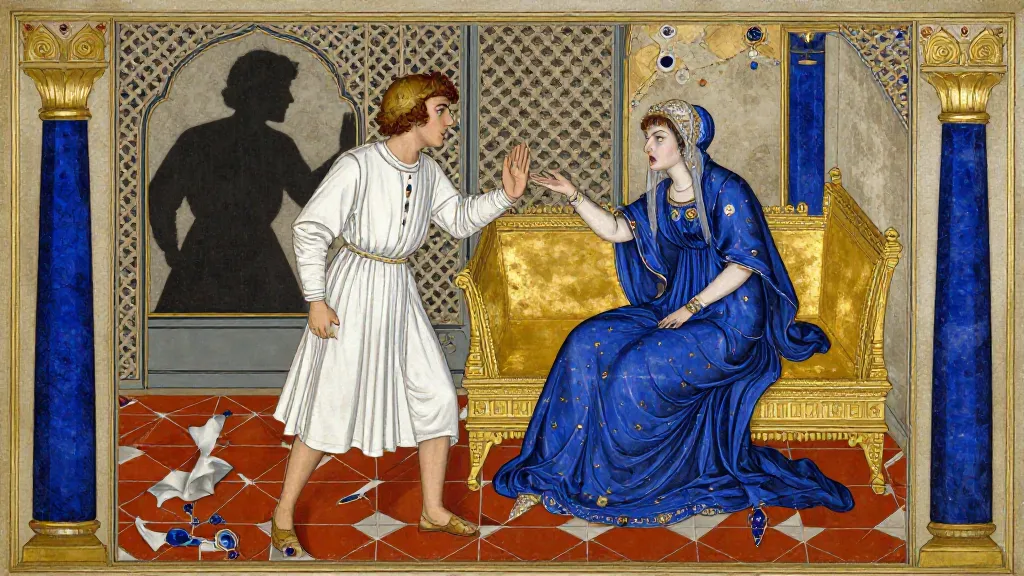
Sudabeh tears her own clothes, scratches her own face, and staggers before Kay Kavus with fabricated evidence of assault. The king investigates — smells both parties, finds Siavash clean and Sudabeh reeking of wine and perfume — and suppresses the result. He knows the truth and chooses not to act on it, because the political cost of punishing Sudabeh exceeds the moral cost of abandoning his son. This is not weakness in the ordinary sense; it is a rational calculation by a king who has correctly identified the constraints and drawn exactly the wrong conclusion from them.

View:

داستان مادر سیاوش

The Story of Siavash's Mother

چنین گفت موبد که یکروز طوس بدآنگه که خیزد خروش خروس خود وگیو وگودرز وچندان سوار برفتند شاد از در شهریار بنخچیر گوران بدشت دغوی ابا باز ویوزان نخچیر جوی بگشتند گرد لب جویبار گرازان وتازان زبهر شکار علفها چهل روزه را ساختند بدآنجایگه که ترک نزدیک بود زمینش زخرگاه تاریک بود یکی بیشه پیش اندر آمد زدور بنزدیک مرز سواران تور همیراند در بیشه با طوس گیو پس اندر همی چند مردان نیو بر آن بیشه رفتند هر دو سوار بگشتند چندی زبهر شکار به بیشه یکی خوبرخ یافتند پر از خنده لب هر دو بشتافتند بدیدار او در زمانه نبود زخوبی بروبر بهانه نبود ببالا چو سرو وبدیدار ماه نشایست کردن بدو در نگاه بدو گفت طوس ای فریبنده ماه ترا سوی این بیشه کی بود راه چنین داد پاسخ که مارا پدر بزد دوش وبگذاشتم بوم وبر شب دیر مست آمد از بزم سور همان چون مرا دید جوشان زودر یکی خنجر آبگون برکشید همیخواست از تن سرم را برید بپرسید ازو پهلوان از نژاد بدو یک بیک سر وبن کرد یاد بدو گفت من خویش گرسیوزم بشاه آفریدون کشد پروزم پیاده بدو گفت چون آمدی که بی باره ورهنمون آمدی بدو داد پاسخ که اسپم بماند زسستی مرا بر زمین بر نشاند بی انداز زر وگوهر داشتم بسر بر یکی تاج زر داشتم زمن روزبانان همی بستند نیام یکی تیغ بر من زدند بجستم من از بیم از پیش شان بدین بیشه ام خون بدیده فشان چو هشیار گردد پدر بی گمان سواران فرستد پس من دمان بیآید همان تازیان مادرم نخواهد کزین بودم وبر بگذرم دل پهلوانان بدو نرم گشت سر سوی نوذر پر آزرم گشت شه نوذری گفت من یافتم ازیرا چنین تیز بشتافتم بدو گیو گفت ای سپهدار شاه نه با من برابر بدی بی سپاه همان طوس نوذر بدآن بستهید کجا پیش اسپ من آنجا رسید بدو گفت گیو این سخن خود مگوی که من تاختم پیش نخچیر جوی زبهر پرستنده کژّی مگوی که نیستی جوانمرد فرخاشجوی سخن شان زتندی بجای رسید که آن ماهرا سر بباید برید میان شان همی داوری شد دراز میانجی بیآمد یکی سرفراز که اینرا بر شاه ایران برید بر آن کو نهد هر دو فرمان برید نکشتند هر دو زگفتار اوی بر شاه ایران نهادند روی چو کاؤس روی کنیزک بدید بخندید ولبرا بدندان گزید بهر دو سپهبد چنین گفت شاه که کوتاه شد بر شما رنج راه گوزنست اگر آهوی دلبرست شکار چنین در خور مهترست بدین داستان بگذرانیم روز که خورشید گیرند گردان بیوز بدو گفت خسرو نژاد تو چیست که چهرت بمانند چهر پریست بگفتا که از مام خاتونیم بدآن مرز خرگاه او پروزست بدو گفت کیت موی وروی ونژاد همی خواستی داد هر سه بباد بمشکوی زرّین کنم شایدت سر ماهرویان کنم بایدت چنین داد پاسخ چو دیدم ترا زگردنکشان بر گزیدم ترا ده اسپ گرانمایه با تاج وگاه بهر دو سپهبد فرستاد شاه بت اندر شبستان فرستاد شاه بفرمود تا بر نشیند بگاه نهادند زیر اندرش تخت عاج بسر بر ززر وزپیروزه تاج دگر ایزدی هرچه بایست بود یکی سرخ یاقوت بد نابسود

The priest told that one day Tus, at the hour when the rooster crows, rode out with Giv and Gudarz and many horsemen from the king's gate, hunting wild asses on the plain of Daghuy with hawks and cheetahs, riding along the riverbanks in search of game. They had provisioned themselves for forty days and had come to a place near the Turanian border, where the ground was dark with tent-camps.

A thicket appeared in the distance, close to the marches of the Turanian riders. Tus and Giv rode into it, with warriors following behind. In that thicket they found a beautiful woman. Both men hastened toward her, laughing. In all the world there was no one like her in beauty; she was tall as a cypress, fair as the moon, so radiant that one could not bear to gaze upon her.

Tus said: "O enchanting moon, how did you come to be in this thicket?" She answered: "My father struck me last night and I fled from home. He came late from a feast, drunk, and when he saw me he boiled with rage and drew a blue-gleaming dagger, meaning to sever my head. I am kin to Garsivaz, and my lineage traces to King Feridun. My horse gave out and left me on the ground. I had gold and jewels beyond measure and a golden crown upon my head, but the guards seized them from me. I fled in terror and came weeping to this thicket."

The hearts of the warriors softened toward her. Tus claimed he had found her first; Giv protested that he had been with Tus as an equal. Their quarrel grew fierce, until a mediator said: "Take her before the king of Iran, and accept whatever he decides." They ceased their dispute and rode to the court.

When Kay Kavus saw the woman's face, he smiled and bit his lip. He said to the two commanders: "The hardship of your road has been cut short. Whether she is a doe or a gazelle, such game is fitting for a king." He asked her lineage, and she told him she was of noble Turanian blood. The king said: "You who would have thrown away your beauty, your face, and your lineage to the wind — I shall make you worthy of the golden chamber and set you at the head of the beauties." She answered: "When I saw you, I chose you above all the mighty." Kavus sent ten fine horses with throne and crown to each of the two commanders, and placed the woman in the royal harem upon an ivory throne, with a crown of gold and turquoise upon her head.

Notes

1personطوسTus

Son of Nowzar, a commander of the Iranian army. He and Giv are among the chief paladins of Kay Kavus's court.

2personگیوGiv

Son of Gudarz, one of Iran's greatest warriors, father of the future hero Bizhan.

3personکاوسKay Kavus

Kay Kavus, king of Iran, Siavash's father. An impetuous and often reckless ruler whose passions drive much of the story's tragedy.

4personگرسیوزGarsivaz

Brother of Afrasiab, king of Turan. The woman claims kinship with him, tracing her lineage to the legendary King Feridun.

5context

The discovery of a beautiful Turanian woman near the border sets in motion the birth of Siavash. That she is of royal Turanian blood — kin to Iran's enemies — foreshadows the tragic pull between the two kingdoms that will define Siavash's life.

زادن سیاوش از مادر

The Birth of Siavash

بسی بر نیآمد برین روزگار که رنگ اندر آمد بخرّم بهار برو بر همیگشت گردان سپهر چو نه مه برآمد برآن خوب چهر بگفتند با شاه کاؤس کی که برخوردی از ماه فرخنده پی یکی بچّهٔ فرّخ آمد پدید کنون تخت بر ماه باید کشید جدا گشت ازو کودکی چون پری بچهره بسان بت آذری جهان گشت از آن خورد پر گفتگوی کز آنسان نبیند کس روی وموی جهاندار نامش سیاوخش کرد بدو چرخ گردنده را بخش کرد هر آن کز شمار سپهر بلند بدانست نیک وبد وچون وچند ستاره بدآن کودک آشفته بدید غمین گشت چون بخت او خفته دید بدید از بد ونیک آزار اوی بیزدان پناهید از کار اوی بگفتند زکار پسر شاه را نمودندن یکایک بدو راه را چنین تا برآمد برین روزگار تهمتن برآمد بر شهریار چنین گفت کین کودک شیروش مراورا بگیتی چو من دایه نیست چو دارندگان ترا مایه نیست مراورا بگیتی چو من دایه نیست بسی مهتر اندیشه کرد اندر آن نیآمد همی بر دلش آن گران برستم سپردش دل ودیده را جهانجوی پور پسندیده را نشستنگهی ساخت بر گلستان سواری وتیر وکمان وکمنر عنان ورکاب وچه وچون وچند همان باز وشاهین ویوز شکار زداد وزبیدار وتخت وکلاه سخن راندن وزکار سپاه بسی رنج برداشت که آمد ببر سیاوش چنان شد که اندر جهان بمانند او کس نبود از مهان چو یکچند بگذشت گشت او بلند سوی گردن شیر شد با کمند چنین گفت با رستم سرفراز که آمد بدیدار شاهم نیاز

Not long after, spring brought color to the world. Nine months passed over that fair-faced woman, and the turning heavens did their work. They told Kay Kavus: "Rejoice, O king of blessed fortune! A splendid child has appeared." A boy was born, beautiful as a spirit, his face like a fire-temple idol. The whole world buzzed with talk of him, for none had seen such beauty.

The lord of the world named him Siavash and assigned the turning heavens to watch over him. But those who understood the reckoning of the stars — the good and the bad, the how and how much — saw that the stars were hostile to this child. They grew sorrowful when they saw his fortune asleep. They perceived both the good and the harm that would come to him, and took refuge in God from the fate that awaited him. They told the king everything about his son's destiny, showing him the path ahead one by one.

Time passed, and Rostam came before the king. He said: "This lion-like child — in all the world there is no guardian for him like me." The king thought long upon it, and the weight of it did not sit heavy on his heart. He entrusted to Rostam the son who was the light of his eyes — that world-seeking, worthy prince.

Rostam prepared a place for him in the rose garden of Zabulestan. He taught him horsemanship and the bow, the rein and the stirrup, hawking and hunting with cheetah and falcon, justice and kingship, the throne and the crown, the art of speech and the conduct of armies. He bore great labor until it bore fruit. Siavash became such that in all the world none among the great was his equal.

When some time had passed and the boy grew tall — strong enough to throw a lasso around a lion's neck — he said to Rostam: "I long to see the king my father."

Notes

1personسیاوشSiavash

Siavash (سیاوش), prince of Iran, son of Kay Kavus. His name in Avestan (Syavarshan) means 'possessing black stallions.' He is the tragic hero of this cycle — a figure of perfect virtue destroyed by the machinations of others.

2context

The hostile stars at Siavash's birth establish the central irony of the story: his virtues will not save him but will lead him into destruction. This is a distinctly Zoroastrian-Persian notion of fate — the stars decree, and no merit can overturn them.

3personرستمRostam

Rostam, the greatest hero of Iran, son of Zal and champion of Zabulestan (Sistan). He becomes Siavash's foster-father and mentor, raising him in his own kingdom far from court intrigue.

4placeزابلستانZabulestan

Zabulestan (زابلستان), Rostam's homeland in southeastern Iran (modern Sistan). It is from here that Siavash receives his martial education.

بازآمدن سیاوش از زابلستان

Siavash Returns from Zabulestan

چو آمد بکاؤس شاه آگهی که آمد سیاوخش با فرّهی بفرمود تا با سپه گیو وطوس برفتند با شادی وبوق وکوس همه نامداران شدند انجمن بیک دست طوس ودگر پیلتند خرامان بر شهریار آمدند که با نو درختی ببر آمدند چو آمد بر کاخ کاؤس شاه خروش آمد وبرکشادند راه پرستار با مجیر وبوی خوش بشد پیش او دست کرده بکش بهر گنج در سهصد استاده بود میان در سیاوخش آزاده بود بسی زر وگوهر برافشاندند سراسر همی آفرین خواندند چو کاؤس را دید بر تخت عاج زیاقوت رخشنده بر سرش تاج نخست آفرین کرد وبردش نماز زمانی همی گفت با خاک راز وز آنپس بیآمد بر شهریار سپهبد گرفتش سر اندر کنار بر آن تخت فیروزه بنشاختش چنان از شکفتی برو بر بماند بسی آفرینها برو بر بخواند بدآن برز بالا وآن فرّ اوی بسی دیدنی در برّ اوی بدآن اندکی سال چندان خرد که گفتی روانش خرد پرورد بسی آفرین بر جهان آفرین بخواند وبمالید رخ بر زمین همی گفت که ای کردگار سپهر خداوند خوش وخداوند مهر همه نیکویها بگیتی زتست نیایش زفرزند گیرم نخست بزرگان ایران همه با نثار برفتند شادان بر شهریار زفرّ سیاوش فرو ماندند بر اورا بسی آفرین خواندند بفرمود تا پیشش آزادگان وگردان لشکر ببستند میان بباغ وبکاخ وبه ایوان اوی جهانی بشادی نهادند روی بهر جای چشنی بیآراستند می ورود ورامشگران خواستند یکی سور فرمود کاندر جهان کسی پیش ار آن خود نکرد از مهان بیکهفته بودند ازین گونه شاد بهشتم در گنجها برکشاد زهر چیز گنجی بفرمود شاه زمهر وزتیغ وزتخت وکلاه از اسپان تازی بزین پلنگ زدیبا واز بدرهای درم زدینار واز گوهر بیش وکم جز افسر که هنگام افسر نبود بدآن کودکی تاج در خور نبود سیاوخشرا داد بکردش نوید بخوبی بدادش فراوان امید چنین هفت سالش همی آزمود بهر کار جز پاک زاده نبود بهشتم بفرمود تا تاج زر همان طوق زرّین وزرّین کمر نبشتند منشور بر پرنیان برسم بزرگان وفرّ کیان زمین کورشان ورا داد شاه که بود از سزای بزرگی وگاه چنین خواندندش همی پیشتر که خوانی کنون ماوراء النّهر

When word reached Kay Kavus that Siavash was coming in glory, he commanded Giv and Tus to ride out with the army in joy, with trumpets and drums. All the nobles assembled. Siavash came striding before the king, and they made way for him with shouts of welcome. Servants bearing censers and sweet perfumes went before him with arms crossed in respect. Three hundred attendants stood at every treasury gate, and in their midst was the noble Siavash. Gold and jewels were scattered before him, and blessings were called down upon his head.

When Siavash saw Kavus seated upon the ivory throne with a crown of gleaming rubies upon his head, he first made his obeisance and bowed, pressing his face to the earth and whispering secrets to the dust. Then he came before the king, and the king took him in his arms and seated him on the turquoise throne beside him. Kavus was struck with wonder at the boy's tall stature, his royal splendor, and the depth of wisdom in one so young — as though his very soul had been nurtured on reason.

The king pressed his face to the ground and said: "O Creator of the heavens, Lord of joy and Lord of love — all good things in the world are from You. Let my first prayer of thanks be for this son." The great men of Iran came before the king with offerings, astonished by the glory of Siavash, calling down blessings upon him.

The king commanded a feast such as no great man had ever held in the world. For a week they celebrated in this fashion. On the eighth day the king opened the treasuries: swords, maces, thrones, crowns, Arabian horses with leopard-skin saddles, brocades, purses of silver, gold coins, and jewels in abundance — all except the royal diadem, for the time for a crown had not yet come, and a boy did not deserve the royal tiara.

For seven years the king tested Siavash, and in every matter the prince proved himself of pure birth. In the eighth year, the king commanded that a golden crown, a golden torque, and a golden belt be given to him. They wrote a charter on silk in the manner of the great ones with the glory of the Kayanids. The king gave him the province of Kurushan — what is now called Transoxiana — a realm worthy of his greatness.

Notes

1context

Siavash's return to court marks the transition from his idyllic upbringing under Rostam to the dangerous world of Kay Kavus's court, where Sudabeh awaits.

2placeکورشانKurushan

Kurushan, identified by Ferdowsi as what later became known as Transoxiana (ماوراء النهر, Mavarannahr) — the lands beyond the Oxus River, roughly modern Uzbekistan and Tajikistan.

3context

The Kayanid dynasty (کیان) refers to the mythical royal house of Iran to which Kay Kavus and Siavash belong. The charter written on silk follows the ceremonial traditions of this dynasty.

آمدن سیاوش به نزد سودابه

Siavash Comes Before Sudabeh

یکی مرد بد نام او هیربند زدوده دل ومغز وجانش زبد که بتخانه را هیچ نگذاشتی کلید در پرده او داشتی سپهدار ایران بفرزانه گفت که چون برکشد تیغ هو از نهفت تو پیش سیاوش همی رو بهوش مگر تا چه فرماید آنرا بکوش بسودابه فرمای تا پیش اوی نثار آرد وگوهر ومشک وبوی پرستندگان نیز با خواهران زبرجد فشانند با زعفران چو خورشید بر زد سر از کوهسار سیاوش بیآمد بر شهریار برو آفرین کرد وبردش نماز سخن گفت باوی سپهبد براز چو پردخته شد هیربد را بخواند سخنهای بایسته چندی براند سیاوخش را گفت با او برو بیآرای دلرا بدیدار نو برفتند یکجای هر دو بهم روان شادمان وتهی دل زغم چو برادشت پرده زدر هیربد سیاوش هی بود ترسان زبد شبستان همه پیش باز آمدند پر از شادی وبزم ساز آمدند همه خانه بود از کران تا کران پر از مشک ودینار وپر زعفران درم زیر پایش همی ریختند زمین بود در زیر دیبای چین پر از درّ خوشاب روی زمین می ورود وآواز رامشگران همه بر سران افسر از گوهران شبستان بهشتی بد آراسته پر از خوبرویان وپر خواسته سیاوش چو نزدیک ایوان رسید یکی تخت زرّین رخشنده دید بروبر زپیروزه کرده نگار برآن تخت سودابهٔ ماهروی بسان بهشتی پر از رنگ وبوی نشسته چو تابان سهیل یمن سر زلف وجعدش شکن بر شکن یکی تاج بر سر نهاده بلند فروهشته تا پای مشکین کمند پرستار نعلین زرّین بدست بپای ایستاده سر افگند پست سیاوش چو از پیش پرده برفت فرود آمد از تخت سودابه تفت بیآمد خرامان وبردش نماز ببر در گرفتش زمانی دراز همی چشم ورویش ببوسید دیر نیآمد زدیدار نو شاه سیر همی گفت صد ره زیزدان سپاس نیایش کنم روز ودر شب سه پاس که کسرا بسان تو فرزند نیست همان شاه را نیز پیوند نیست سیاوش بدانست کآن مهر چیست چنان دوستی نه از ره ایزدیست بنزدیک خواهر خرامید زود که آنجایگه کار ناساز بود

There was a man called Hirbad, a temple-keeper whose heart and mind were washed clean of evil. He held the keys to the curtained chambers and left nothing of the sanctuary unguarded. The king of Iran said to this wise man: "When the sun draws its sword from behind the horizon, go attentively before Siavash and do whatever he commands. Tell Sudabeh to bring offerings before him — jewels, musk, and perfume — and let the attendants and the princesses scatter emeralds and saffron."

At dawn Siavash came before the king, made his obeisance, and spoke with him in private. When they had finished, the king summoned the Hirbad and said what was needed. He told Siavash: "Go with him and delight your heart with a new sight."

The two went together, their spirits glad and their hearts free of care. But when the Hirbad raised the curtain at the door, Siavash was already fearful of what lay within. The women of the harem all came forth to greet him, full of joy and festive preparations. The entire hall from end to end was filled with musk, gold coins, and saffron. Silver was scattered beneath his feet, the floor covered with Chinese brocade, and the ground strewn with lustrous pearls. There was wine and music and the sound of minstrels; all the women wore jeweled tiaras.

When Siavash approached the palace, he saw a gleaming golden throne inlaid with turquoise. Upon that throne sat Sudabeh the moon-faced, like a paradise of color and fragrance, shining like the star Canopus over Yemen. Her curling dark locks fell in waves, a tall crown upon her head, her musky tresses hanging to her feet. A servant stood at attention holding her golden slippers.

The moment Siavash passed through the curtain, Sudabeh came swiftly down from her throne. She approached him gracefully, bowed before him, and held him in her embrace for a long while, kissing his eyes and face again and again, never tiring of the sight of him. She said a hundred times: "Thanks be to God! I pray day and night, three watches each night, that no one in the world has a son like you, nor does the king have any bond so precious."

Siavash understood what that affection truly was — that such love was not from a godly path. He moved quickly toward his sisters, for in that place things were dangerously wrong.

Notes

1personسودابهSudabeh

Sudabeh (سودابه), wife of Kay Kavus and queen of Iran. She is originally from Hamaveran (Yemen/Arabia). Her obsessive desire for Siavash makes her the Persian equivalent of Potiphar's wife (Biblical) or Phaedra (Greek).

2translation

'Siavash understood what that affection truly was — that such love was not from a godly path' renders the Persian بدانست کآن مهر چیست / چنان دوستی نه از ره ایزدیست. Siavash instantly perceives the carnal nature of Sudabeh's embrace.

3context

The Hirbad (هیربد) is a Zoroastrian temple-keeper who serves as guardian of the harem. His presence as escort underscores the sanctity of the inner quarters that Sudabeh is about to violate.

4context

The scene of Sudabeh's first meeting with Siavash is loaded with sensory detail — musk, saffron, pearls, music — creating a seductive atmosphere that contrasts with Siavash's instinctive recoil. His immediate retreat to his sisters signals his moral awareness.

عاشق شدن سودابه بر سیاوش

Sudabeh Falls in Love with Siavash

برآمد برین نیز یک روزگار بدو شادمان شد دل شهریار یکی روز کاؤس کی با پسر نشسته که سودابه آمد بدر بناگاه روی سیاوش بدید پر اندیشه گشت ودلش بر دمید چنان شد که گفتی طراز نخ است وگر پیش آتش نهاده یخ است کسی را فرستاد نزدیک اوی که پنهان سیاوخش را روی بگوی که اندر شبستان شاه جهان نباشد شکفت ار شوی ناگهان فرستاده رفت وپیامش بداد برآشفت از آن کار آن نیکزاد بدو گفت مرد شبستان نیم مجویم که با بند ودستان نیم دگر روز شبگیر سودابه رفت بر شاه ایران خرامید تفت بدو گفت که ای شهریار سپاه که چون تو ندیدست خورشید وماه نه اندر زمین کس چو فرزند تو جهان شاد بادا بپیوند تو فرستش بسوی شبستان خویش بر خواهران وفغستان خویش بگویش که اندر شبستان برو بر خواهرانت زمان نو بشنو همی روی پوشیدگانرا زمهر پر از خون دلست پر از آب چهر نمازش بریم ونثار آوریم درخت پرستش ببار آوریم بدو گفت شاه این سخن در خورست بدو مر ترا مهر صد مادرست

Another span of days passed, and the king's heart was glad in his son. One day Kay Kavus was sitting with Siavash when Sudabeh came to the door. She caught an unexpected glimpse of Siavash's face, and her mind filled with longing and her heart caught fire. She became like embroidered thread unraveling, or like ice placed before a flame.

She sent a messenger to Siavash in secret, saying: "It would not be strange if you were to come suddenly into the king's harem." The messenger went and delivered her words, but that noble-born youth flared with anger. He said: "I am not a man of the harem. Do not seek me there, for I have no part in traps and schemes."

The next morning at dawn, Sudabeh went before the king of Iran. She said: "O commander of armies, whom neither sun nor moon has seen the equal of — there is no one on earth like your son. May the world rejoice in your line. Send him to the harem, to his sisters and your household. Tell him to go to the inner chambers and hear the latest news from his sisters. The faces of the secluded women are full of blood-tears from longing and love for him. We would bow before him and scatter offerings; we would bring the tree of devotion to fruit."

The king said: "This is fitting. Your love for him is a hundred mothers' love." He summoned Siavash and said: "The bond of blood and affection cannot be concealed. God created you such that everyone who sees you feels love for you. Behind my curtain you have sisters, and Sudabeh is like a loving mother to you. Go, look upon the secluded ones, and stay a while so that they may call down blessings."

Siavash heard the king's words and stared at him in bewilderment. He thought for a time, trying to wash the dust of suspicion from his heart. He suspected his father was testing him, for Siavash was perceptive and sharp-tongued, clear-eyed and suspicious. He said to himself: "This is evil. This talk comes from Sudabeh. If I go into her quarters, I will hear much from Sudabeh that I should not." But he answered the king: "The king has given me command, throne, and crown. I am your servant and will bow to your will."

Notes

1translation

'Like embroidered thread unraveling, or like ice placed before a flame' — two Persian similes for Sudabeh's dissolution at the sight of Siavash. The first image (طراز نخ) suggests her composure unspooling; the second (یخ پیش آتش) her helpless melting.

2context

Sudabeh's strategy is to use the king himself as her instrument, manipulating his paternal affection to gain access to Siavash. The harem visit is engineered as an apparently innocent family occasion.

3context

Siavash's dilemma is already clear: he suspects the trap but cannot disobey his father. This tension between filial duty and moral self-preservation will define his tragedy throughout the story.

رفتن سیاوش بار دوم به شبستان

Siavash Goes to the Harem a Second Time

بدین داستان نیز یکشب گذشت سپهر از بر خاک تیره بگشت نشست از بر تخت سودابه شاد زیاقوت وزر افسری بر نهاد همه دخترانرا بر خویش خواند بیآراست وبر تخت زرّین نشاند بپیشش بتان نو آئین بپای تو گفتی بهشتست نه کاخ سرای چنین گفت با هیربد ماهروی کز ایدر برو با سیاوش بگوی که باید که رنجه کنی پای خویش نمائی مرا سر وبالای خویش بیآمد دمان هیربد نزد شاه بدو داد پیغام آن نیکخواه چو بشنید پیغام خیره بماند جهان آفرینرا فراوان بخواند بسی چاره بست ندید اندر آن همی بود پیچان ولرزان برآن خرامان بیآمد سیاوش برش بدید آن نشست وسر وافسرش فرود آمد از تخت وشد پیش اوی بگوهر بیآراسته روی وموی سیاوش بر تخت زرّین نشست بپیشش بکش کرده سودابه دست بتانرا بشاه نو آئین نمود که بودند چو گوهر نابسود بدو گفت بنگر برین تختگاه پرستنده چندید بزرّین کلاه همه نارسیده بتان طراز که بسرشت شان ایزد از شرم وناز کسی کش خوش آید ازیشان بگوی نگه کن بدیدار وبالای اوی سیاوش چو چشم اندکی برگماشت ازیشان یکی چشم رو بر نداشت همی این بدآن آن بدین گفت ماه نیارد بدین شاه کردن نگاه برفتند هریک سوی تخت خویش یکایک شمارنده بر بخت خویش چو ایشان برفتند سودابه گفت که چندین چه داری سخن در نهفت نگوئی مرا تا مراد تو چیست که بر چهر تو فرّ چهر پریست هرآنکس که از دور بیند ترا شود بیهش وبرگزیند ترا ازین خوبرویان بچشم خرد نگه کن که با تو که اندر خورد

Another night passed and the heavens turned over the dark earth. Sudabeh sat upon her throne in gladness, a crown of rubies and gold upon her head. She summoned all the princesses, adorned them, and seated them upon golden thrones. Idol-like beauties stood before her in new finery — you would have said it was paradise, not a palace hall.

The moon-faced queen told the Hirbad: "Go and tell Siavash that he should trouble his feet to come and show me his face and stature." The Hirbad came rushing to the king and delivered the message. When Siavash heard it, he was struck dumb. He called upon God many times, sought every escape, and found none. He was twisting and trembling with dread.

Siavash came walking in and saw Sudabeh's arrangements — the throne, the crown, the splendor. She came down from her throne and stood before him, her face and hair adorned with jewels. Siavash sat on the golden throne, and Sudabeh stood before him with arms crossed in deference. She presented the princesses to the young king — each like an uncut gem — and said: "Look upon this court, these attendants in golden tiaras, these delicate beauties whom God fashioned from modesty and grace. If any of them pleases you, tell me. Look at her face and her stature."

Siavash barely glanced at them, and not one of them raised her eyes to look at him. They whispered to each other: "This moon does not dare to look upon even the king." Each one withdrew to her own throne, counting her fortune.

When they had gone, Sudabeh said: "How long will you keep your desire hidden? Tell me what you want. The glory of a spirit shines on your face. Whoever sees you from afar loses her senses and chooses you above all others. Look with the eye of wisdom at these beauties and tell me which one is worthy of you."

Siavash was silent and gave no answer. He thought to himself: "I will bring ruin upon myself if I recklessly take a wife from among my enemies." He had heard from the great men of old what Sudabeh had done to the king, how she had raised dust among the champions of Iran, how she was full of tricks — the daughter of the king of Hamaveran who desired nothing good for the royal house.

When Siavash did not open his lips, the spirit-faced beauty lifted the veil from her face. She said: "If the sun should see the new moon upon the throne, it would be no wonder if the moon were humbled — for you hold the sun itself in your embrace. One who has seen me on my ivory throne, with my crown of rubies and turquoise, would not wonder that she does not glance at the moon, for none can be compared to me in beauty. If you now make a pact with me and do not turn away — I have an unwed daughter whom I will make your servant. Swear an oath to me and do not swerve from my words: when the king departs this world, you will remember me. You will not allow harm to come to me, but will hold me dear as your own soul. Here I stand before you. I have given you my body and my radiant soul."

She seized his cheeks and planted a kiss. Siavash's face flushed red as a rose with shame, and his lashes glistened with hot tears. He said within himself: "May the Lord of Saturn keep me far from the works of demons. I will not betray my father, nor will I make a friend of the Evil Spirit."

But he thought: "If I speak coldly to this brazen-eyed woman, she will seek vengeance. She will work some sorcery in secret, and the king of the world will believe her. Better that I speak warmly and with soft, soothing words." So Siavash said to Sudabeh: "In all the world there is no one like you. You are like the moon in beauty, and you deserve no one less than the king. Your daughter is enough for me — I need no one else. Hold to this, and speak of it with the king. I will ask for her and make my pledge, and my tongue will be your hostage. Until she grows to match my stature, my heart will turn to no one else."

He rose and departed from her presence, his soul full of love for his scheming enemy.

Notes

1context

Sudabeh's escalating seduction follows a careful structure: first the display of princesses (offering legitimate marriage), then the unveiling of herself (the real proposition), then threats (the next visit). Siavash's strategy of diplomatic evasion delays the crisis but cannot prevent it.

2placeهاماورانHamaveran

Hamaveran (هاماوران), identified with Yemen or southern Arabia. Sudabeh is the daughter of the king of Hamaveran, who once captured Kay Kavus. Her foreign origin marks her as an outsider in the Iranian court.

3translation

'May the Lord of Saturn keep me far from the works of demons' — Saturn (کیوان, Keyvan) is the highest planet in Persian cosmology, associated with wisdom and divine protection. Siavash invokes cosmic protection against Sudabeh's temptation.

رفتن سیاوش بار سوم به شبستان

Siavash Goes to the Harem a Third Time

نشست از بر تخت با گوشوار بسر بر نهاد افسری زر نگار سیاوخش را در بر خویش بخواند زهر گونه با او سخنها براند بدو گفت کنجی بیآراست شاه کزآنسان ندیدست کسی تاج وگاه زهر چیز چندانکه اندازه نیست اگر بر نهی پیل باید دویست بتو داد خواهم همی دخترم نگه کن بروی و وسر افسرم بهانه چه داری تو از مهر من چه پیچی زبالا واز چهر من که تا من ترا دیده ام مرده ام خروشان وجوشان وآزرده ام همی روز روشن نبینم زدرد برآنم که خورشید شد لاجورد کنون هفت سالست تا مهر من همی خون چکاند برین چهر من یکی شاد کن در نهانی مرا ببخشای روز جوانی مرا قزون زآن که دادت جهاندار شاه بیآرایمت یاده وتاج وگاه وگر سر بپیچی زفرمان من نیآید دلت سوی درمان من کنم بر تو این پادشاهی تباه شود تیره بر روی تو هور وماه سیاوش بدو گفت هرگز مباد که از بهر دل من دهم سر بباد چنین با پدر بی وفائی کنم زمردی ودانش جدائی کنم تو بانوی شاهی وخورشید گاه یزد کز تو آید بدینسان گناه از آن تخت برخاست با خشم وجنگ بدو اندر آویخت سودابه چنگ بدو گفت من راز دل پیش تو بگفتم نهانی بد اندیش تو مرا خیره خواهی که رسوا کنی به پیش خردمند رعنا کنی

Sudabeh sat upon her throne wearing earrings, a gold-wrought crown upon her head. She summoned Siavash close and spoke to him at length. She said: "The king has prepared a treasury the like of which no one has seen — beyond all measure, enough to load two hundred elephants. I will give you my daughter. Look upon my face and my crown.

"What excuse do you have to refuse my love? Why do you turn from my stature and my beauty? Since the day I first saw you, I have been dying — crying out, burning, tormented. I cannot see the bright day for grief; I think the sun itself has turned to ashes. For seven years my love has dripped blood upon this face of mine. Gladden me once in secret. Have pity on my years of youth. Beyond what the king has given you, I will adorn you further with throne and crown and riches.

"But if you turn your head from my command, if your heart will not incline to my cure — I will bring ruin upon your kingdom. The sun and moon will go dark upon your face."

Siavash said to her: "God forbid that I should lose my head for the sake of desire. I will not betray my father, nor divorce myself from manhood and wisdom. You are the queen and the sun of the throne. God forbid that such sin should come from you."

He rose from that throne in anger. Sudabeh seized him with her claws and said: "I laid bare the secret of my heart before you, and in hidden you think only evil of me. You wish to disgrace me, to make me a fool before the wise."

She tore her own clothes, scratched her own face, and raised such a shriek from the harem that it reached the king's ears. She dragged herself before Kay Kavus — face scratched, hair torn, clothes ripped — and wailed: "Siavash came to my throne and seized me with force, saying 'I desire you above all others, you alone I want.' He tore the crown from my musk-dark hair. Look how my garments are torn."

The king was filled with dark thought. He said to himself: "If she speaks truth and seeks no ugliness in this, then Siavash's head must be cut off." But he called both before him in private. He said to Siavash: "This secret must not be hidden from me. Tell me how things passed between you." Siavash told him everything that had happened — everything Sudabeh had done in her frenzy.

Sudabeh countered: "This is not true. He desired nothing but my body." The king was troubled. He smelled Siavash's hands, face, and body — there was no scent of wine or musk or rosewater upon him, no trace of an embrace. From Sudabeh he smelled wine, musk, and rosewater. The king was downcast and treated Sudabeh with contempt, filling his heart with revulsion toward her. He thought: "She should be cut to pieces with a sharp sword." But then he remembered Hamaveran and the turmoil that would arise, and how she had served him during his captivity and never left his side.

He said to Siavash: "Think no more of this grief. Keep your wits about you and speak of this to no one, lest the tale take on color and scent."

Notes

1context

Sudabeh's third attempt abandons all pretense. She confesses her seven-year obsession openly, then issues threats, and finally — when rejected — stages a false accusation. The scene is a close parallel to the Biblical story of Joseph and Potiphar's wife (Genesis 39) and the Greek myth of Phaedra and Hippolytus.

2context

Kay Kavus's 'smell test' — checking both Siavash and Sudabeh for traces of physical contact — is a shrewd forensic move that reveals the truth. But despite knowing Siavash is innocent, he cannot act against Sudabeh for political and emotional reasons: she is from Hamaveran, she bore his captivity loyally, she has given him children, and he loves her.

3translation

'Sudabeh seized him with her claws' (بدو اندر آویخت سودابه چنگ) — the word چنگ means both 'claw' and 'grasp.' The predatory image is deliberate.

4context

Kay Kavus's decision to suppress the incident rather than punish either party sets the stage for Sudabeh's next escalation — the plot with the sorceress and the ordeal by fire.

Edition & Source

Author
فردوسی (Ferdowsi, c. 977–1010 CE)
Edition
شاهنامه — تصحیح ژول مل (Jules Mohl critical edition)