Qi Qí
稷下學派 EclecticismBy Augustin Chan with AI · Published January 2025 · Updated March 2026
Character 性格
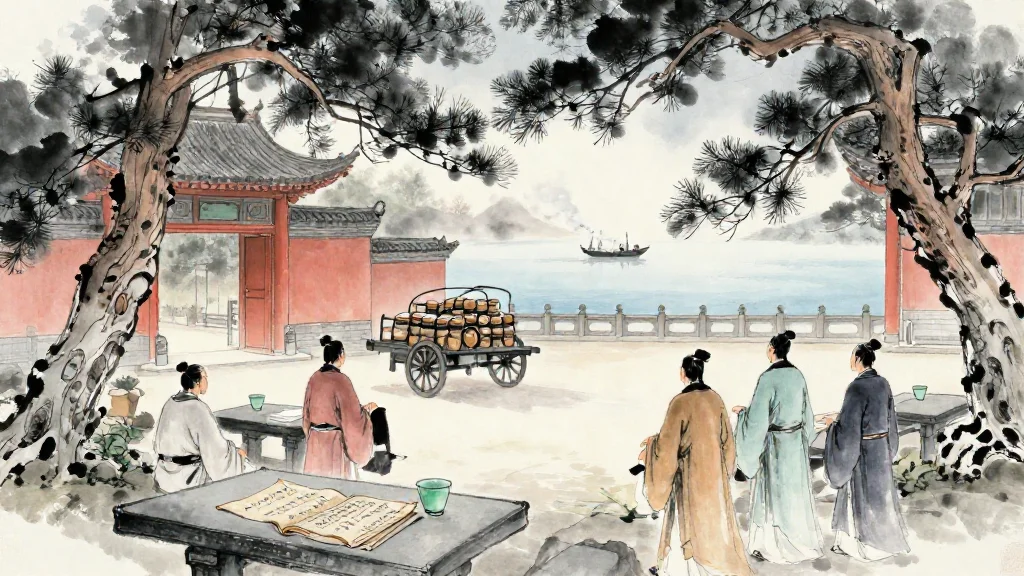
Intellectual powerhouse, economic giant, diplomatic heavyweight. Qi's Jixia Academy attracted thinkers from every school. Wealthiest state through salt and fish monopolies. Capable of brilliant diplomacy but prone to complacency after periods of success.
Historical Overview 歷史
Qi occupied the Shandong peninsula, commanding the richest agricultural and maritime resources of any Warring States power. Under the Tian clan (who replaced the original Jiang ruling house c. 386 BC), Qi became the intellectual capital of the Chinese world — the Jixia Academy hosted Mencius, Xunzi, Zou Yan, and dozens of other thinkers. Qi's wealth derived from Guan Zhong's ancient salt-and-iron monopoly system, giving it economic leverage unmatched by any rival. King Wei and King Xuan made Qi the dominant eastern power, defeating Wei at Maling (341 BC) and briefly rivaling Qin. But King Min's overreach — conquering Song and provoking a five-state coalition — led to Yan's devastating invasion under Yue Yi (284 BC), nearly destroying Qi. Though Tian Dan's brilliant counterattack restored the state, Qi never regained its former power and fell to Qin without a fight in 221 BC.
Strengths & Weaknesses 長短
Strengths
- +Wealthiest state through salt and fish monopolies
- +Jixia Academy: intellectual capital of the Chinese world
- +Strong diplomatic tradition and alliance-building
- +Defensible peninsula geography
Weaknesses
- -Prone to complacency after victories
- -Never fully recovered from Yan's invasion (284 BC)
- -Late-period isolationism under King Jian
- -Economic power did not translate to military dominance